

RedCrocus White Cranberry 'Blushing Moon' Live Plant – Vaccinium macrocarpon, Rare White Berries, Edible Groundcover for Acid Soil, Hardy Zones 3-7, Container Friendly 4" Pot (Pack of 5)
RedCrocus White Cranberry 'Blushing Moon' Live Plant – Vaccinium macrocarpon, Rare White Berries, Edible Groundcover for Acid Soil, Hardy Zones 3-7, Container Friendly 4" Pot (Pack of 5)
Regular price
$170.00 USD
Regular price
$221.00 USD
Sale price
$170.00 USD
Unit price
per
Shipping calculated at checkout.
SKU:ber5b92-redcrocus
Couldn't load pickup availability
Cranberry- Blushing Moon White Berries
Description
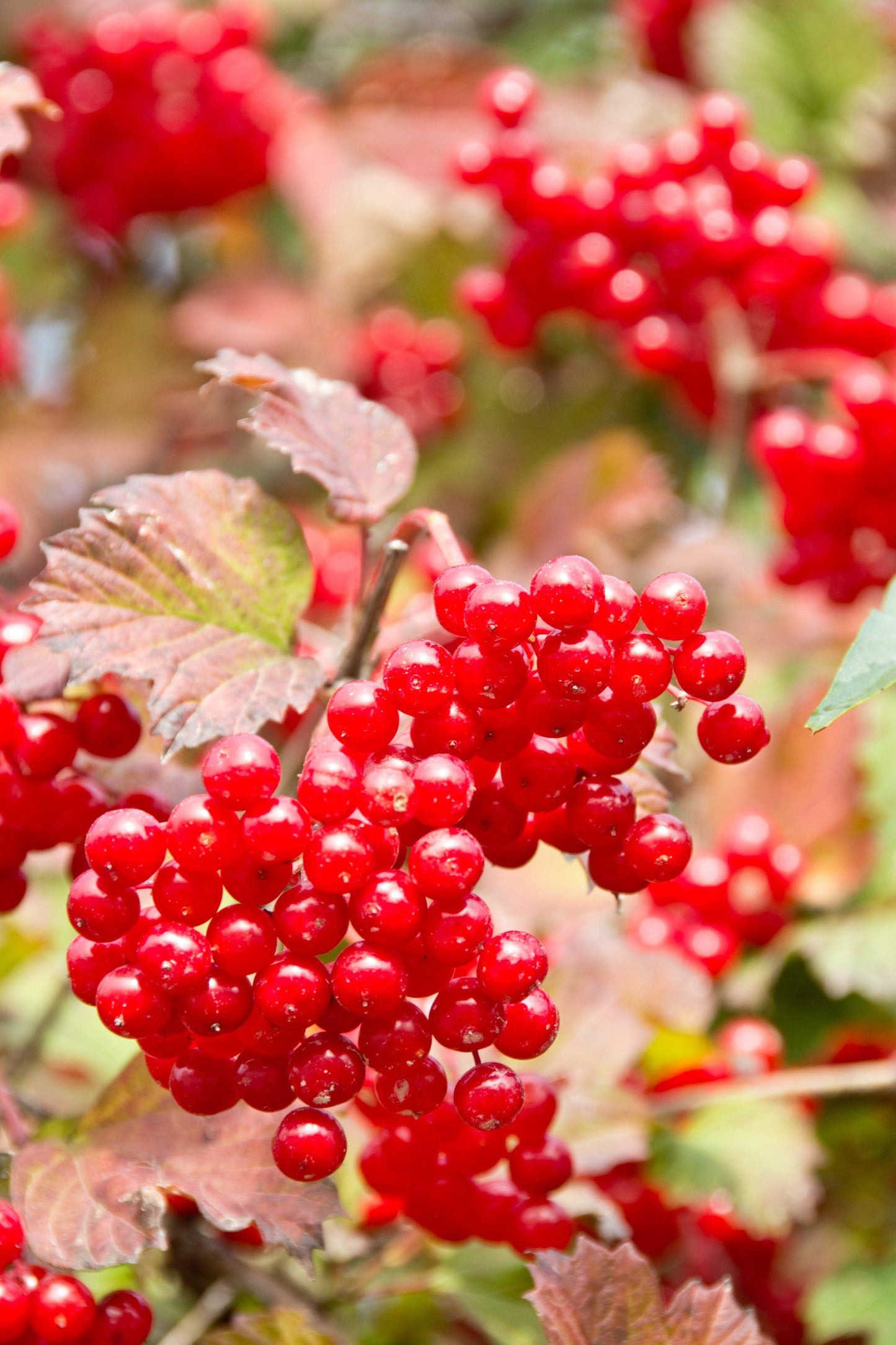
A compact, low, creeping cranberry selected for creamy white to blush-pink fruit. Nodding pink flowers appear in late spring on wiry runners above glossy, fine-textured foliage that bronzes red in cold weather. Fruits are milder and less astringent than typical red cranberries, excellent for sauces, baking, and ornamental winter displays.
Suggested Uses
Edible groundcover, bog or rain gardens, edges of ponds, raised beds, wide shallow containers, alongside other acid-loving plants, culinary harvest, and decorative holiday sprigs with berries.
Plant Details
-
 Botanical Name: Vaccinium macrocarpon (white-fruiting selection)
 -
 Common Name: White Cranberry, ‘Blushing Moon’
 -
 Size & Growth: 4–8 in. tall; spreads 18–36 in. via runners; forms a dense, matting groundcover.
 -
 Hardiness Zones: USDA 3–7 (requires winter chill for best fruit set)
 -
 Foliage Type: Evergreen to semi-evergreen; small, leathery leaves turning bronze-red in fall/winter
 -
 Bloom Time: Late spring to early summer; fruit ripens late summer to fall
 -
 Growth Rate: Slow to moderate; faster once established and runners root in
 -
 Light Requirements: Full sun for best yields; tolerates light afternoon shade in hot summers
 -
 Attracts Pollinators: Yes—visited by bees and native bumblebees during bloom
 -
 Indoor Friendly: Not suitable as a houseplant; needs cold winters and abundant light
 -
 Container Friendly: Yes—thrives in wide, shallow, acidic containers with consistent moisture
 -
 Deer Resistant: Generally deer-resistant; occasional browsing possible on tender growth
 -
 Pet Warning: Non-toxic to dogs and cats; fruit is safe in moderation (excess may upset stomach)
 -
 Fragrant: Flowers are not notably fragrant
 -
 Cut Flower: Not typical; berry-laden sprigs are useful for seasonal crafts/arrangements
 -
 Grows Well With: Blueberries, lingonberry, heathers, dwarf conifers, sedges, bog rosemary
Care Tips
-
 Planting Instructions: Plant in spring or early fall. Space 12–18 in. apart; set the crown level with the soil surface and spread runners across the top. Water deeply to settle, and mulch with pine needles or shredded bark.
 -
 Soil Moisture: Keep consistently moist to wet—never allow to dry out; ideal for rain or bog-style beds with good oxygenation
 -
 Soil Type: Acidic (pH 4.0–5.5) peat-based mix with sharp drainage; e.g., 2 parts peat moss to 1 part coarse sand/perlite; avoid lime
 -
 Humidity: Prefers moderate to high humidity; shelter from hot, drying winds in summer
 -
 Pruning Instructions: After harvest or in late winter, lightly shear to contain spread and encourage upright fruiting shoots; remove dead/diseased stems promptly
 -
 Winter Care: Very cold-hardy; in exposed sites or containers, mulch 2–3 in. with pine needles/straw. Container plants overwinter best in an unheated garage/shed where roots don’t freeze solid; keep slightly moist
 -
 Planting Depth: Plant with the root ball flush to the surface and the crown at soil level; do not bury stems or crown
 -
 Fertilization: Light feeder—apply an acid-forming fertilizer (azalea/rhododendron) at half strength in spring after new growth; avoid high nitrogen and midsummer feeding
 -
 Special Care: Use rainwater if tap water is alkaline; monitor for leaf yellowing (pH too high). Self-fertile but better crops with strong bee activity. Net plants from birds as berries color. Excellent in wide, shallow containers with regular watering.