

RedCrocus Dwarf Norway Spruce 'Clanbrassiliana' Live Plant – Picea abies Evergreen Conifer for Rock Gardens, Borders & Containers 3 Gallon Nursery Pot
RedCrocus Dwarf Norway Spruce 'Clanbrassiliana' Live Plant – Picea abies Evergreen Conifer for Rock Gardens, Borders & Containers 3 Gallon Nursery Pot
Regular price
$340.00 USD
Regular price
$442.00 USD
Sale price
$340.00 USD
Unit price
per
Shipping calculated at checkout.
SKU:ber58db-redcrocus
Couldn't load pickup availability
Picea Clanbrassilian
Compact, slow-growing spruce with dense evergreen needles and refined structure
Evergreen Conifer
Dwarf Habit
Cold Hardy
Low Maintenance
Description
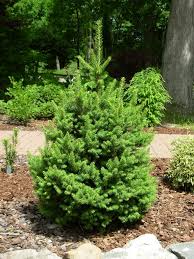
Picea Clanbrassilian is a distinctive dwarf spruce valued for its compact, bun-like to irregular mounded habit and densely set, short needles. The foliage is a rich, glossy green that provides year-round color and crisp structure in the landscape. Growth is slow and refined, making it an excellent choice for small gardens, rock gardens, foundation plantings, and conifer collections. With age, plants develop a subtly layered form; occasional vigorous shoots may appear and can be trimmed to maintain symmetry. Extremely cold-hardy and wind-tolerant once established, this spruce thrives in well-drained soils and bright light, delivering dependable texture and form with minimal care.
Suggested Uses
- Rock & alpine gardens
- Foundation & front-entry accents
- Large containers & troughs (outdoor)
- Mixed conifer/shrub borders
- Japanese & minimalist gardens
- Low mounds on slopes
- Year-round structure & winter interest
Plant Details

Botanical Name
Picea Clanbrassilian

Common Name
Picea Clanbrassilian (dwarf Norway spruce type)

Size & Growth
Slow-growing, typically 3–6 ft tall and wide in 10 years; long-term maturity 6–10 ft with an irregular, mounded to bun-like habit.

Hardiness Zones
USDA Zones 3–7 (very cold tolerant once established).

Foliage Type
Evergreen needles; short, dense, rich green year-round.

Bloom Time
Non-flowering; conifer cones form with pollen release in spring (ornamental value minimal).

Growth Rate
Slow; typically 2–4 in (5–10 cm) per year under average conditions.

Light Requirements
Full sun to light shade; best density in full sun. Provide light afternoon shade in hotter summer regions (Zone 7).

Attracts Pollinators
Not specifically; wind-pollinated conifer (minimal attraction for bees/butterflies).

Indoor Friendly
No; performs best outdoors year-round. Not suitable as a long-term houseplant.

Container Friendly
Yes, especially when young; use a large, well-drained container outdoors and upsize gradually every 3–4 years.

Deer Resistant
Generally deer resistant; not deer-proof (young growth may be sampled under pressure).

Pet Warning
Non-toxic, but ingestion of needles may cause mild gastrointestinal upset; resinous sap can irritate skin—keep prunings away from pets.

Fragrant
Not notably fragrant; needles are resin-scented when crushed.

Cut Flower
Not a cut-flower plant; small boughs can be clipped for winter arrangements sparingly.

Grows Well With
Other dwarf conifers (Pinus mugo, Juniperus, Chamaecyparis), heaths/heathers (Erica, Calluna), sedums, thyme, Heuchera, ornamental grasses in well-drained sites.
Note: Sizes and growth vary with climate, soil, and cultural care; values above reflect typical performance for dwarf Norway spruce types.
Care Tips

Planting Instructions
Plant in spring or early fall. Dig a hole 2× the width of the root ball and of equal depth. Set with the root flare level to slightly above grade. Backfill with native soil; water to settle and mulch 2–3 inches, keeping mulch off the trunk.

Soil Moisture
Keep evenly moist the first year; avoid soggy conditions. Once established, moderately drought-tolerant but benefits from deep, occasional watering in dry spells.

Soil Type
Well-drained loam or sandy loam; slightly acidic to neutral pH (≈5.5–7.0). Poor drainage is the most common cause of decline—elevate beds if needed.

Humidity
Adaptable; prefers average outdoor humidity with good air circulation. Avoid cramped, stagnant, high-heat microclimates near walls or pavement.

Pruning Instructions
Minimal pruning. Remove dead or wayward shoots in late winter. If vigorous reversion shoots appear, reduce back to maintain dwarf form. Avoid cutting into old, bare wood.

Winter Care
Very hardy. Ensure fall deep-watering before ground freeze. Maintain mulch to buffer roots and reduce freeze–thaw. In exposed sites, a wind break the first winter can prevent desiccation.

Planting Depth
Set the crown/root flare at or 0.5–1 in above the surrounding soil. Do not bury the trunk; avoid piling mulch against bark.

Fertilization
Light feeder. In early spring, apply a slow-release, balanced or conifer-formula fertilizer at label rates, or top-dress with compost. Avoid excessive nitrogen to maintain compact growth.

Special Care
Monitor for spruce spider mites in hot, dry weather (tap test over white paper). Promote airflow; water at the base to keep needles dry. For containers, use a free-draining conifer mix and ensure robust drainage; repot every 3–4 years.