

RedCrocus Sanseveria Robusta Indoor Plant- Evergreen Stiff Leaves, Pet Friendly, Low Maintenance, Office & Home Dcor 4" Pot (Pack of 2)
RedCrocus Sanseveria Robusta Indoor Plant- Evergreen Stiff Leaves, Pet Friendly, Low Maintenance, Office & Home Dcor 4" Pot (Pack of 2)
Regular price
$40.00 USD
Regular price
$52.00 USD
Sale price
$40.00 USD
Unit price
per
Shipping calculated at checkout.
SKU:ber57f3-redcrocus
Couldn't load pickup availability
Sanseveria Robusta
Description
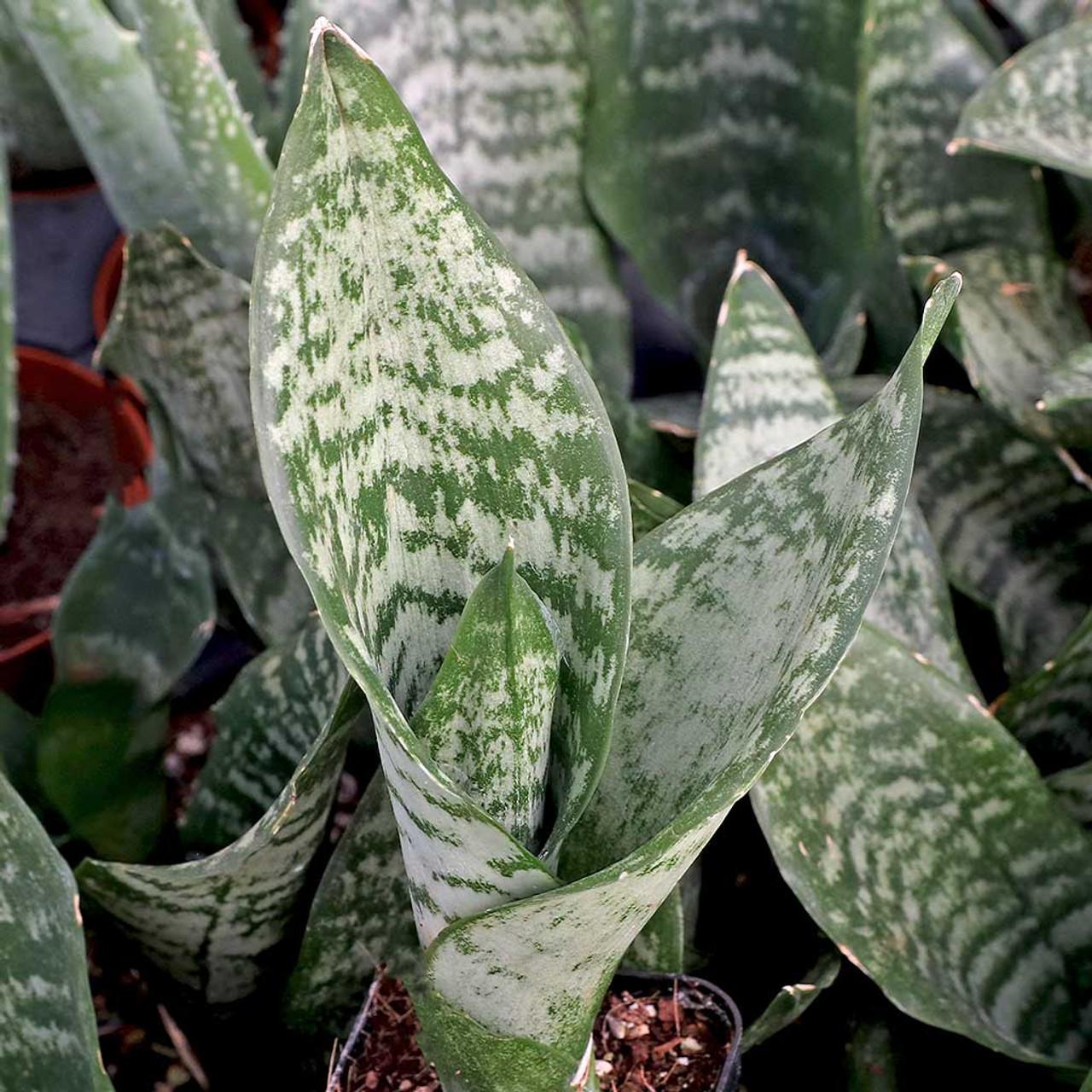
Sanseveria Robusta, also known as the Robust Snake Plant, features stiff, upright leaves with striking green and yellow variegation. It is an easy-care indoor plant that adds architectural interest to any space.
Suggested Uses
Ideal for indoor décor, office spaces, and low-maintenance gardens. Perfect for beginner gardeners and those seeking a resilient, stylish plant.
Plant Details
-
 Botanical Name: Sanseveria Robusta
 -
 Common Name: Sanseveria
 -
 Size & Growth: Up to 3 feet tall with clumping, upright leaves
 -
 Hardiness Zones: 9-11
 -
 Foliage Type: Evergreen stiff leaves
 -
 Bloom Time: Rarely flowers indoors; outdoors in summer
 -
 Growth Rate: Slow to moderate
 -
 Light Requirements: Bright indirect light to low light
 -
 Attracts Pollinators: No
 -
 Indoor Friendly: Yes
 -
 Container Friendly: Yes
 -
 Deer Resistant: Yes
 -
 Pet Warning: Toxic to cats and dogs if ingested
 -
 Fragrant: No
 -
 Cut Flower: No
 -
 Grows Well With: Other succulents and indoor tropical plants
Care Tips
-
 Planting Instructions: Use well-draining soil and avoid overwatering.
 -
 Soil Moisture: Allow soil to dry out between watering.
 -
 Soil Type: Cactus or succulent mix preferred.
 -
 Humidity: Tolerant of low humidity levels.
 -
 Pruning Instructions: Remove dead or damaged leaves as needed.
 -
 Winter Care: Minimize watering in cooler months.
 -
 Planting Depth: Plant at same depth as in nursery pot.
 -
 Fertilization: Feed with cactus fertilizer during growing season.
 -
 Special Care: Protect from frost; indoor placement ideal in colder climates.