

RedCrocus Gaultheria procumbens Ciao Bella White Live Plant - American Wintergreen/Teaberry - Evergreen Shade Groundcover with White Flowers & Berries, Cold-Hardy USDA 3-7 1 Quart Pot
RedCrocus Gaultheria procumbens Ciao Bella White Live Plant - American Wintergreen/Teaberry - Evergreen Shade Groundcover with White Flowers & Berries, Cold-Hardy USDA 3-7 1 Quart Pot
Regular price
$130.00 USD
Regular price
$169.00 USD
Sale price
$130.00 USD
Unit price
per
Shipping calculated at checkout.
SKU:ber57c1-redcrocus
Couldn't load pickup availability
Gaultheria Procumbens Ciao Bella White
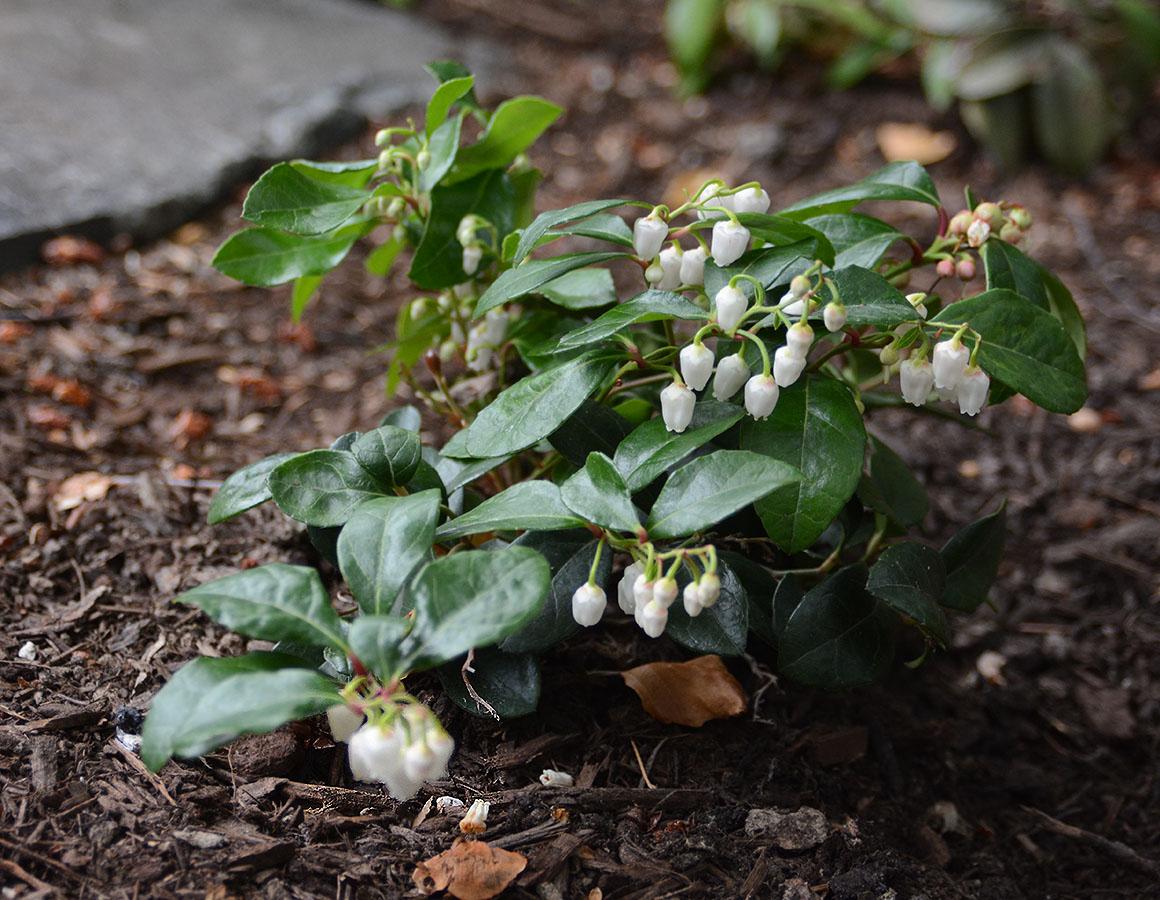
Compact evergreen wintergreen with minty-fragrant foliage, bell-shaped flowers, and showy white berries
 USDA 3–7
 Part shade–shade
 Acid, well-drained
 Great in containers
Description
Gaultheria procumbens Ciao Bella White is a refined selection of American wintergreen prized for its crisp white, glossy berries that follow dainty, urn-shaped white flowers. Forming a low, slowly spreading mat of leathery, evergreen leaves, it brings year-round texture to shaded, acidic gardens and glows with bronzy-red tints in cold weather. Crush a leaf and you’ll notice the classic minty wintergreen fragrance.
This cultivar is ideal as a small-scale groundcover beneath shrubs, at the edge of woodland paths, or in decorative containers for fall and winter interest. Flowers in late spring to midsummer provide nectar for pollinators, while persistent berries offer seasonal appeal well into winter.
This cultivar is ideal as a small-scale groundcover beneath shrubs, at the edge of woodland paths, or in decorative containers for fall and winter interest. Flowers in late spring to midsummer provide nectar for pollinators, while persistent berries offer seasonal appeal well into winter.
Suggested Uses
- Shaded woodland edges
- Acid-loving borders
- Underplanting for rhododendrons
- Year-round groundcover
- Fall & winter porch pots
- Rock gardens (cool, shaded)
- Naturalized drifts
- Holiday tabletop accents (short-term indoors)
Plant Details
-
 Botanical NameGaultheria procumbens ‘Ciao Bella White’
-
 Common NameAmerican wintergreen; teaberry; boxberry
-
 Size & Growth4–8 in tall (10–20 cm); 12–18 in spread (30–45 cm); slow, rhizomatous groundcover
-
Hardiness ZonesUSDA 3–7 (very cold-hardy with protection from drying winter winds)
-
 Foliage TypeEvergreen, leathery, glossy dark green; turns bronzy-red in cold weather
-
 Bloom TimeLate spring to midsummer; small white, urn-shaped flowers followed by white berries into winter
-
 Growth RateSlow to moderate; spreads gently by short rhizomes
-
Light RequirementsPartial shade to full shade; morning sun in cool climates; avoid hot afternoon sun
-
 Attracts PollinatorsBee-friendly blooms; berries add seasonal interest and may be taken by wildlife
-
 Indoor FriendlyBest outdoors; suitable only for short-term indoor display in bright, cool conditions
-
Container FriendlyExcellent in pots and window boxes using acidic, well-drained mix
-
 Deer ResistantGenerally resistant; aromatic foliage is typically avoided by deer and rabbits
-
 Pet WarningLeaves/berries contain methyl salicylate; ingestion may be harmful to pets and children—use caution
-
 FragrantYes—foliage releases a minty wintergreen scent when touched or crushed
-
 Cut FlowerNot a traditional cut flower; sprigs with berries are attractive in small arrangements/wreaths
-
 Grows Well WithGrows Well With Azaleas & rhododendrons, Pieris, Skimmia, Leucothoe, Vaccinium, Erica/Calluna, dwarf conifers, hardy ferns, fine-textured Carex
Care Tips
-
 Planting InstructionsPlant in spring or early fall in partial shade. Amend hole with peat moss/pine bark to increase acidity. Space 10–15 in apart. Set crown level with soil, water well, and mulch 2–3 in with pine needles or shredded bark.
-
 Soil MoistureKeep evenly moist but never waterlogged. Do not allow to dry out fully—especially in containers. Water when the top 1 in feels slightly dry.
-
Soil TypeAcidic (pH 4.5–5.5), humus-rich, and well-drained. Incorporate leaf mold/composted pine bark. Avoid alkaline or limed soils.
-
 HumidityPrefers moderate humidity and cool roots. Mulch to conserve moisture. Indoors (short-term), keep away from heat vents; use a humidity tray if air is very dry.
-
 Pruning InstructionsMinimal pruning needed. Remove winter-burned leaves in spring and lightly trim to tidy after fruiting. Avoid hard pruning into old wood.
-
 Winter CareVery hardy. Apply 2–3 in mulch to prevent freeze–thaw heaving. In exposed sites, shield from winter sun/wind. Overwinter containers in a sheltered, unheated, bright spot; water sparingly.
-
 Planting DepthPlant at the same depth as in the pot; do not bury the crown. Shallow roots—set rhizomes just beneath the surface (about 0.5–1 in / 1–2.5 cm).
-
 FertilizationLight feeder. In early spring, apply a slow-release fertilizer for acid-loving plants or top-dress with composted bark. Avoid high-nitrogen formulas and lime. Use chelated iron if chlorosis appears.
-
 Special CareBest fruiting with 2+ genetically distinct plants nearby. Water with rainwater where tap water is alkaline. Refresh mulch annually; repot container plants every 2–3 years with ericaceous mix.