Skip to product information
1 of 31

RedCrocus Picea 'Hexenbesen' Standard Topiary - Live Dwarf Spruce, Evergreen Architectural Accent for Containers, Entries, Rock & Zen Gardens, Cold-Hardy Zones 3-7, Low Maintenance 10 Gallon Nursery Pot

RedCrocus Picea 'Hexenbesen' Standard Topiary - Live Dwarf Spruce, Evergreen Architectural Accent for Containers, Entries, Rock & Zen Gardens, Cold-Hardy Zones 3-7, Low Maintenance 10 Gallon Nursery Pot

Regular price $1,000.00 USD
Regular price $1,300.00 USD Sale price $1,000.00 USD
Sale Sold out
Shipping calculated at checkout.

SKU:ber573e-redcrocus

Pot Size

Picea Hexenbesen Topiary — Standard Topiary

Sold Out
A refined dwarf spruce topiary with year‑round structure and texture

Description

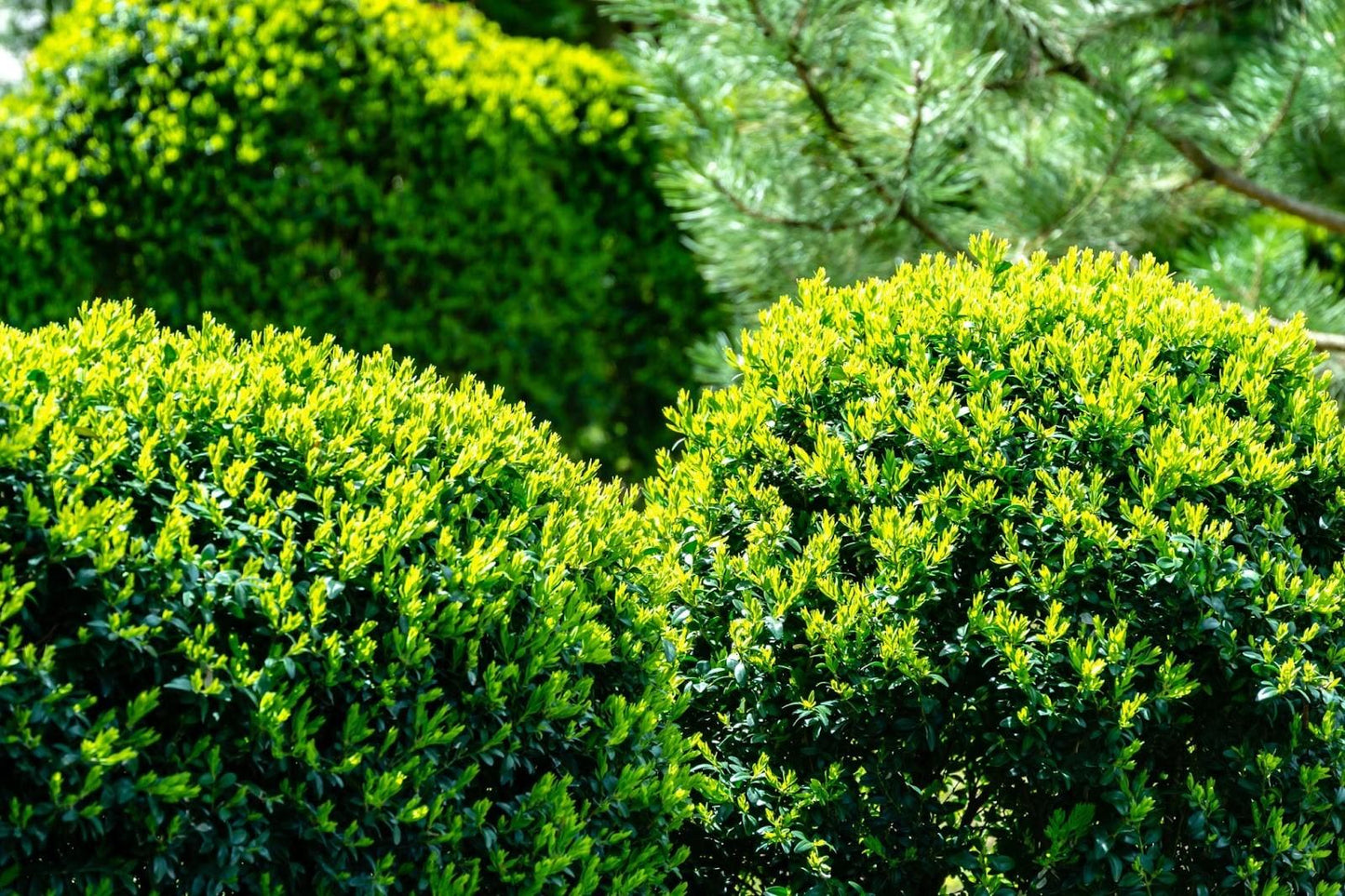
Picea Hexenbesen Topiary is a compact, grafted “standard” formed from a witches’ broom selection, creating a tight, rounded crown atop a straight stem. Its short, stiff needles and dense branching deliver crisp geometry and evergreen color in every season. With a naturally slow growth habit, it holds a tidy outline with minimal pruning, making it a standout for containers, courtyards, formal entries, rock and Japanese‑inspired gardens, and small urban spaces.

Evergreen structure Slow-growing, low maintenance Excellent in containers Cold hardy

Suggested Uses

  • Container icon
    Containers & Entries
    Perfect as a statement piece in large pots flanking doors, gates, or pathways.
  • Formal garden icon
    Formal & Courtyard Plantings
    Architectural accent for parterres, knot gardens, and clipped designs.
  • Rock garden icon
    Rock & Zen Gardens
    Compact form suits rockeries, gravel gardens, and Japanese‑inspired spaces.
  • Winter interest icon
    Four‑Season Interest
    Dense evergreen canopy brings structure and color even in winter.

Plant Details

Typical for dwarf spruce topiary standards

  • Botanical Name iconBotanical NamePicea Hexenbesen Topiary Standard Topiary Sold Out
  • Common Name iconCommon NamePicea Hexenbesen Topiary (Standard)
  • Size & Growth iconSize & GrowthSize and growth iconSlow-growing (about 2–4 in / 5–10 cm per year). Crown typically 1.5–3 ft (45–90 cm) wide in 10 years; overall height is set by the grafted stem (often 3–5+ ft / 0.9–1.5 m).
  • Hardiness Zones iconHardiness ZonesUSDA Zones 3–7 (to approx. −35°F / −37°C)
  • Foliage Type iconFoliage TypeEvergreen; short, stiff needles, densely set for a tight, rounded crown.
  • Bloom Time iconBloom TimeInconspicuous pollen cones in spring; may form small ornamental seed cones.
  • Growth Rate iconGrowth RateSlow and compact; holds shape with minimal clipping.
  • Light Requirements iconLight RequirementsFull sun for best density; provide light afternoon shade in hot summers.
  • Attracts Pollinators iconAttracts PollinatorsWind‑pollinated; not a nectar source, but provides shelter and nesting sites for birds and beneficial insects.
  • Indoor Friendly iconIndoor FriendlyBest grown outdoors. Not suitable for year‑round indoor culture; can be displayed indoors briefly in cool, bright conditions.
  • Container Friendly iconContainer FriendlyExcellent in large containers with sharp drainage; choose a pot 2–3 in wider than the root ball.
  • Deer Resistant iconDeer ResistantGenerally deer resistant; prickly needles discourage browsing.
  • Pet Warning iconPet WarningNon‑toxic to cats and dogs; ingestion of needles may cause mild stomach upset. Sharp needles—use caution with curious pets.
  • Fragrant iconFragrantSubtle resinous aroma when needles are brushed or warmed by sun.
  • Cut Flower iconCut FlowerNot used as cut flowers; sprigs are excellent for wreaths and winter arrangements.
  • Grows Well With iconGrows Well WithGrows Well With Heather/Heath (Calluna, Erica), dwarf junipers, Pinus mugo, globe Thuja, sedum, thyme, heuchera, fine grasses, spring bulbs.

Care Tips

Simple, structured care for lasting form

  • Planting Instructions iconPlanting InstructionsSite in full sun with good air flow. Dig a hole 2× the width of the root ball, same depth. Set with root flare level to slightly above grade; never bury the graft union. Backfill with native soil, water to settle, mulch 2–3 in, and stake the standard the first season.
  • Soil Moisture iconSoil MoistureKeep evenly moist but never soggy. Water when the top 1–2 in of soil are dry; provide ~1 in/week during the first 1–2 seasons, then reduce as established.
  • Soil Type iconSoil TypeWell‑drained loam or sandy soils; slightly acidic to neutral (pH 5.5–7.0). Amend heavy clay with grit and compost, or plant on a berm for drainage.
  • Humidity iconHumidityAverage outdoor humidity is ideal. Ensure good air circulation; avoid reflected heat and prolonged stagnation to deter mites.
  • Pruning Instructions iconPruning InstructionsMinimal pruning needed. Lightly shear or pinch new growth after it firms up in late spring to maintain a sphere. Remove any shoots from below the graft and any dead, damaged, or crossing twigs; sanitize tools.
  • Winter Care iconWinter CareHardy in ground. In containers, insulate pots, group together, or wrap for root protection. Water during winter thaws if soil is dry; consider a windbreak in exposed sites to limit desiccation.
  • Planting Depth iconPlanting DepthSet the top of the root ball level with or 1–2 in above surrounding soil; keep trunk flare visible and the graft well above soil/mulch.
  • Fertilization iconFertilizationLight feeder. Apply a balanced, slow‑release, acid‑forming fertilizer in early spring at label rates. Avoid high nitrogen late in summer.
  • Special Care iconSpecial CareMonitor for spruce spider mites and spruce gall adelgid; rinse foliage in hot, dry spells. Rotate container quarterly for uniform density; repot every 3–5 years in a sharply drained mix.
View full details