Skip to product information
1 of 25

RedCrocus Variegated Algerian Ivy 'Marengo' Live Plant (Hedera algeriensis), Evergreen Trailing Vine for Shade, Indoor Houseplant or Outdoor Groundcover 1 Quart Pot

RedCrocus Variegated Algerian Ivy 'Marengo' Live Plant (Hedera algeriensis), Evergreen Trailing Vine for Shade, Indoor Houseplant or Outdoor Groundcover 1 Quart Pot

Regular price $104.00 USD
Regular price $135.20 USD Sale price $104.00 USD
Sale Sold out
Shipping calculated at checkout.

SKU:ber56f5-redcrocus

Pot Size

Ivy — Algerian ‘Marengo’ Variegated

Hedera algeriensis ‘Gloire de Marengo’ (syn. Hedera canariensis ‘Variegata’)

Evergreen Vine Variegated Foliage Shade Tolerant Fast Growing

Description

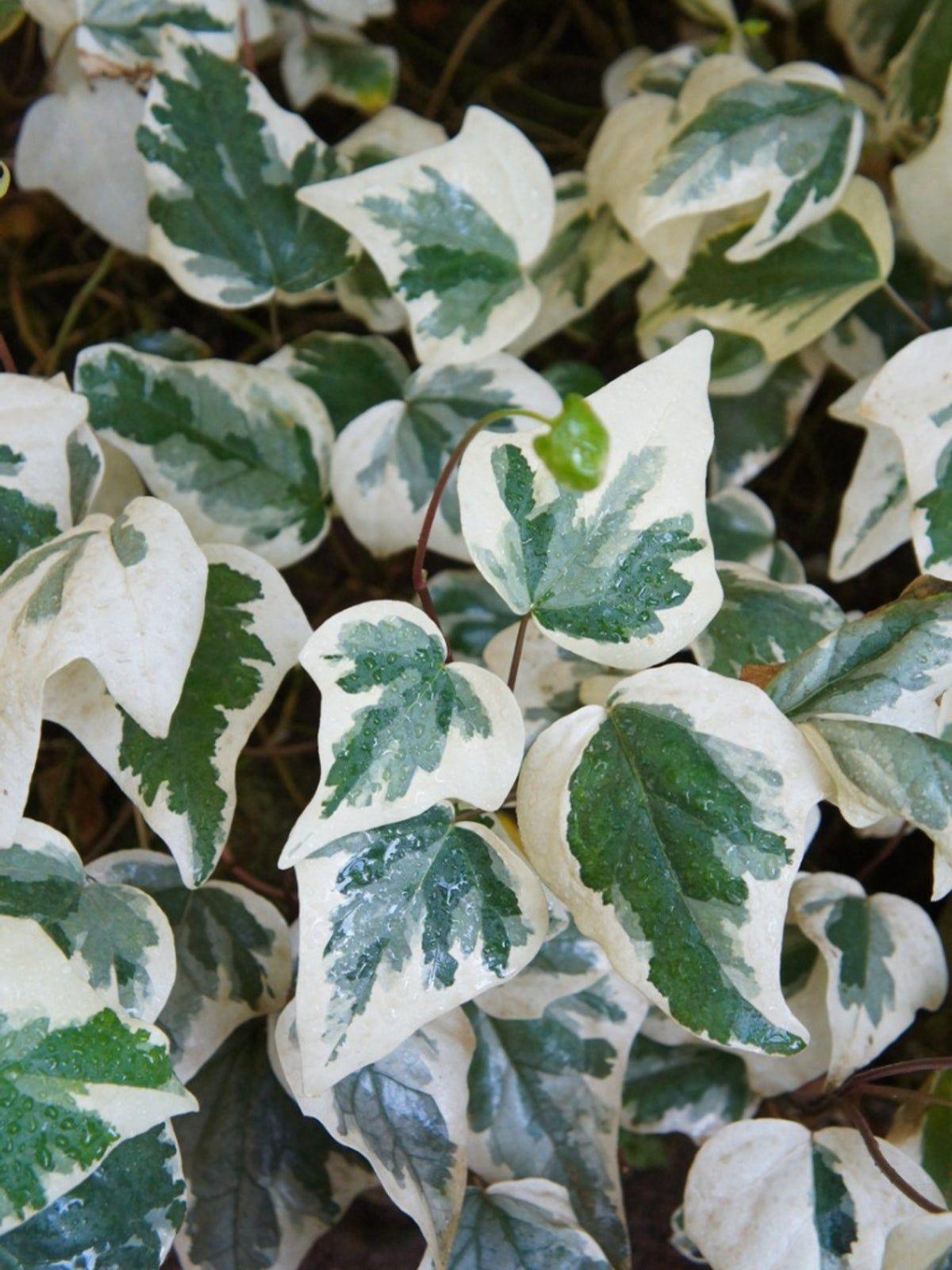
Lush and vigorous, Algerian Ivy ‘Marengo’ is a standout variegated selection prized for its large, leathery leaves marbled deep gray‑green with creamy white margins that may blush pink in cool weather. This evergreen climber or groundcover quickly cloaks walls, fences, banks, and shady beds, bringing bright contrast where many plants struggle. More heat‑tolerant and faster growing than English ivy, it thrives in partial to full shade and is equally at home trailing from containers or trained as an indoor topiary. Note: Algerian ivy can be regionally invasive—plant responsibly and manage spread.

Suggested Uses

Shade Groundcover Wall / Fence Cover Erosion Control on Slopes Containers & Hanging Baskets Indoor Houseplant (Bright Indirect) Topiary & Trellises Understory Contrast Planting Coastal Gardens (Salt Tolerant)

Plant Details

Key attributes and typical characteristics for this cultivar.

  • Botanical name iconBotanical NameIvy — Algerian ‘Marengo’ Variegated (Hedera algeriensis ‘Gloire de Marengo’; syn. Hedera canariensis ‘Variegata’)
  • Common name iconCommon NameAlgerian Ivy ‘Marengo’; Variegated Algerian Ivy
  • Size and growth iconSize & GrowthVines to 20–40 ft (6–12 m) with support; 4–8 in (10–20 cm) tall as groundcover, spreading indefinitely; leaves 4–6 in (10–15 cm) wide; vigorous.
  • Hardiness zones iconHardiness ZonesUSDA 8–11 (potentially 7b in sheltered sites); grow as a houseplant or seasonal annual in colder regions.
  • Foliage type iconFoliage TypeEvergreen, variegated broadleaf; large leathery leaves, gray‑green centers with creamy‑white margins; may blush in cool temperatures.
  • Bloom time iconBloom TimeRare on juvenile plants; on mature/arboreal growth may flower late summer to fall, followed by black berries (do not ingest).
  • Growth rate iconGrowth RateFast to very fast in mild climates; moderate indoors or in containers.
  • Light requirements iconLight RequirementsPartial shade to full shade outdoors; morning sun is tolerated. Indoors, bright indirect light maintains best variegation; avoid harsh afternoon sun in hot zones.
  • Attracts pollinators iconAttracts PollinatorsYes—mature plants in bloom attract bees and late‑season pollinators; not primarily grown for flowers.
  • Indoor friendly iconIndoor FriendlyYes—adaptable houseplant in bright, indirect light with moderate humidity; train on a small trellis or allow to trail.
  • Container friendly iconContainer FriendlyExcellent for pots, window boxes, and hanging baskets; choose sturdy supports if training upward.
  • Deer resistant iconDeer ResistantGenerally deer resistant; occasional browsing possible when other forage is scarce.
  • Pet warning iconPet WarningToxic if ingested (saponins); sap may irritate skin. Keep away from pets and children; wear gloves when pruning.
  • Fragrant iconFragrantNo notable fragrance; grown for foliage effect.
  • Cut flower iconCut FlowerNot a cut flower, but variegated stems are useful as foliage in arrangements and wreath work.
  • Grows well with iconGrows Well WithGrows Well With Hosta, ferns, Heuchera, Helleborus, Ajuga, Carex, Liriope, Hydrangea, Camellia, pairs well with shade annuals (Begonia, Impatiens) in containers.
Regional note: In some climates Algerian ivy may be invasive—edge beds, use root barriers, and prevent escape into natural areas.

Care Tips

Practical guidance for planting, maintenance, and long‑term performance.

  • Planting instructions iconPlanting InstructionsPlant in spring or fall. Space 18–24 in (45–60 cm) apart for groundcover. Set the crown at the same depth as in the pot. Provide a trellis, wires, or mesh if vertical coverage is desired; avoid planting where it can climb trees or escape beyond your garden.
  • Soil moisture iconSoil MoistureKeep evenly moist during establishment; water deeply but infrequently. Once established, it is moderately drought tolerant; allow the top inch to dry between waterings (indoors) and avoid waterlogging.
  • Soil type iconSoil TypeAdaptable to most well‑drained soils (loam, sandy, or clay). Best in organically enriched soil, pH 6.0–7.5. Incorporate compost to improve structure and moisture balance.
  • Humidity iconHumidityAverage outdoor humidity is sufficient. Indoors, aim for 40–60% RH; occasional misting or a pebble tray helps prevent leaf‑edge browning in dry homes.
  • Pruning instructions iconPruning InstructionsShear or pinch as needed year‑round to control size and encourage branching. Remove any non‑variegated (reverting) shoots. Wear gloves; sap can irritate skin. Keep off buildings and trees if control is a concern.
  • Winter care iconWinter CareMulch roots in late fall in zone 8 and marginal areas; shield from cold, drying winds. In colder zones, overwinter container plants indoors in bright, cool conditions (50–60°F / 10–16°C) and water sparingly.
  • Planting depth iconPlanting DepthPlant at the same depth as grown in the nursery pot; do not bury stems. When layering for groundcover, pin nodes in contact with soil to encourage rooting.
  • Fertilization iconFertilizationLight feeder. Apply a balanced, slow‑release fertilizer in spring outdoors. Indoors, feed at half‑strength every 4–6 weeks during active growth; avoid overfertilizing to preserve strong variegation.
  • Special care iconSpecial CareProvide support for climbing; rotate indoor plants for even light. Wipe leaves to remove dust. Monitor for spider mites, aphids, and scale; treat early. Use edging or barriers to contain spread and check local guidance regarding invasiveness.
View full details