

RedCrocus Philodendron punctata Live Plant – Glossy Speckled Leaves, Rare Aroid Houseplant, Climbing Habit, Bright Indirect Light 4" Pot
RedCrocus Philodendron punctata Live Plant – Glossy Speckled Leaves, Rare Aroid Houseplant, Climbing Habit, Bright Indirect Light 4" Pot
SKU:ber55bc-redcrocus
Couldn't load pickup availability
Philodendron Punctata
A refined tropical climber with elegant, evergreen foliage and dependable houseplant performance.
Description
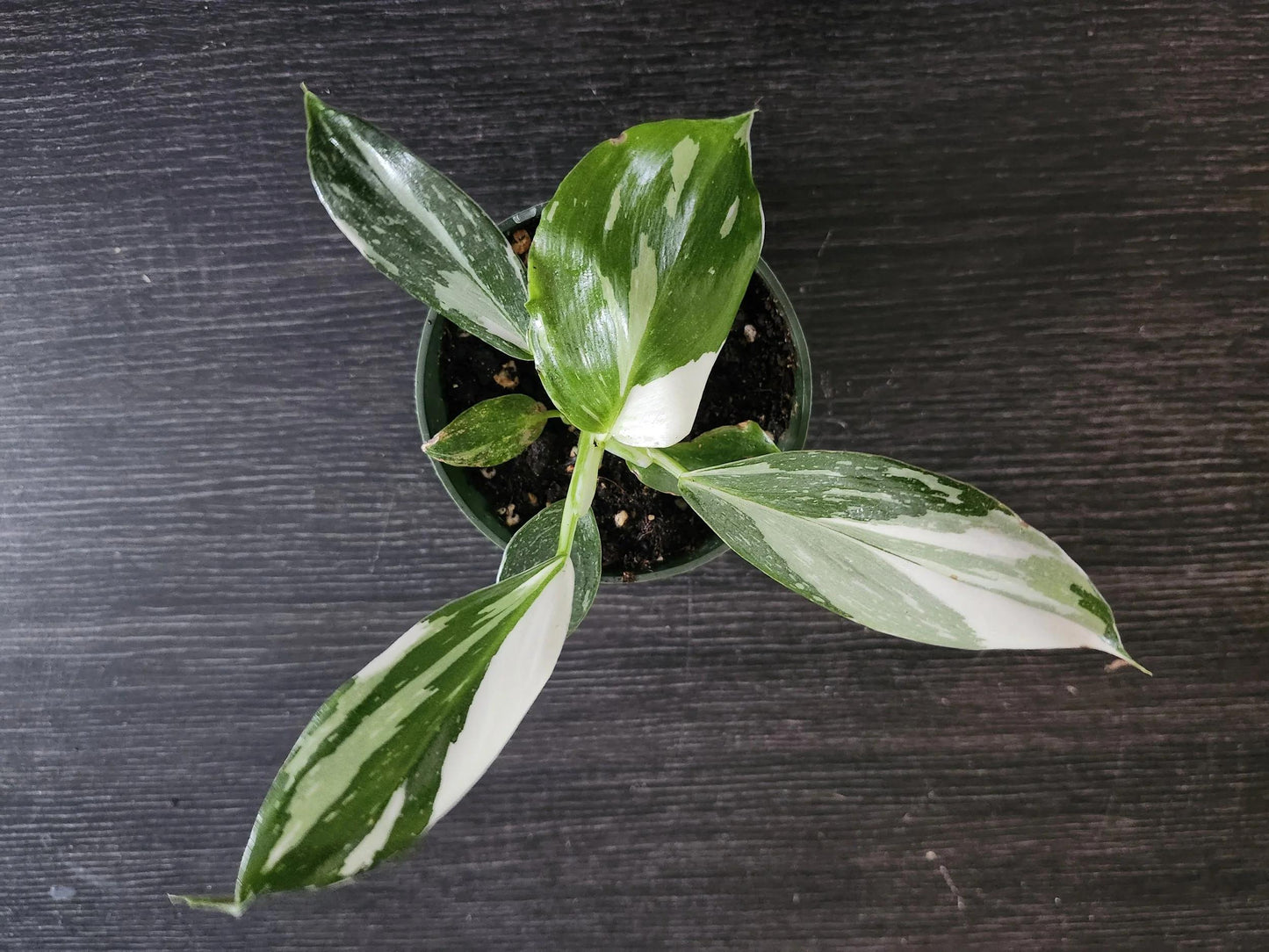
Philodendron Punctata is a vining/climbing aroid prized for its polished green leaves and tidy habit. Like many philodendrons, it thrives in warm, bright, filtered light and appreciates a supportive stake or moss pole to climb. The foliage is evergreen and typically shows subtle punctations (tiny speckles) that inspire its name. While flowering is rare indoors, the plant is grown primarily for its clean, architectural foliage and ease of care in modern interiors.
Suggested Uses
- Statement houseplant on a moss pole for vertical interest
- Trailing accent on shelves and plant walls (allow to cascade)
- Biophilic office décor; thrives in bright, indirect light
- Warm-climate patio/lanai containers in shaded locations
- Tropical mixed planters with other shade-loving aroids
Plant Details
-
 Botanical NamePhilodendron punctata
-
 Common NamePhilodendron
-
 Size & GrowthIndoors 3–6 ft (0.9–1.8 m) with support; larger (8–15 ft) in tropical landscapes. Moderate growth with warmth and consistent care.
-
 Hardiness ZonesUSDA 10–12 (outdoors year‑round); grow as a houseplant elsewhere.
-
 Foliage TypeEvergreen, glossy leaves; typically lanceolate to ovate with subtle natural speckling (punctations).
-
 Bloom TimeRare indoors; in warm tropical conditions may bloom sporadically late spring–summer (spathe and spadix inflorescences).
-
 Growth RateModerate; faster in high humidity and bright, indirect light during the warm season.
-
 Light RequirementsBright, indirect light is ideal; tolerates medium light. Avoid prolonged direct sun to prevent leaf scorch.
-
 Attracts PollinatorsOnly when flowering outdoors; primarily attracts beetles typical of aroid pollination. Not relevant for most indoor plants.
-
 Indoor FriendlyExcellent houseplant; adapts well to typical indoor conditions with moderate to high humidity.
-
 Container FriendlyYes — thrives in containers with drainage; benefits from a trellis or moss pole for climbing habit.
-
 Deer ResistantModerately deer resistant due to irritating sap; not a preferred browse when grown outdoors in warm zones.
-
 Pet WarningToxic to pets and people if ingested (calcium oxalate crystals). Keep out of reach; may irritate skin/eyes/sensitive mouths.
-
 FragrantNot typically fragrant; indoor plants are grown for foliage rather than scent.
-
 Cut FlowerFoliage may be used in arrangements; inflorescences are not commonly used as cuts.
-
 Grows Well WithGrows Well With Monstera deliciosa, Epipremnum (Pothos), Scindapsus, Aglaonema, Anthurium, shade-loving ferns.
Note: Specific traits may vary slightly by provenance and growing conditions; the above reflects typical care and performance for philodendron types.
Care Tips
-
 Planting InstructionsPot into a container with drainage. Use a support (moss pole/trellis) at planting to encourage climbing. Gently loosen roots and center the plant without burying the stem.
-
 Soil MoistureKeep evenly moist but never waterlogged. Water when the top 1–2 inches (2.5–5 cm) of mix are dry; reduce frequency in winter.
-
 Soil TypeAiry aroid mix: chunky bark + perlite + coco coir/peat with a bit of compost. Target pH 5.5–6.5 and excellent drainage.
-
 HumidityPrefers 60–80% RH; tolerates 45–50%. Group plants, use a humidifier, or place near a pebble tray for best results.
-
 Pruning InstructionsTrim leggy or wayward vines above a node to encourage branching. Remove yellowed/damaged leaves. Wipe leaves to keep dust-free.
-
 Winter CareProvide bright, indirect light and keep >60°F (16°C). Water less, avoid cold drafts, and pause fertilizing until spring growth resumes.
-
 Planting DepthSet at the same depth as in its nursery pot; crown just at soil surface. Do not bury aerial nodes intended to root to a pole.
-
 FertilizationFeed monthly in spring–summer with a balanced, dilute liquid (e.g., 3‑1‑2 or 1/2‑strength 20‑20‑20). Flush the pot every 6–8 weeks to prevent salt buildup.
-
 Special CareProvide a moss pole for larger leaves; rotate plant for even growth. Inspect for pests (spider mites, mealybugs, thrips). Repot every 1–2 years; propagate by stem cuttings.
Tip: Aim for temperatures between 65–85°F (18–29°C) and avoid direct midday sun to maintain lush, blemish-free foliage.