Skip to product information
1 of 33

RedCrocus Juniperus 'Grey Owl' Live Plant, Silver-Blue Evergreen, Low Spreading Juniper for Full Sun, Drought & Cold Hardy, Zone 3-9 Groundcover 1 Gallon Nursery Pot

RedCrocus Juniperus 'Grey Owl' Live Plant, Silver-Blue Evergreen, Low Spreading Juniper for Full Sun, Drought & Cold Hardy, Zone 3-9 Groundcover 1 Gallon Nursery Pot

Regular price $60.00 USD
Regular price $78.00 USD Sale price $60.00 USD
Sale Sold out
Shipping calculated at checkout.

SKU:ber52d3-redcrocus

Pot Size

Juniperus Grey Owl Sold Out

Foliage icon

Low, spreading evergreen juniper with striking silvery gray foliage — resilient, drought-tolerant, and excellent for slopes and coastal sites.

Sold Out

Description

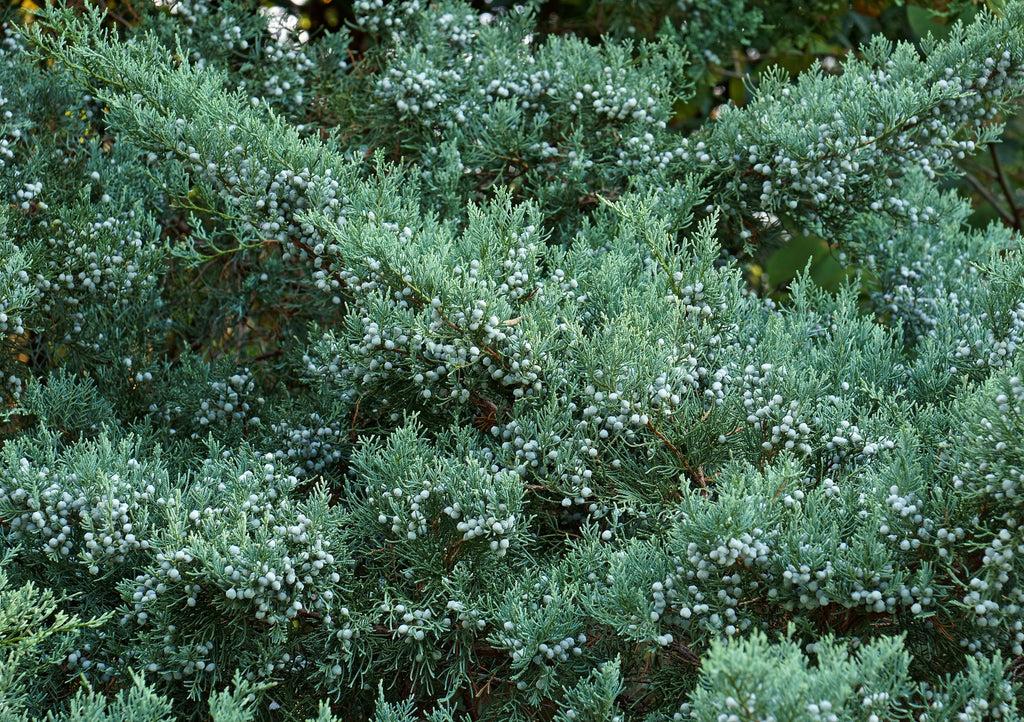
Juniperus ‘Grey Owl’ is a broad, low-growing juniper prized for its soft, silver-blue to gray foliage that holds color year-round, sometimes taking on a pleasing purplish cast in winter. Its naturally layered, spreading habit forms a dense, mounded cover perfect for stabilizing slopes, anchoring foundation beds, or creating an elegant, water-wise evergreen accent. Extremely adaptable, it thrives in full sun and well-drained soils, tolerating drought, wind, salt, and urban conditions once established. Birds appreciate the berry-like cones for winter interest and shelter, while deer typically avoid its aromatic foliage.

Evergreen Full Sun Drought & Salt Tolerant Deer Resistant Groundcover / Slope Stabilizer

Suggested Uses

• Mass planting for low-maintenance groundcover and erosion control on banks and slopes
• Foundation plantings, borders, and rock gardens for year-round texture and color
• Coastal and urban landscapes where wind, salt, and heat tolerance are valuable
• Xeriscapes and water-wise designs; pairs beautifully with grasses and sun-loving perennials
• Large containers for patios while young; eventually best sited in the landscape

Plant Details

  • Botanical Name iconBotanical NameJuniperus Grey Owl Sold OutOften sold as Juniperus ‘Grey Owl’, a low, spreading juniper cultivar with silver-gray foliage.
  • Common Name iconCommon NameJuniperus Grey Owl
  • Size & Growth iconSize & GrowthTypically 2–3 ft tall and 6–10 ft wide in 10 years; broad, layered, spreading habit forming a dense mound.
  • Hardiness Zones iconHardiness ZonesUSDA 3–9
  • Foliage Type iconFoliage TypeEvergreen; soft, scale-like sprays in striking silver-blue to gray; may take a purplish cast in winter cold.
  • Bloom Time iconBloom TimeNot showy. Male cones release pollen late winter to spring; female plants bear small berry-like cones.
  • Growth Rate iconGrowth RateModerate; 6–12 inches of spread per year under favorable conditions.
  • Light Requirements iconLight RequirementsFull sun (6+ hours); best color and density in full exposure.
  • Attracts Pollinators iconAttracts PollinatorsNot primarily; junipers are wind-pollinated. Birds may use berries and dense structure for food and shelter.
  • Indoor Friendly iconIndoor FriendlyNo—suited to outdoor conditions year-round; not a long-term houseplant.
  • Container Friendly iconContainer FriendlyYes in large, well-drained containers while young; ultimately best planted in the ground.
  • Deer Resistant iconDeer ResistantYes—aromatic foliage is typically avoided by deer.
  • Pet Warning iconPet WarningAvoid ingestion. Juniper foliage and cones can cause mild gastrointestinal upset in pets; prickly foliage may irritate skin.
  • Fragrant iconFragrantMild resinous scent when foliage is brushed or crushed; not strongly perfumed.
  • Cut Flower iconCut FlowerNot used as a bloom; sprigs are suitable for winter greens and wreath work.
  • Grows Well With iconGrows Well WithGrows Well With Lavender, Salvia, Nepeta, Sedum, ornamental grasses (e.g., Feather Reed Grass), Spiraea, Barberry, Rugosa Rose.

Note: Specific size and cone production can vary with climate, soil, and regional selection; values above reflect typical performance for this juniper type.

Care Tips

  • Planting Instructions iconPlanting InstructionsSite in full sun with good air flow. Dig a hole 2× as wide as the root ball and slightly shallower. Tease apart circling roots, set plant slightly above grade, backfill with native soil, and water deeply to settle. Space 6–10 ft apart to allow mature spread.
  • Soil Moisture iconSoil MoistureEvenly moist the first season; deep, infrequent watering thereafter. Allow the top 2–3 inches to dry between waterings. Excellent drought tolerance once established.
  • Soil Type iconSoil TypeWell-drained sandy or loamy soils preferred; tolerates poor or alkaline soils. Avoid heavy, wet sites; consider raised beds or berms if drainage is marginal.
  • Humidity iconHumidityHandles low humidity and dry air; wind- and salt-tolerant for coastal gardens. Ensure air circulation in humid climates to discourage mites.
  • Pruning Instructions iconPruning InstructionsMinimal pruning needed. Shape lightly in late winter to early spring, trimming only into green growth. Avoid cutting back to bare, old wood—junipers do not readily resprout from it.
  • Winter Care iconWinter CareHardy in Zones 3–9. Mulch 2–3 inches over the root zone (keep off stems). Water late in fall during dry spells. In exposed sites, protect first-year plants from desiccating winds.
  • Planting Depth iconPlanting DepthSet the top of the root ball 1–2 inches above finished grade. Keep the trunk flare visible. Mulch lightly, leaving a gap around stems.
  • Fertilization iconFertilizationLight feeder. If needed, apply a balanced, slow-release conifer fertilizer in early spring. Avoid heavy nitrogen and do not fertilize after midsummer.
  • Special Care iconSpecial CareExcellent for erosion control and tolerant of urban conditions and road salt. Monitor for bagworms and spider mites; treat early if found. Ensure strong drainage for long-term health.
View full details