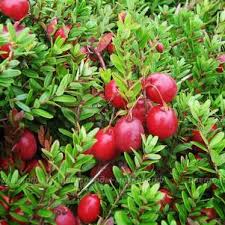


RedCrocus American Cranberry 'Stevens' – Vaccinium macrocarpon Live Plant, Cold-Hardy Evergreen Groundcover, Edible Berries, Container & Pollinator Friendly 6" Pot (Pack of 5)
RedCrocus American Cranberry 'Stevens' – Vaccinium macrocarpon Live Plant, Cold-Hardy Evergreen Groundcover, Edible Berries, Container & Pollinator Friendly 6" Pot (Pack of 5)
Regular price
$250.00 USD
Regular price
$325.00 USD
Sale price
$250.00 USD
Unit price
per
Shipping calculated at checkout.
SKU:ber4e8b-redcrocus
Couldn't load pickup availability
Cranberry- Stevens Red
Description
A vigorous, high-yielding American cranberry selection forming a low, evergreen mat of glossy foliage with pink spring flowers followed by large, bright-red berries that ripen late summer to fall. Ideal for edible groundcover, bog gardens, and cool-climate containers where consistently acidic, moist soil is maintained.
Suggested Uses
Edible groundcover, raised beds and barrels, bog or rain gardens with acidic media, coastal plantings, pollinator-friendly borders, and mass plantings for home berry production.
Plant Details
-
 Botanical Name: Vaccinium macrocarpon 'Stevens'
 -
 Common Name: American Cranberry 'Stevens'
 -
 Size & Growth: 6–8 in. tall; runners spread 2–4+ ft; forms dense mats over time
 -
 Hardiness Zones: USDA 2–7
 -
 Foliage Type: Evergreen; small glossy leaves turn bronzy-red in winter cold
 -
 Bloom Time: Late spring to early summer; fruit ripens late summer to fall
 -
 Growth Rate: Moderate; faster with moisture and acidic organic media
 -
 Light Requirements: Full sun for best fruiting; tolerates light afternoon shade
 -
 Attracts Pollinators: Yes—especially native bees and bumblebees
 -
 Indoor Friendly: Not recommended as a houseplant
 -
 Container Friendly: Yes—large, shallow containers or barrels with acidic, moisture-retentive mix
 -
 Deer Resistant: Generally avoided by deer; birds may peck ripe fruit
 -
 Pet Warning: Non-toxic; berries are safe in moderation for pets (excess may upset stomach)
 -
 Fragrant: Not notably fragrant
 -
 Cut Flower: Not typical; berrying stems useful for seasonal decor
 -
 Grows Well With: Blueberries, lingonberry, heaths and heathers; mulch with sphagnum/pine needles
Care Tips
-
 Planting Instructions: Space plants 18–24 in. apart in a wide bed; set crown at soil surface; water in well and mulch 2–3 in. with pine needles or sphagnum.
 -
 Soil Moisture: Keep evenly moist to wet; never allow to dry out. Avoid stagnant, airless water—aim for saturated yet aerated media.
 -
 Soil Type: Strongly acidic (pH 4.0–5.5), sandy/peaty mix high in organic matter; no lime or wood ash.
 -
 Humidity: Prefers cool summers and average humidity; shelter from hot, drying winds and keep roots cool with mulch.
 -
 Pruning Instructions: Late winter or after harvest, lightly trim long runners to encourage upright fruiting shoots; remove dead or weak growth.
 -
 Winter Care: Very hardy; in snow-free cold areas, mulch 2–4 in. with pine needles to prevent heaving and windburn. Remove most mulch in early spring.
 -
 Planting Depth: Roots 2–3 in. deep with the crown level to the surface; do not bury shoot tips or crown.
 -
 Fertilization: Light feeder—use an acid-forming fertilizer (e.g., cottonseed meal or low-rate ammonium sulfate) in spring; avoid high nitrogen to prevent rank runner growth.
 -
 Special Care: Maintain pH 4.0–5.5; water with rainwater if tap is alkaline; net fruit from birds; consider a 0.5 in. clean sand topdress every 2–3 years to boost uprights and suppress weeds.