

RedCrocus Picea Conica Double Spiral Topiary, Live Dwarf Alberta Spruce - Evergreen for Entryways & Containers, Four-Season Accent, Cold-Hardy 10 Gallon Nursery Pot
RedCrocus Picea Conica Double Spiral Topiary, Live Dwarf Alberta Spruce - Evergreen for Entryways & Containers, Four-Season Accent, Cold-Hardy 10 Gallon Nursery Pot
SKU:ber411e-redcrocus
Couldn't load pickup availability
Picea Conica Double Spiral Topiary
Description
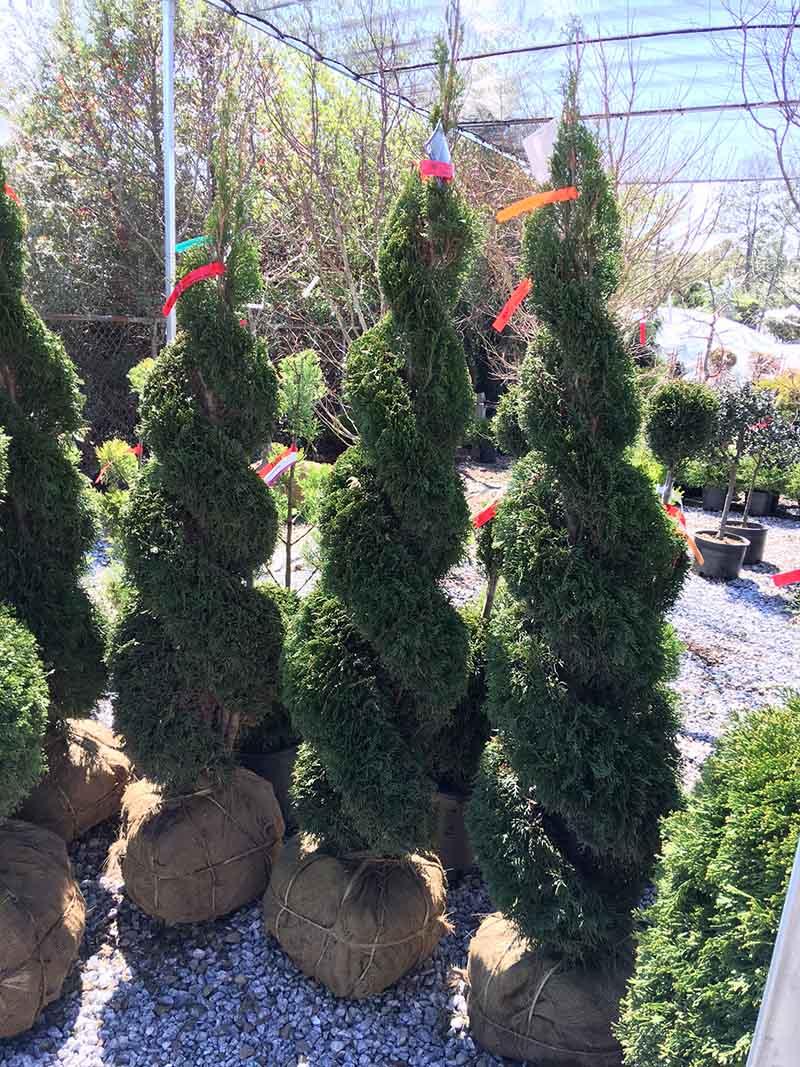
Picea Conica Double Spiral Topiary is a meticulously pruned form of the beloved dwarf spruce known for its compact habit and fine, bright-green needles. Sculpted into a graceful double helix, it provides year-round structure and a refined focal point at entrances, patios, and along formal walkways. Naturally slow-growing and densely clothed in short needles, it holds its shape well with light seasonal shearing and thrives in cooler climates.
This topiary excels in containers and beds alike. Give it sun, well-drained soil, and consistent moisture, and it will reward you with a striking architectural presence through all four seasons.
Suggested Uses
- Flank front doors, gates, or garden entries as stately, symmetrical accents.
- Anchor formal beds, knot gardens, and parterre corners with evergreen structure.
- Container focal point for patios, terraces, rooftops, and courtyards.
- Four-season interest in mixed borders; pairs beautifully with low boxwood or heathers.
- Winter holiday decorating with lights and seasonal greens.
- Modern/minimalist designs needing clean vertical lines and texture.
Plant Details
-
 Botanical NamePicea Conica Double Spiral Topiary
-
 Common NamePicea Conica (Dwarf Alberta Spruce topiary)
-
 Size & GrowthTypically 4–8 ft tall and 2–4 ft wide in topiary culture; ultimately 10–13 ft x 3–5 ft over many decades. Very compact habit.
-
 Hardiness ZonesUSDA Zones 2–7; thrives in cool to cold climates with winter chill.
-
 Foliage TypeEvergreen conifer; dense, short, bright-green needles; fine texture year-round.
-
 Bloom TimeNot grown for flowers; inconspicuous pollen cones in spring.
-
 Growth RateSlow; typically 2–4 inches (5–10 cm) per year with good care.
-
 Light RequirementsFull sun to light shade; in hot summers, provide afternoon shade to reduce stress and needle scorch.
-
 Attracts PollinatorsLow; offers shelter for birds and incidental spring pollen, but not a primary pollinator plant.
-
 Indoor FriendlyBest outdoors; short-term indoor display (1–2 weeks) possible if kept cool and bright.
-
 Container FriendlyExcellent in large containers (18–24 in+) with sharp drainage; protect roots in winter in cold zones.
-
 Deer ResistantGenerally deer-resistant; browsing is uncommon compared to many broadleaf evergreens.
-
 Pet WarningNon-toxic to cats and dogs; sharp needles can irritate and ingestion may cause mild stomach upset—discourage chewing.
-
 FragrantLight resinous aroma when foliage is handled; not notably fragrant at a distance.
-
 Cut FlowerNot used as a cut flower; clipped sprigs are useful for winter arrangements and wreaths.
-
 Grows Well WithGrows Well With Boxwood, Juniper, dwarf pines, heathers (Calluna/Erica), lavender, sedum, ornamental grasses, Salvia, Nepeta, spring bulbs.
Care Tips
-
 Planting InstructionsPlant in spring or early fall. Dig a hole 2–3× the width of the root ball and same depth. Set the root flare at soil level, backfill, and water deeply. Stake in windy sites. For containers, choose a pot with large drainage holes and elevate slightly off the ground.
-
 Soil MoistureKeep evenly moist, especially the first 1–2 growing seasons. Water when the top 1–2 inches of soil are dry. Avoid waterlogging—good drainage is essential.
-
 Soil TypeWell-drained loam or sandy loam; slightly acidic to neutral (pH 5.5–7.0). Mix compost and coarse material (pine bark/perlite) for containers to improve structure and drainage.
-
 HumidityAverage outdoor humidity is fine. In hot, dry conditions, hose-rinse foliage periodically to deter spider mites and reduce dust buildup.
-
 Pruning InstructionsShear lightly 1–3 times from late spring to mid-summer to maintain the double spiral. Only trim current season’s soft growth; avoid cutting back into old, brown wood. Sanitize tools and step back frequently to keep symmetry.
-
 Winter CareApply 2–3 inches of mulch, keeping it off the trunk. Water during dry winter thaws. For containers in cold zones, insulate pots or move to a sheltered spot; consider anti-desiccant spray in exposed, windy locations.
-
 Planting DepthSet so the root flare is level with the surrounding soil—never deeper. The top of the root ball should be at or just slightly above grade in heavy soils.
-
 FertilizationFeed in early spring with a slow-release, balanced or evergreen-specific fertilizer as labeled. Container plants may need a light midsummer top-up. Avoid high nitrogen after midsummer.
-
 Special CareMonitor for spider mites in hot weather (white-paper shake test); treat with strong water spray or horticultural oil if needed. Rotate container plants periodically for even light and growth; avoid reflective heat and deep shade to preserve crisp spiral lines.