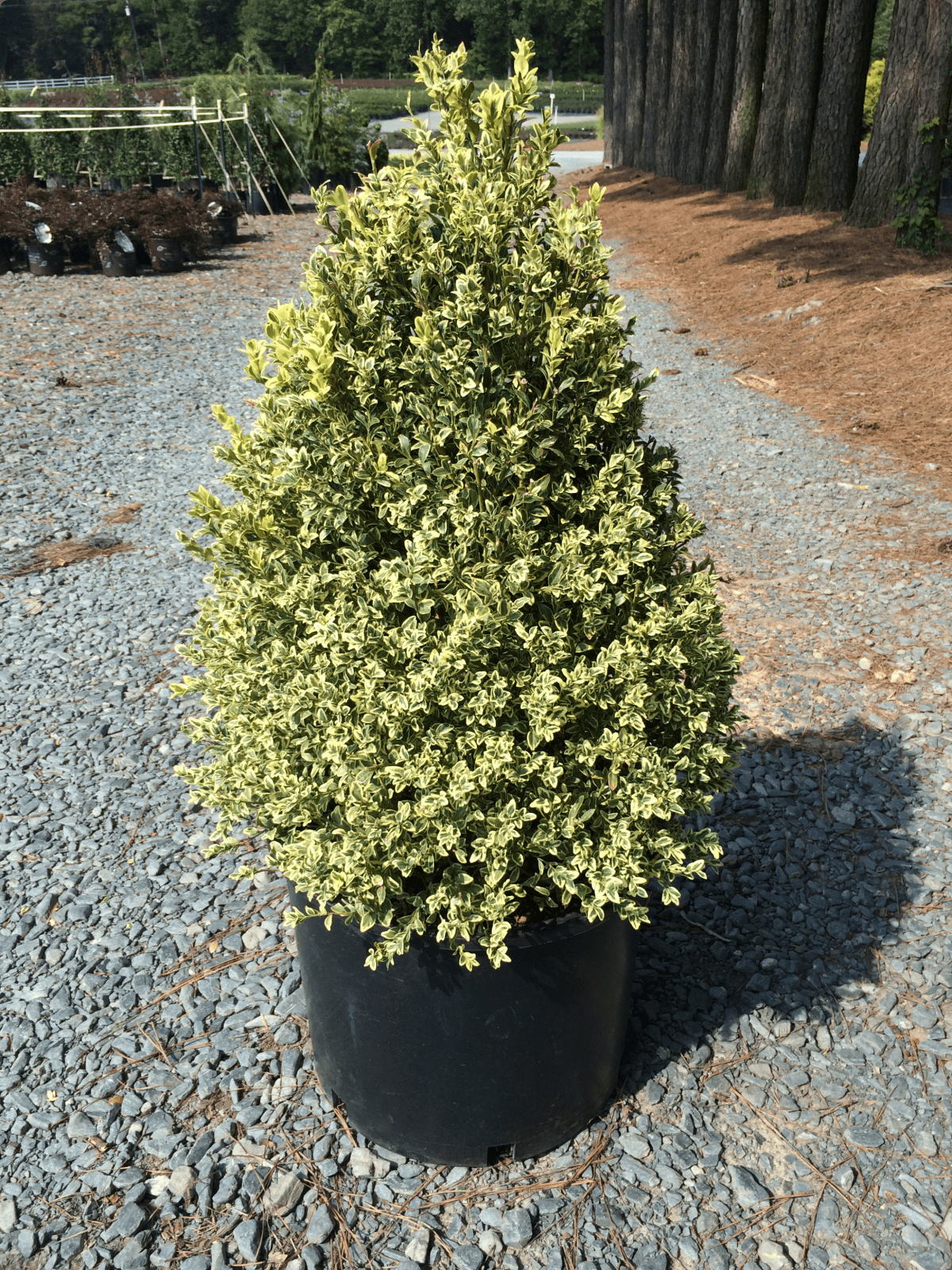


RedCrocus Variegated Boxwood Live Plant - Buxus sempervirens 'Variegata' - Evergreen Shrub for Hedges & Topiary, Partial Sun to Shade, Zones 5-8 1 Gallon Nursery Pot
RedCrocus Variegated Boxwood Live Plant - Buxus sempervirens 'Variegata' - Evergreen Shrub for Hedges & Topiary, Partial Sun to Shade, Zones 5-8 1 Gallon Nursery Pot
Regular price
$60.00 USD
Regular price
$78.00 USD
Sale price
$60.00 USD
Unit price
per
Shipping calculated at checkout.
SKU:ber3b5d-redcrocus
Couldn't load pickup availability
Buxus Variegata Bush
A classic variegated boxwood with dense, evergreen structure and creamy-edged leaves—ideal for hedging, borders, and refined containers.
Evergreen
USDA 5–8
Partial Sun
Deer Resistant
Container Friendly
Description
Buxus Variegata Bush is a refined, evergreen shrub prized for its small, glossy leaves edged in creamy white. The dense, naturally rounded habit makes it an exceptional choice for formal hedges, knot gardens, parterres, and year‑round structure in mixed borders. Tiny, honeyed spring flowers are subtle but can attract early pollinators. The variegation brightens shaded areas and pairs beautifully with dark or bold‑textured foliage. It responds well to selective pruning or light shearing for sharp lines and topiary work while remaining slow and steady in growth—easy to maintain once established.
Suggested Uses
- Low hedges & borders
- Formal gardens & parterres
- Topiary & shaping
- Foundation plantings
- Container specimens
- Accent for shaded beds
- Knot & herb gardens
- Year‑round structure
Plant Details
-
 Botanical NameBuxus Variegata BushOften sold as Buxus sempervirens ‘Variegata’; naming may vary by nursery.
-
 Common NameBuxus Variegata (Variegated Boxwood)
-
 Size & GrowthMature 4–8 ft tall × 3–6 ft wide; naturally dense, rounded habit; easily kept smaller with light shearing.Annual growth typically 2–6 in, depending on climate and care.
-
 Hardiness ZonesUSDA 5–8Provide wind protection in colder zones to reduce winter burn.
-
 Foliage TypeBroadleaf evergreen; small glossy leaves with creamy‑white margins.
-
 Bloom TimeEarly to mid spring; inconspicuous, pale flowers.
-
 Growth RateSlow to moderate.
-
 Light RequirementsPartial sun to partial shade; morning sun with afternoon shade is ideal, especially in hot summers.Variegated leaves can scorch in intense afternoon sun or reflect heat from hardscapes.
-
 Attracts PollinatorsYes—spring flowers lightly attract bees and other early pollinators.
-
 Indoor FriendlyNot ideal long‑term indoors; best grown outdoors. Short‑term display possible in bright, cool rooms.
-
 Container FriendlyExcellent for containers and topiary; choose well‑drained pots and protect roots from freezing.
-
 Deer ResistantYes—typically avoided by deer.
-
 Pet WarningToxic if ingested by pets or livestock; keep clippings away from animals.
-
 FragrantMild fragrance from tiny spring flowers; foliage has a characteristic scent when pruned.
-
 Cut FlowerYes—foliage is excellent for long‑lasting arrangements, wreaths, and boutonnieres.
-
 Grows Well WithGrows Well With Helleborus, Heuchera, Hydrangea (panicle), Liriope, Ferns, Lavandula (in brighter sites), Hakonechloa, and spring bulbs.
Care Tips
-
 Planting InstructionsPlant in spring or early fall. Space 24–36 in apart for a low hedge. Dig a hole 2× the width of the root ball, set the crown level with the soil, tease circling roots, backfill, and water thoroughly.Site away from strong winter winds and reflective heat surfaces to protect variegated foliage.
-
 Soil MoistureKeep evenly moist but never waterlogged. Water deeply during establishment; once established, it tolerates short dry spells.Mulch 2–3 in, keeping mulch a couple of inches off the stems to prevent rot.
-
 Soil TypeWell‑drained loam or sandy loam is best; tolerates clay if drainage is improved. Prefers pH 6.5–7.5.Add compost and grit in heavy soils; consider lime if your soil is markedly acidic.
-
 HumidityAverage garden humidity. Ensure good air circulation and avoid frequent overhead watering to reduce foliar disease risk.
-
 Pruning InstructionsShape lightly after spring flush; perform structural thinning in late winter to early spring. Avoid heavy pruning late in fall.Sanitize tools; open the plant slightly to improve airflow and reduce blight risk.
-
 Winter CareWater well before the ground freezes; apply 2–3 in mulch. In windy or exposed sites, use a burlap screen to limit desiccation and leaf bronzing.Anti‑desiccant sprays are optional; apply only per label in above‑freezing conditions.
-
 Planting DepthSet the root flare at or just above the surrounding soil. In heavy soils, plant 1–2 in higher to promote drainage.
-
 FertilizationFeed in early spring with a slow‑release, balanced fertilizer or a light layer of compost. Avoid late‑season nitrogen to prevent tender growth before winter.Soil test every few years; supplement with dolomitic lime if pH is low.
-
 Special CareMonitor for boxwood leafminer, psyllid, and mites; manage promptly if noted. Practice good sanitation, avoid dense overhead irrigation, and promptly remove fallen leaves to reduce disease pressure (e.g., boxwood blight).