

RedCrocus Cryptomeria japonica Spiraliter Falcata Live Plant - Japanese Cedar Evergreen Conifer for Landscape or Bonsai 2 Gallon Nursery Pot
RedCrocus Cryptomeria japonica Spiraliter Falcata Live Plant - Japanese Cedar Evergreen Conifer for Landscape or Bonsai 2 Gallon Nursery Pot
Regular price
$180.00 USD
Regular price
$234.00 USD
Sale price
$180.00 USD
Unit price
per
Shipping calculated at checkout.
SKU:ber3b3a-redcrocus
Couldn't load pickup availability
Cryptomeria Jap. Spiraliter Falcata
A sculptural selection of Japanese cedar prized for its spiraled, falcate needles and upright, architectural form.
Evergreen Conifer
Upright / Narrow
Low Maintenance
Landscape Specimen
Description
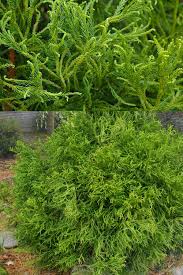
Cryptomeria Jap. Spiraliter Falcata is a distinctive form of Japanese cedar notable for its twisted, sickle‑like (falcate) juvenile needles that create a rippling, textural effect along upright branches. The plant develops into a narrow, columnar specimen with a refined silhouette—ideal where vertical emphasis is desired without excessive width. Foliage remains evergreen, shifting from rich green in the growing season to slightly bronzed or plum‑tinged hues in colder months. Growth is typically slow to moderate, making it well‑suited to smaller gardens, courtyards, and as a striking focal point near entrances.
Suggested Uses
Specimen / Accent
Narrow Screens
Courtyard & Entry Planting
Asian / Woodland Gardens
Mixed Conifer Borders
Large Containers (short term)
Architectural Focal Point
Plant Details

Botanical Name
Cryptomeria Jap. Spiraliter Falcata (a selection of Cryptomeria japonica)

Common Name
Cryptomeria Jap. Spiraliter Falcata; Japanese cedar (spiral, falcate form)

Size & Growth
Typically 12–20 ft tall and 4–8 ft wide in 10–15 years; ultimately 20–30 ft tall in ideal conditions; narrow, upright habit.

Hardiness Zones
USDA Zones 6–9 (in Zone 5, provide shelter from winter wind and deep freeze).

Foliage Type
Evergreen, awl-like needles; juvenile needles twist and curve (falcate), creating a spiraled texture; may bronze slightly in winter cold.

Bloom Time
Not grown for flowers; inconspicuous pollen cones in late winter to early spring.

Growth Rate
Slow to moderate (approximately 6–12 inches per year in good conditions).

Light Requirements
Full sun to light shade; in hot summers, provide afternoon shade to reduce leaf scorch and bronzing.

Attracts Pollinators
Low; wind-pollinated conifer with minimal wildlife pollinator value (birds may use for shelter).

Indoor Friendly
Not suitable as a long-term houseplant; best grown outdoors. Short-term display indoors is not recommended.

Container Friendly
Yes for several years in a large, well-drained container; ultimately prefers planting in the ground as it matures.

Deer Resistant
Generally deer resistant to moderately resistant; browse may occur where food is scarce.

Pet Warning
Considered non-toxic to cats and dogs; ingestion of needles may cause mild GI upset—discourage chewing.

Fragrant
Foliage is subtly aromatic/resinous when bruised; not noted for showy fragrance.

Cut Flower
Not a cut flower; evergreen sprigs are useful for winter arrangements and holiday greenery.

Grows Well With
Japanese maples, camellias, azaleas/rhododendrons, pieris, heuchera, ferns, hosta, and other compact conifers preferring slightly acidic soils.
Care Tips

Planting Instructions
Plant in spring or early fall. Dig a hole 2–3× the width of the root ball and the same depth. Set with the root flare at or slightly above grade, backfill with native soil amended with compost only if soil is poor, and water thoroughly to settle soil. Space to allow mature width and good air movement. Stake lightly if needed to maintain a single, straight leader the first year.

Soil Moisture
Keep evenly moist but never waterlogged. Water deeply and regularly the first 1–2 growing seasons; thereafter, provide supplemental water in heat or drought. Mulch 2–3 inches to conserve moisture and moderate soil temperature (keep mulch off trunk).

Soil Type
Prefers well-drained, fertile, slightly acidic to neutral soils (pH ~5.5–6.8). Tolerates loam and sandy loam; heavy clay requires improved drainage or raised site.

Humidity
Handles a range of humidity levels; protect from desiccating winter winds and hot, dry summer winds. In arid climates, increase irrigation and maintain mulch layer.

Pruning Instructions
Minimal pruning needed. In late winter, remove dead, damaged, or crossing wood. Avoid heavy shearing and do not cut back into leafless old wood. Maintain a single leader for best form; lightly tip-prune wayward shoots if necessary.

Winter Care
Apply mulch before ground freezes; water during winter thaws if soil is dry. In colder zones or windy sites, use windbreaks or burlap screens the first few winters to prevent needle desiccation and excessive bronzing.

Planting Depth
Set crown at existing soil line; root flare visible at or just above the surface. Loosen or slice circling roots on container plants before backfilling to encourage outward growth.

Fertilization
Feed lightly in early spring with a slow‑release, balanced or conifer‑specific fertilizer. Avoid excessive nitrogen, which can push weak growth. If soil is fertile, fertilization may be unnecessary—use a soil test to guide inputs.

Special Care
Provide afternoon shade in hottest climates. Ensure good drainage and consistent moisture to reduce stress. Monitor for spider mites during hot, dry spells and for bagworms in summer; treat promptly if detected. Avoid planting in sites with standing water.