

RedCrocus Weeping Blue Alaska Cedar - Chamaecyparis nootkatensis 'Glauca Pendula' Live Plant, Narrow Pendulous Blue Conifer for Year-Round Garden Structure 6 Gallon Nursery Pot
RedCrocus Weeping Blue Alaska Cedar - Chamaecyparis nootkatensis 'Glauca Pendula' Live Plant, Narrow Pendulous Blue Conifer for Year-Round Garden Structure 6 Gallon Nursery Pot
Regular price
$740.00 USD
Regular price
$962.00 USD
Sale price
$740.00 USD
Unit price
per
Shipping calculated at checkout.
SKU:ber37f8-redcrocus
Couldn't load pickup availability
Chamaecyparis Nook. 'glauca Pendula'
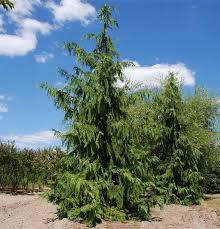
Also known as Weeping Blue Alaska Cedar / Weeping Nootka Cypress — a dramatic, narrow, pendulous blue conifer for year‑round architecture
Description
Chamaecyparis Nook. 'glauca Pendula' is a striking, weeping selection renowned for its cascading, curtain‑like branchlets and steel‑blue to blue‑green evergreen sprays. The plant forms a tall, narrow column with a strong central leader and gracefully pendulous side branches, creating a living sculpture that delivers four‑season structure and color. Best sited where its elegant habit can be appreciated, this conifer thrives in full sun with well‑drained soil, developing the richest blue tones in brighter light. Slow to moderate in growth, it’s ideal as a specimen, vertical accent, or to frame entries and vistas. Its tidy footprint makes it well suited to smaller gardens that still crave drama.
Suggested Uses
Specimen / Focal Point
Vertical Accent
Entryways & Courtyards
Four‑Season Structure
Evergreen Backdrop
Rock & Conifer Gardens
Cool Coastal Regions (sheltered)
Narrow Spaces
Architectural Planting
Plant Details

Botanical Name
Chamaecyparis Nook. 'glauca Pendula'

Common Name
Chamaecyparis Nook. 'glauca Pendula' (Weeping Blue Alaska Cedar)

Size & Growth
Narrow, weeping habit; 20–35 ft tall and 6–12 ft wide in 10–15 years; may reach 30–50+ ft tall and 10–15 ft wide with age; 6–12 in/yr (slow–moderate)

Hardiness Zones
USDA 4–7 (occasionally to 8 in cool‑summer areas)

Foliage Type
Evergreen, scale‑like sprays; steel‑blue to blue‑green year‑round

Bloom Time
Inconspicuous pollen/seed cones; spring pollination (not grown for flowers)

Growth Rate
Slow to moderate (approx. 6–12 inches per year)

Light Requirements
Full sun to light shade; 6+ hours sun for best blue color

Attracts Pollinators
Low; wind‑pollinated conifer (not a pollinator plant)

Indoor Friendly
Not recommended; best grown outdoors year‑round

Container Friendly
Yes, in large containers for the first 3–5+ years; not a long‑term container tree

Deer Resistant
Generally deer‑resistant (young plants may need protection)

Pet Warning
Not known to be toxic; ingestion of foliage may cause mild stomach upset—discourage chewing

Fragrant
Foliage mildly resinous when crushed; not showily fragrant

Cut Flower
Not a cut flower; stems useful in winter/evergreen arrangements

Grows Well With
Rhododendron, Pieris, Heathers/Heaths, Japanese Maple, Hosta, Hakonechloa, Hellebores, dwarf conifers, ornamental grasses
Care Tips

Planting Instructions
Plant in early spring or fall. Dig a hole 2–3× the root ball width, no deeper than the root ball height. Set the root flare at or slightly above grade. Backfill with native soil, water to settle, and mulch 2–3 in (keep mulch off trunk). Stake to support a straight central leader if needed.

Soil Moisture
Keep evenly moist the first 1–2 years; water deeply, then allow the top few inches to dry slightly. Once established, moderately drought‑tolerant but appreciates consistent moisture. Avoid waterlogged soil.

Soil Type
Well‑drained loam or sandy loam; slightly acidic to neutral (pH ~5.5–6.8). Improve drainage in heavy clay with coarse organic matter and grit; avoid low spots that hold water.

Humidity
Adaptable; prefers moderate humidity and good air flow. In hot, dry climates, mulch and occasional deep watering reduce stress and winter/summer desiccation.

Pruning Instructions
Minimal pruning. Remove dead, damaged, or crossing branches in late winter. Lightly tip‑prune to maintain a single leader; avoid cutting into old bare wood as conifers seldom resprout from it.

Winter Care
Hardy in zones 4–7. Water deeply before ground freeze. Maintain 2–3 in mulch. In exposed sites, consider a windbreak or burlap wrap for young trees to prevent desiccation and ice damage.

Planting Depth
Set so the root flare is visible and sits at or up to 1 inch above surrounding grade. Do not bury the trunk or cover the root flare with mulch.

Fertilization
Feed lightly in early spring with a balanced, slow‑release conifer fertilizer (e.g., 5‑3‑2 or 10‑10‑10) at label rates. Avoid heavy late‑summer or fall feeding.

Special Care
Ensure excellent drainage to prevent root rot. Train and, if necessary, stake the central leader while young to maintain form. Monitor for spider mites and bagworms. Avoid reflected heat and long‑term salt spray exposure.
Note: Cultural performance may vary with climate, microclimate, and soil. Provide shelter from intense drying winds for best foliage quality.