

RedCrocus Birds Nest Fern - Indoor Tropical Plant, Easy Care, Shaded Area, Pet Safe (Toxic to Pets), 2-3 ft 6"
RedCrocus Birds Nest Fern - Indoor Tropical Plant, Easy Care, Shaded Area, Pet Safe (Toxic to Pets), 2-3 ft 6"
Regular price
$70.00 USD
Regular price
$91.00 USD
Sale price
$70.00 USD
Unit price
per
Shipping calculated at checkout.
SKU:ber32ba-redcrocus
Couldn't load pickup availability
Fern - Birds Nest Fern
Description
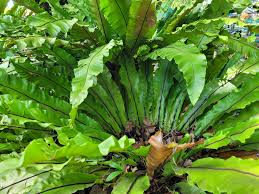
The Birds Nest Fern (Asplenium nidus) is a lush, vibrant fern characterized by its broad, bright green fronds that grow in a rosette pattern, resembling a bird's nest. It thrives in shaded, humid environments and adds a tropical touch to any interior or garden space.
Suggested Uses
Perfect for indoor plant displays, shaded garden beds, or as a container plant on patios. Its striking foliage makes it an excellent accent in both modern and tropical landscape designs.
Plant Details
-
 Botanical Name: Asplenium nidus
 -
 Common Name: Birds Nest Fern
 -
 Size & Growth: 2-3 ft in height and width; slow to moderate growth rate
 -
 Hardiness Zones: 9-11
 -
 Foliage Type: Broad, simple fronds
 -
 Bloom Time: Rarely flowers
 -
 Growth Rate: Slow to moderate
 -
 Light Requirements: Indirect bright to moderate light
 -
 Attracts Pollinators: No
 -
 Indoor Friendly: Yes
 -
 Container Friendly: Yes
 -
 Deer Resistant: Yes
 -
 Pet Warning: Toxic to pets if ingested
 -
 Fragrant: No
 -
 Cut Flower: No
 -
 Grows Well With: Other shaded tropical plants, ferns, and decorative container plants
Care Tips
-
 Planting Instructions: Use well-draining, rich soil in shaded or semi-shaded areas. Keep soil consistently moist.
 -
 Soil Moisture: Keep moist but not waterlogged
 -
 Soil Type: Rich, organic, and well-draining
 -
 Humidity: Prefers high humidity; mist regularly
 -
 Pruning Instructions: Remove dead or damaged fronds to maintain appearance and health
 -
 Winter Care: Protect from cold drafts; bring indoors in colder climates
 -
 Planting Depth: Plant at the same depth as in its nursery pot
 -
 Fertilization: Feed with a balanced liquid fertilizer monthly during growing season
 -
 Special Care: Avoid direct sunlight; ensure consistent moisture and humidity levels