

RedCrocus Ardisia Berry Red Live Plant (Ardisia crenata) - Evergreen Coralberry/Christmas Berry with Winter Red Berries, Bright Indirect Light Houseplant or Outdoor Patio Shrub 4" Pot
RedCrocus Ardisia Berry Red Live Plant (Ardisia crenata) - Evergreen Coralberry/Christmas Berry with Winter Red Berries, Bright Indirect Light Houseplant or Outdoor Patio Shrub 4" Pot
SKU:ber3048-redcrocus
Couldn't load pickup availability
Ardisia Berry Red
Glossy evergreen shrub with delicate spring blooms and long-lasting scarlet berries
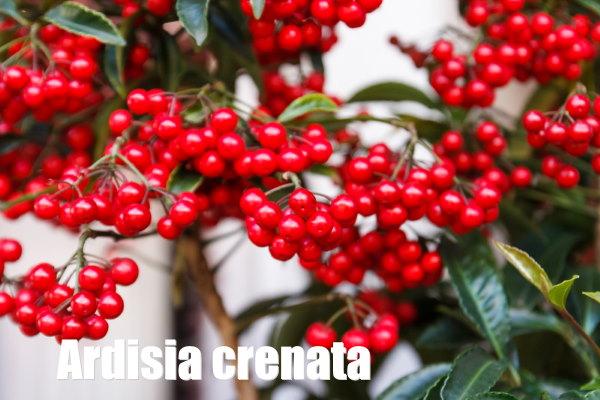
Ardisia Berry Red (commonly sold as Ardisia Berry or coralberry) is a compact, evergreen shrub prized for its glossy, deep-green foliage, dainty starry flowers, and brilliant clusters of red berries that often persist through winter. In warm climates it’s an attractive understory shrub for dappled shade; in cooler regions it makes an excellent, easy-care container or indoor plant that brings color and texture year-round. Berries follow late spring to early summer blooms and mature to festive red, making this plant a favorite for holiday displays.
Ardisia prefers consistently moist, well-drained, slightly acidic soil and bright, indirect light or partial shade. It grows slowly to moderately, forming a naturally tidy silhouette that responds well to light tip-pruning. Note: In some warm regions it can self-seed; remove unwanted berries to reduce spread. Berries and foliage can be harmful if ingested—keep away from pets and children.
-
 Botanical NameArdisia Berry Red (Ardisia crenata group)
-
 Common NameArdisia Berry; Coralberry; Christmas Berry
-
 Size & Growth2–6 ft tall and 2–4 ft wide (outdoors); 1.5–3 ft when grown in containers; naturally compact, easily kept smaller with light pruning
-
 Hardiness ZonesUSDA 8–11 outdoors; grow as a houseplant or seasonal container in colder zones
-
 Foliage TypeEvergreen; glossy, leathery leaves with softly wavy margins; deep green year-round
-
 Bloom TimeLate spring to early summer; berries color from late summer and often persist through winter
-
 Growth RateSlow to moderate; speeds up in warm, bright, humid conditions
-
 Light RequirementsBright, indirect light to partial shade; protect from harsh midday sun, morning sun is fine
-
 Attracts PollinatorsYes—small spring flowers draw bees and hoverflies; ripe berries may interest birds
-
 Indoor FriendlyExcellent houseplant in bright rooms; keep away from heat vents and cold drafts
-
 Container FriendlyThrives in containers with good drainage; ideal for patios, porches, and interiors
-
 Deer ResistantModerate—leathery foliage is not typically favored by deer
-
 Pet WarningToxic if ingested; berries and leaves may cause gastrointestinal upset. Keep away from pets and children
-
 FragrantLightly fragrant flowers; not overpowering
-
 Cut FlowerBerried stems are excellent for arrangements; condition like other woody cuts (last ~1–2 weeks)
-
 Grows Well WithGrows Well With Cast iron plant (Aspidistra), ferns (Cyrtomium, Nephrolepis), Heuchera, Begonia, Gardenia, Camellia—plants that enjoy bright shade and slightly acidic soil
-
 Planting InstructionsPlant at the same depth as in the nursery pot; set crown slightly above soil grade. Space 24–36 in apart. For containers, choose a pot 2–4 in wider than the rootball with drainage; gently tease circling roots and backfill with enriched mix.
-
 Soil MoistureKeep evenly moist but never waterlogged. Water when the top 1 inch of soil is dry; reduce slightly in winter. Avoid letting the rootball fully dry out.
-
 Soil TypeRich, well-drained, slightly acidic mix (pH 5.5–6.5). Blend high-quality potting soil with 20–30% fine bark or coco chips and 10–20% perlite for airflow.
-
 HumidityPrefers moderate to high humidity (50–60%+). Indoors, group plants, use a pebble tray, or run a small humidifier; avoid dry heat or cold drafts.
-
 Pruning InstructionsTip-prune after fruiting or late winter to maintain shape and encourage branching. Remove weak or crossing stems. Snip off unwanted berries to conserve energy and limit reseeding.
-
 Winter CareHardy outdoors in USDA 8–11. In marginal areas, mulch roots before cold snaps. In colder zones, bring containers indoors before temps drop below 50°F (10°C) and provide bright, indirect light.
-
 Planting DepthSet the root flare at soil level; do not bury the stem. In containers, finish soil line about 1 inch below the pot rim to allow for watering.
-
 FertilizationFeed lightly in spring and midsummer with a balanced, acid-loving fertilizer (e.g., slow-release 10-10-10 or organic equivalent). Do not overfeed; pause in late fall/winter.
-
 Special CareRotate monthly for even growth; wipe leaves to remove dust. Monitor for scale or mealybugs—treat early with insecticidal soap. If fruit drop is messy indoors, remove developing clusters. Repot every 2–3 years in spring.