Skip to product information
1 of 9

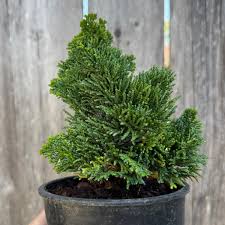
RedCrocus Chamaecyparis obtusa 'Filicoides' Hinoki Cypress Live Plant - Fern-Like Foliage, Narrow Upright Evergreen Landscape Conifer 1 Gallon Nursery Pot

RedCrocus Chamaecyparis obtusa 'Filicoides' Hinoki Cypress Live Plant - Fern-Like Foliage, Narrow Upright Evergreen Landscape Conifer 1 Gallon Nursery Pot

Regular price $90.00 USD
Regular price $117.00 USD Sale price $90.00 USD
Sale Sold out
Shipping calculated at checkout.

SKU:ber2d09-redcrocus

Pot Size

Chamaecyparis Ob. 'filicoides'

Evergreen Conifer

A graceful Hinoki cypress selection prized for its filigreed, fern‑like sprays and elegant, narrow habit—adding four‑season texture and structure to refined gardens and modern landscapes.

Description

Chamaecyparis Ob. 'filicoides' is a distinctive selection of Hinoki cypress known for its finely cut, lacey foliage that mimics fern fronds. Flattened, glossy sprays with threadlike extensions create a soft, feathery texture that holds a rich, deep green year‑round. The plant forms an upright, narrow pyramidal silhouette—refined enough for courtyard gardens yet bold enough to anchor mixed borders. Best performance comes in sun with evenly moist, well‑drained, slightly acidic soil. As a wind‑pollinated conifer, it produces inconspicuous pollen and seed cones rather than showy flowers.

Suggested Uses

Specimen/Accent Mixed Conifer Border Japanese/Asian‑style Gardens Foundation Plantings Screening (small‑scale) Backdrop for Perennials Container (young plants) Four‑Season Structure Woodland Edge

Plant Details

Botanical name icon
Botanical Name Chamaecyparis Ob. 'filicoides'
Common name icon
Common Name Chamaecyparis Ob. 'filicoides' (Hinoki cypress ‘Filicoides’)
Size and growth icon
Size & Growth Upright, narrow pyramidal; typically 15–25 ft tall and 6–10 ft wide at maturity; can reach 30+ ft in ideal conditions. Slow to moderate growth (about 6–12 in per year).
Hardiness zones icon
Hardiness Zones USDA Zones 5–8 (provide wind protection and mulch in colder or exposed sites).
Foliage type icon
Foliage Type Evergreen; glossy, flattened sprays with threadlike, fern‑like extensions; deep green year‑round.
Bloom time icon
Bloom Time Non‑flowering; inconspicuous pollen cones in spring and small seed cones thereafter.
Growth rate icon
Growth Rate Slow to moderate (approx. 6–12 inches per year under good conditions).
Light requirements icon
Light Requirements Full sun to light shade; best density in full sun with afternoon shade in hot summers.
Attracts pollinators icon
Attracts Pollinators No. Wind‑pollinated conifer; not a nectar source for bees or butterflies.
Indoor friendly icon
Indoor Friendly Not suitable as a houseplant; requires outdoor light and seasonal conditions.
Container friendly icon
Container Friendly Yes for young plants in large, well‑drained containers; plan to plant in ground long‑term.
Deer resistant icon
Deer Resistant Generally deer‑resistant; light browsing possible under heavy pressure.
Pet warning icon
Pet Warning Considered non‑toxic; ingestion of foliage or cones may cause mild GI upset. Avoid chewing on woody parts.
Fragrant icon
Fragrant Foliage/wood emit a pleasant, resinous aroma when crushed.
Cut flower icon
Cut Flower Not for flowers, but sprigs make excellent long‑lasting cut greens and wreath filler.
Grows well with icon
Grows Well With Japanese maples, azaleas/rhododendrons, heaths & heathers, ferns, hostas, pieris, hydrangeas, and other dwarf conifers.

Care Tips

Planting instructions icon
Planting Instructions Choose a sunny, well‑drained site. Dig a hole 2–3× wider than the root ball and no deeper. Loosen circling roots. Set the plant so the top of the root ball is level with (or slightly above) the surrounding soil. Backfill with native soil, water thoroughly, and mulch 2–3 in, keeping mulch off the trunk. Stake only in very windy sites.
Soil moisture icon
Soil Moisture Keep evenly moist, especially the first 2 growing seasons. Avoid waterlogging; do not allow extended drought—both can cause foliage bronzing or tip dieback.
Soil type icon
Soil Type Well‑drained loam or sandy loam is ideal; slightly acidic to neutral (pH ~5.5–6.8). In heavy clay, improve drainage or plant on a gentle mound.
Humidity icon
Humidity Average garden humidity is fine. Provide protection from drying winter winds; deep, occasional watering and mulch help in arid climates.
Pruning instructions icon
Pruning Instructions Minimal pruning. In late winter or early spring, remove dead or crossing twigs and lightly tip‑prune to shape. Do not cut back into old, leafless wood; Hinoki cypress does not reliably reshoot from bare stems.
Winter care icon
Winter Care Apply 2–3 in mulch in late fall. Water during mild winter thaws if the soil is dry. In exposed sites, use a burlap wind screen the first 1–2 winters to prevent desiccation; avoid de‑icing salt exposure.
Planting depth icon
Planting Depth Set with the root flare at or slightly above finished grade; in heavy soils, position the root ball 1–2 in proud of grade and feather soil to the edges.
Fertilization icon
Fertilization Each spring, apply a slow‑release, balanced or acid‑forming evergreen fertilizer per label rates. Avoid high‑nitrogen pushes late in the season; top‑dress with compost annually to build soil.
Special care icon
Special Care Monitor for spider mites in hot, dry weather and for scale insects; rinse foliage during prolonged drought to discourage mites. Ensure good air flow, avoid standing water, and keep mulch a few inches away from the trunk.
View full details