

RedCrocus Dwarf Mugo Pine 'Pumilio' (Pinus mugo) – Live Evergreen Conifer, Cold-Hardy Zones 2–7, Deer Resistant, Low-Maintenance, Slow-Growing, Great for Rock Gardens & Containers 3 Gallon Nursery Pot
RedCrocus Dwarf Mugo Pine 'Pumilio' (Pinus mugo) – Live Evergreen Conifer, Cold-Hardy Zones 2–7, Deer Resistant, Low-Maintenance, Slow-Growing, Great for Rock Gardens & Containers 3 Gallon Nursery Pot
Regular price
$180.00 USD
Regular price
$234.00 USD
Sale price
$180.00 USD
Unit price
per
Shipping calculated at checkout.
SKU:ber285c-redcrocus
Couldn't load pickup availability
Pinus Mugo 'pumilio'
Description
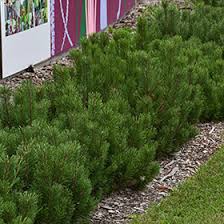
A compact, ground-hugging selection of mugo pine forming a dense, rounded-spreading mound of short, dark-green needles. Extremely hardy, wind- and salt-tolerant, and prized for its tidy habit and minimal maintenance in rock gardens, borders, and containers.
Suggested Uses
Rock and alpine gardens, front-of-border structure, foundation plantings, slopes and berms, coastal and urban sites, large containers, and bonsai training.
Plant Details
-
 Botanical Name: Pinus mugo 'Pumilio'
 -
 Common Name: Dwarf Mugo Pine (Pumilio)
 -
 Size & Growth: 2–3 ft tall x 4–6 ft wide in 10 years; ultimately 3–5 ft tall x 6–10+ ft wide; slow, compact spreader.
 -
 Hardiness Zones: USDA 2–7
 -
 Foliage Type: Evergreen conifer; short, stiff, deep-green needles (2 per fascicle) held densely on branching stems.
 -
 Bloom Time: Inconspicuous; pollen cones in spring. Seed cones mature in 2–3 years.
 -
 Growth Rate: Slow (about 1–3 in/yr with good conditions)
 -
 Light Requirements: Full sun; tolerates light shade but stays densest in sun.
 -
 Attracts Pollinators: No (wind-pollinated; provides shelter for wildlife)
 -
 Indoor Friendly: No — outdoor landscape or patio containers only.
 -
 Container Friendly: Yes — excellent long-term in large, well-drained containers.
 -
 Deer Resistant: Yes — seldom seriously damaged.
 -
 Pet Warning: Non-toxic to cats and dogs; ingestion of needles/cones may cause mild GI upset.
 -
 Fragrant: Light resinous pine scent when warmed or crushed.
 -
 Cut Flower: Not typical; short sprays useful for winter arrangements and wreaths.
 -
 Grows Well With: Heathers (Calluna/Erica), Juniperus, Sedum, Thymus, Festuca, dwarf spruces, and other sun-loving, well-drained companions.
Care Tips
-
 Planting Instructions: Plant in spring or fall. Dig a hole 2–3× the root ball width, set the root flare level with or slightly above grade, backfill with native soil, water to settle, and mulch 2–3 in, keeping mulch off the trunk.
 -
 Soil Moisture: Keep evenly moist the first season; once established, water deeply but infrequently. Avoid soggy or standing water conditions.
 -
 Soil Type: Well-drained sandy or gravelly loam; tolerates poor soils. pH slightly acidic to neutral (≈5.5–7.0).
 -
 Humidity: Very tolerant of low humidity, wind, road salt, and coastal exposure with good drainage.
 -
 Pruning Instructions: Minimal. In late spring, pinch back new “candles” by 1/2–2/3 to control size; avoid cutting into old wood without buds. Remove dead or damaged wood anytime.
 -
 Winter Care: Hardy to very cold climates. Water deeply before the ground freezes; mulch roots. In exposed sites, a temporary windbreak the first 1–2 winters helps prevent scorch.
 -
 Planting Depth: Keep the trunk flare visible; do not bury. In heavy clay, plant 1–2 in high to improve drainage.
 -
 Fertilization: Generally unnecessary. If desired, apply a light, slow-release, acid-forming conifer fertilizer in early spring; avoid high nitrogen and late-season feeding.
 -
 Special Care: Ensure sharp drainage (especially in containers). Repot container plants every 3–5 years. Monitor for pine needle scale and sawfly larvae; treat promptly if observed.