

RedCrocus Bird's Nest Spruce Live Plant - Picea abies 'nidimormis' Dwarf Evergreen Conifer, Cold-Hardy, Low Maintenance, Outdoor Landscape Shrub 3 Gallon Nursery Pot
RedCrocus Bird's Nest Spruce Live Plant - Picea abies 'nidimormis' Dwarf Evergreen Conifer, Cold-Hardy, Low Maintenance, Outdoor Landscape Shrub 3 Gallon Nursery Pot
Regular price
$260.00 USD
Regular price
$338.00 USD
Sale price
$260.00 USD
Unit price
per
Shipping calculated at checkout.
SKU:ber27d6-redcrocus
Couldn't load pickup availability
Picea Abies 'nidimormis'
Compact, nest-forming Norway spruce for year-round structure and texture
A hardy, low-maintenance evergreen valued for its dense, bird’s‑nest habit and finely textured dark-green needles. Ideal for foundations, rock gardens, and containers.
Description
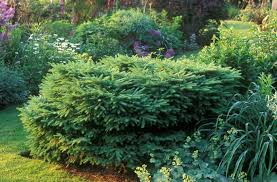
Picea Abies 'nidimormis' is a dwarf, mounding selection of Norway spruce with a distinctive bird’s‑nest form—branches radiate outward, creating a low, flattened crown with a shallow central depression. Tight needles emerge fresh green and mature to a rich, deep green, offering reliable year-round color. Exceptionally cold-hardy and wind-tolerant, this cultivar delivers tidy structure with minimal pruning and thrives in well-drained soils. Commonly used as a foundation accent, in conifer borders, or in rock and alpine gardens where its refined texture and compact habit shine. Often known in trade as “bird’s nest spruce.”
Suggested Uses
- Foundation and front‑of‑border accent
- Rock and alpine gardens
- Small-space and courtyard gardens
- Four-season structure in mixed beds
- Low hedge or edging mass
- Containers and planters
- Conifer and heather collections
- Winter interest and texture
Plant Details
-
 Botanical NamePicea Abies 'nidimormis'
-
 Common NamePicea Abies 'nidimormis' (Bird’s Nest Spruce type)
-
 Size & GrowthTypically 2–3 ft tall × 3–5 ft wide in 10 years; may mature to 4–6 ft tall × 6–10 ft wide with age; dense, nest‑forming habit.
-
 Hardiness ZonesUSDA 3–7; extremely cold-hardy once established.
-
 Foliage TypeEvergreen conifer; short, stiff needles in dense radial sprays; deep green all year.
-
 Bloom TimeProduces inconspicuous pollen and seed cones in spring; primary interest is foliage and form.
-
 Growth RateSlow; about 2–4 inches (5–10 cm) per year under average conditions.
-
 Light RequirementsFull sun to light/part shade; best density in full sun in cool summers; provide afternoon shade in hotter regions.
-
 Attracts PollinatorsWind‑pollinated; not a pollinator plant, but offers shelter and nesting sites for birds and beneficial insects.
-
 Indoor FriendlyNot suitable as a houseplant; best grown outdoors. Can be displayed in porch containers seasonally.
-
 Container FriendlyYes, for many years when young. Use a large, well‑drained pot and protect roots in winter in cold zones.
-
 Deer ResistantGenerally deer‑resistant, though light browsing may occur if forage is scarce.
-
 Pet WarningGenerally considered non‑toxic; ingestion of sharp needles may cause mild GI upset. Keep pets from chewing branches.
-
 FragrantNot notably fragrant in the landscape; needles and twigs have a pleasant resinous scent when crushed.
-
 Cut FlowerNot used as a cut flower; small boughs are useful for winter greens and arrangements.
-
 Grows Well WithGrows Well With Heathers (Calluna, Erica), dwarf pines (Pinus mugo), junipers, sedums, Heuchera, Japanese forest grass (Hakonechloa), hellebores, low barberry.
Note: Where cultivar-specific data varies, values reflect typical performance of dwarf, bird’s‑nest forms of Norway spruce in average garden conditions.
Care Tips
-
 Planting InstructionsPlant in spring or early fall. Choose a sunny site with good air flow. Dig a hole 2–3× the width of the root ball, same depth; loosen circling roots. Set with the root flare at or slightly above grade, backfill, and water thoroughly.
-
 Soil MoistureKeep evenly moist the first 1–2 years. Once established, moderately drought‑tolerant; water during prolonged dry spells (about 1″ per week). Avoid waterlogged soils.
-
 Soil TypeWell‑drained loam or sandy loam; slightly acidic to neutral (pH 5.5–7.0). Amend heavy clay with coarse sand/grit and compost or plant on a gentle berm.
-
 HumidityAverage outdoor humidity is fine. Mulch to buffer soil moisture in hot, dry climates; provide some afternoon shade in areas with intense summer heat.
-
 Pruning InstructionsMinimal pruning needed. In late winter or very early spring, remove dead or crossing wood. To maintain the “nest” form, pinch or shorten any strong vertical shoots; avoid cutting into bare, old wood and avoid tight shearing.
-
 Winter CareHardy to Zone 3. Apply a 2–3″ mulch in late fall, keeping it off the trunk. Water deeply before freeze. Shelter new plantings from drying winds. In containers, overwinter pots in a protected, unheated space or heel them into soil.
-
 Planting DepthSet at the same depth as in the nursery pot; the root flare should be visible and slightly above the final soil line. Do not bury the crown.
-
 FertilizationLight feeder. In early spring, apply a slow‑release, balanced fertilizer or conifer‑specific feed if growth is sparse. Compost top‑dressing annually often suffices. Avoid high‑nitrogen fertilization late in the season.
-
 Special CareProvide space for mature width; avoid reflected heat and soggy sites. Monitor for spruce spider mites (rinse foliage and encourage beneficials). Ensure good air circulation to reduce needle cast. If a strong leader forms, remove it to preserve the low, nest‑like habit.