

RedCrocus Helleborus × ballardiae HGC 'Jasper' White Christmas Rose – Evergreen Shade Perennial, Winter-Blooming, Deer Resistant, Pollinator, Container Friendly Live Plant 6"
RedCrocus Helleborus × ballardiae HGC 'Jasper' White Christmas Rose – Evergreen Shade Perennial, Winter-Blooming, Deer Resistant, Pollinator, Container Friendly Live Plant 6"
Regular price
$74.00 USD
Regular price
$96.20 USD
Sale price
$74.00 USD
Unit price
per
Shipping calculated at checkout.
SKU:ber27a2-redcrocus
Couldn't load pickup availability
Helleborus Jasper White Christmas Rose
Description
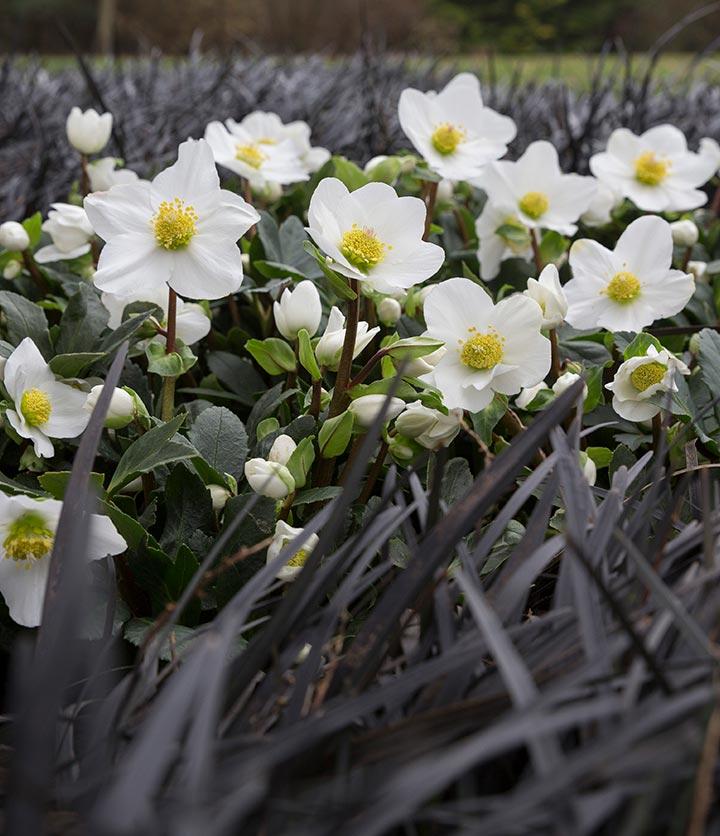
A compact, evergreen hellebore with pristine white, outward-facing blooms that age to soft blush tones over glossy, leathery foliage. Flowering in the coldest months, it provides reliable winter interest and early nectar for pollinators. Clump-forming and long-lived, ideal for shaded beds and containers.
Suggested Uses
Perfect for winter containers, woodland gardens, shaded borders, foundation plantings, and as a front-of-border accent. Excellent for cutting or floating blooms in bowls for indoor display.
Plant Details
-
 Botanical Name: Helleborus × ballardiae HGC 'Jasper'
 -
 Common Name: Jasper Christmas Rose; Hellebore
 -
 Size & Growth: 12–18 in. tall x 18–24 in. wide; clump-forming, evergreen perennial
 -
 Hardiness Zones: USDA 5–8 (heat tolerant to AHS 7–8 with shade and moisture)
 -
 Foliage Type: Evergreen, leathery, palmate leaves; deep glossy green
 -
 Bloom Time: Late winter to early spring (Dec–Mar, timing varies by climate)
 -
 Growth Rate: Moderate; long-lived once established
 -
 Light Requirements: Partial to full shade; morning sun with afternoon shade is ideal; protect from hot afternoon sun
 -
 Attracts Pollinators: Provides early pollen/nectar for bees and hoverflies in mild winter spells
 -
 Indoor Friendly: Best outdoors; suitable for short-term indoor display in a cool, bright room only
 -
 Container Friendly: Yes—thrives in 12"+ diameter containers with excellent drainage
 -
 Deer Resistant: Yes; also generally rabbit-resistant
 -
 Pet Warning: Toxic if ingested; sap may irritate skin—keep away from pets and children
 -
 Fragrant: Lightly fragrant in mild weather
 -
 Cut Flower: Excellent; harvest when flowers are mature (sepals feel papery) for longest vase life or float blooms in water
 -
 Grows Well With: Snowdrops, crocus, epimedium, pulmonaria, heuchera, ferns, carex, hosta, spring bulbs
Care Tips
-
 Planting Instructions: Plant with the crown at or just above soil level; space 18–24 in. apart. Choose a sheltered site with winter shade and good air flow. Avoid disturbing established clumps.
 -
 Soil Moisture: Keep evenly moist but never waterlogged; modest drought tolerance once established with mulch
 -
 Soil Type: Rich, well-drained loam with added compost; pH neutral to slightly alkaline preferred (add lime if very acidic)
 -
 Humidity: Average outdoor humidity is ideal; ensure good air circulation to minimize leaf spot in warm, humid climates
 -
 Pruning Instructions: In late winter, remove tattered or diseased leaves before buds open. Deadhead if you wish to prevent self-seeding.
 -
 Winter Care: Mulch lightly after the ground freezes to reduce heaving; protect from standing water and harsh wind. Leaves may scorch—trim as needed.
 -
 Planting Depth: Do not bury the crown; set so growth points sit at the soil surface or 0.5 in. high to prevent rot
 -
 Fertilization: Top-dress with compost in spring; apply a balanced, slow-release fertilizer after flowering if growth is light; avoid excess nitrogen
 -
 Special Care: Hellebores resent transplanting—plant once, then leave undisturbed. Monitor for aphids, slugs, and leaf spot; remove affected foliage promptly.