

RedCrocus Thuja 'Morgan' Lime Green Arborvitae Live Plant, Compact Evergreen for Low Hedge, Screen & Containers, Cold Hardy Zones 5-9 1 Gallon Nursery Pot
RedCrocus Thuja 'Morgan' Lime Green Arborvitae Live Plant, Compact Evergreen for Low Hedge, Screen & Containers, Cold Hardy Zones 5-9 1 Gallon Nursery Pot
SKU:ber2514-redcrocus
Couldn't load pickup availability
Thuja Morgan Lime Green Arborvitae
Description
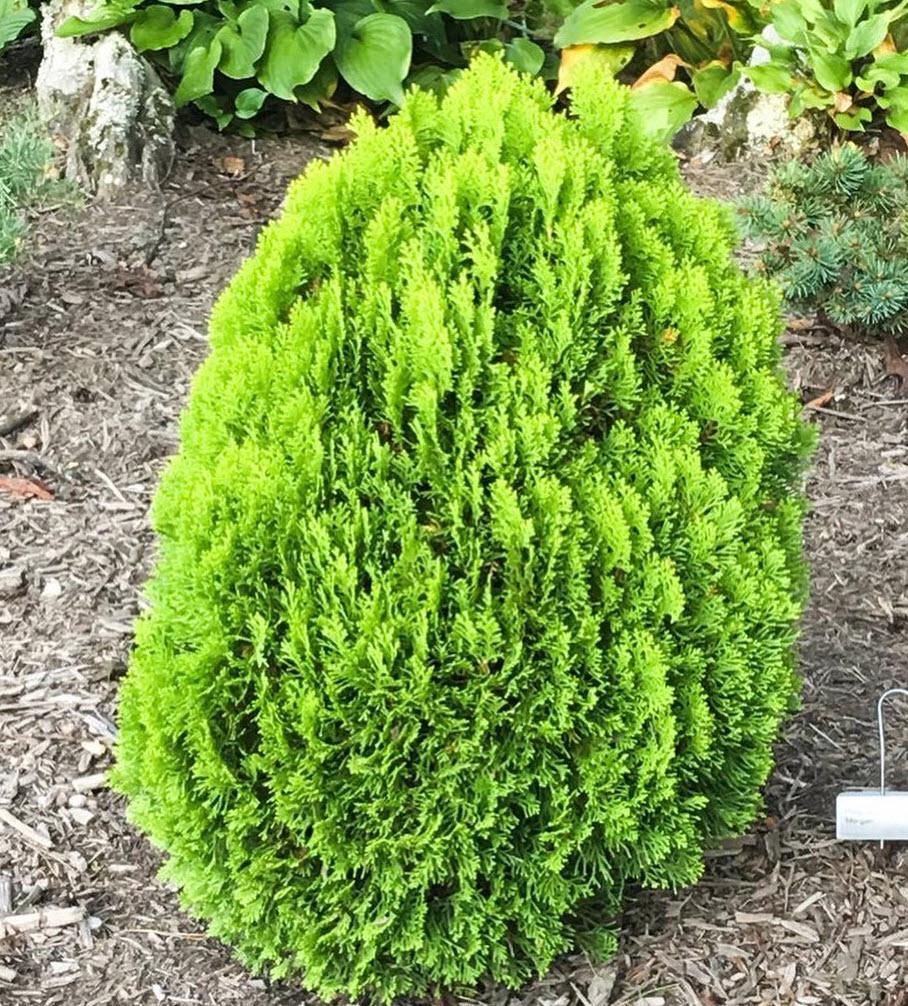
Thuja Morgan is a tidy, upright evergreen prized for its fresh lime-green coloration and neat, dense habit. Its soft, scale-like sprays hold color well through summer, taking on rich golden-bronze tints in colder months for four-season appeal. Naturally compact and low-maintenance, it performs reliably in full sun to light shade with modest water needs once established.
Suggested Uses
-

Low Hedge or Informal Screen
Plant in a single row 3–4 ft apart for a soft, evergreen boundary that stays manageable without heavy shearing.
-

Containers & Entryways
Great in large pots flanking doors or along patios; pair with seasonal color or trailing accents.
-

Foundation Planting
Neat, upright habit complements modern and traditional architecture without overwhelming windows or paths.
-

Cut Greenery
Sprigs add texture and fragrance to wreaths and winter arrangements.
Plant Details
-
 Botanical NameThuja Morgan Lime Green Arborvitae
-
 Common NameThuja Morgan
-
Size & GrowthTypically 5–8 ft tall and 3–4 ft wide at maturity; naturally upright, compact cone; 4–8 in of new growth per year in average conditions.
-
 Hardiness ZonesUSDA Zones 5–9 (protect from extreme winter wind in colder sites).
-
 Foliage TypeEvergreen, soft scale-like sprays; lime-green in spring/summer, taking on warm golden-bronze tones in winter.
-
 Bloom TimeInconspicuous; produces small cones mainly in spring—grown for foliage rather than flowers.
-
 Growth RateSlow to moderate.
-
 Light RequirementsFull sun to light shade (best color and density in 6+ hours of sun).
-
 Attracts PollinatorsNot a notable nectar source; does provide cover and nesting habitat for small birds and beneficial insects.
-
 Indoor FriendlyBest outdoors; not recommended as a long-term houseplant.
-
Container FriendlyYes—thrives in large, well-drained containers; up-pot as it grows or transplant to the landscape after several years.
-
 Deer ResistantLow. Deer may browse foliage—use repellents or protection where deer pressure is high.
-
 Pet WarningGenerally considered low-toxicity, but ingestion of foliage can cause mild GI upset; discourage chewing.
-
 FragrantFoliage emits a pleasant, resinous scent when brushed or cut.
-
Cut FlowerUsed as cut greenery rather than flowers; long-lasting in arrangements when kept hydrated.
-
Grows Well WithGrows Well With Boxwood, dwarf juniper, ornamental grasses, spirea, barberry, lavender, salvia, heuchera, and seasonal annuals in containers.
Care Tips
-
 Planting InstructionsPlant spring to early fall. Dig a hole 2× as wide as the root ball and just as deep. Tease circling roots, set the crown level with the surrounding soil, backfill with native soil, water thoroughly, and mulch 2–3 in, keeping mulch off the trunk.
-
 Soil MoistureMaintain even moisture the first growing season; water deeply when the top 2 in of soil are dry. Once established, moderately drought tolerant—avoid soggy conditions.
-
 Soil TypeWell-drained loam or sandy loam; tolerates a range of soils from slightly acidic to slightly alkaline (pH ~6.0–7.8).
-
 HumidityAdaptable to varied humidity; ensure good air flow to reduce foliar disease in humid climates.
-
 Pruning InstructionsMinimal pruning needed. Lightly shear or tip-prune once after spring flush to shape. Avoid heavy cuts into bare wood, which may not resprout.
-
 Winter CareWater well before ground freeze and maintain mulch. In windy, Zone 5 sites, consider windbreaks or burlap wrap to limit desiccation and snow load.
-
 Planting DepthSet the top of the root ball level with or slightly above the surrounding grade; never bury the trunk flare.
-
 FertilizationIn early spring, apply a balanced, slow-release, acid-forming fertilizer for evergreens per label rates; avoid late-summer feeding.
-
 Special CareProvide 6+ hrs of sun for best density. Monitor for bagworms and spider mites; treat early if observed. Protect young plants from deer browsing with wraps or repellents.