

RedCrocus Aeonium Zwartkopf Succulent- Dark Green to Black Rosette Plant for Garden & Container | Drought Tolerant & Pet Warning 4" Pot (Pack of 2)
RedCrocus Aeonium Zwartkopf Succulent- Dark Green to Black Rosette Plant for Garden & Container | Drought Tolerant & Pet Warning 4" Pot (Pack of 2)
Regular price
$36.00 USD
Regular price
$46.80 USD
Sale price
$36.00 USD
Unit price
per
Shipping calculated at checkout.
SKU:ber24e1-redcrocus
Couldn't load pickup availability
Succulent - Aeonium Zwartkopf
Description
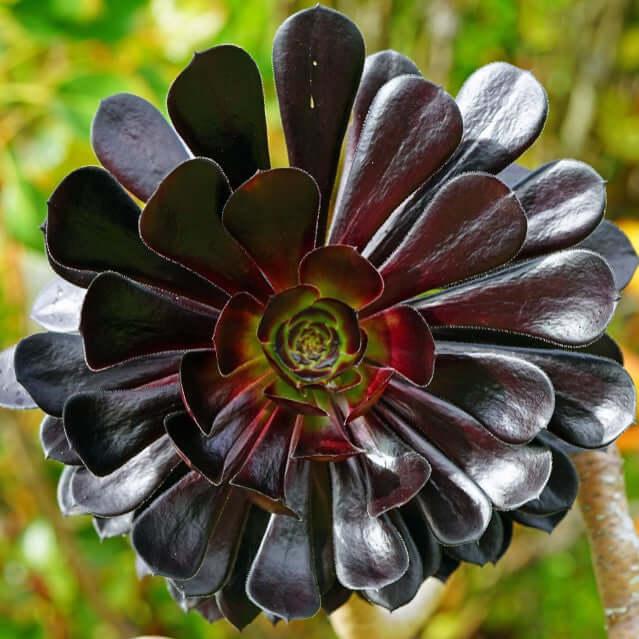
Starting as a rosette of dark green, almost black, leaves, Aeonium Zwartkopf develops tall, branching stems with vibrant, eye-catching rosettes. Perfect for adding unique texture and color to your garden or container arrangements.
Suggested Uses
Ideal for rock gardens, succulent gardens, container displays, and as a striking focal point in landscape borders. Its drought-tolerant nature makes it suitable for xeriscaping.
Plant Details
-
 Botanical Name: Succulent - Aeonium Zwartkopf
 -
 Common Name: Succulent - Aeonium
 -
 Size & Growth: Typically grows up to 1-2 feet tall with a spread of about 1 foot, forming rosettes that can reach 8-10 inches in diameter.
 -
 Hardiness Zones: 9-11
 -
 Foliage Type: Rosette-forming succulent with fleshy, dark green to black leaves.
 -
 Bloom Time: Late winter to early spring, producing small yellow star-shaped flowers.
 -
 Growth Rate: Moderate, about 3-6 inches per year under optimal conditions.
 -
 Light Requirements: Bright, direct sunlight preferred; tolerates some shade.
 -
 Attracts Pollinators: Yes, especially bees and butterflies during flowering season.
 -
 Indoor Friendly: Yes, requires bright light indoors.
 -
 Container Friendly: Perfect for pots and planters.
 -
 Deer Resistant: Yes.
 -
 Pet Warning: Contains saponins that are toxic to pets if ingested in large quantities.
 -
 Fragrant: No.
 -
 Cut Flower: Yes, blooms can be cut for floral arrangements.
 -
 Grows Well With: Other succulents, cacti, agave, and xeriscape plants.
Care Tips
-
 Planting Instructions: Use well-draining soil; plant in full sun to partial shade.
 -
 Soil Moisture: Water sparingly; allow soil to dry out completely between watering.
 -
 Soil Type: Sandy or gravelly, well-draining soil.
 -
 Humidity: Tolerates dry air; avoid excess humidity.
 -
 Pruning Instructions: Remove dead or damaged leaves to promote healthy growth.
 -
 Winter Care: Protect from frost; bring indoors in zones below 9.
 -
 Planting Depth: Plant just deep enough to stabilize the root ball.
 -
 Fertilization: Feed with a diluted cactus or succulent fertilizer during the growing season.
 -
 Special Care: Avoid overwatering; ensure excellent drainage to prevent root rot.