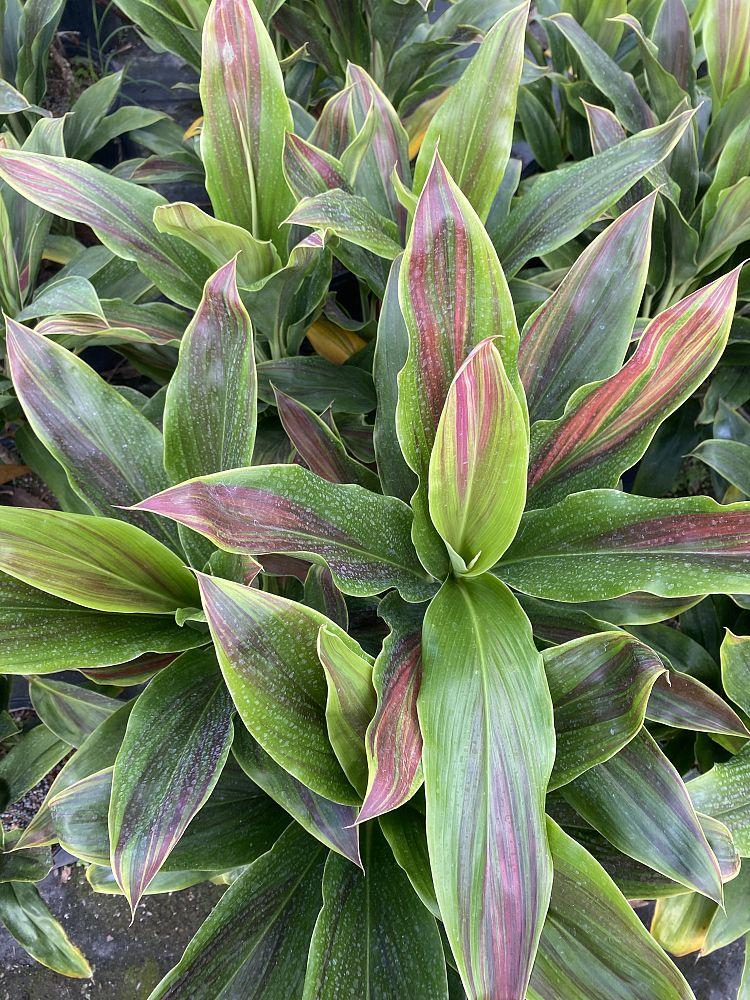


RedCrocus Cordyline Fruticosa Silver Lining- Tropical Plant for Indoors & Gardens, Uniquely Variegated Foliage, Easy Care, Perfect for Containers & Landscape Design 10" Pot
RedCrocus Cordyline Fruticosa Silver Lining- Tropical Plant for Indoors & Gardens, Uniquely Variegated Foliage, Easy Care, Perfect for Containers & Landscape Design 10" Pot
Regular price
$132.00 USD
Regular price
$171.60 USD
Sale price
$132.00 USD
Unit price
per
Shipping calculated at checkout.
SKU:ber2381-redcrocus
Couldn't load pickup availability
Cordyline Fruticosa Silver Lining
Description
A vibrant tropical shrub featuring striking silver variegated foliage, growing up to 6 feet tall. Known for its adaptability and lush appearance, it is a popular choice for adding color and texture to gardens and indoor spaces.
Suggested Uses
Ideal for garden borders, container planting, tropical gardens, and indoor decoration. Its showy foliage makes it a focal point in landscape designs.
Plant Details
-
 Botanical Name: Cordyline Fruticosa Silver Lining
-
 Common Name: Ti Plant, Cordyline
-
 Size & Growth: Up to 6 ft tall and 3 ft wide, with fast growth rates under optimal conditions.
-
 Hardiness Zones: 10-11
-
 Foliage Type: Evergreen, Broadleaf
-
 Bloom Time: Spring to early summer
-
 Growth Rate: Moderate to fast
-
 Light Requirements: Bright, indirect sunlight to partial shade
-
 Attracts Pollinators: Yes
-
 Indoor Friendly: Yes
-
 Container Friendly: Yes
-
 Deer Resistant: Yes
-
 Pet Warning: Contains toxic compounds; keep away from pets and children.
-
 Fragrant: No
-
 Cut Flower: Yes
-
 Grows Well With: Ferns, begonias, and tropical plants
Care Tips
-
 Planting Instructions: Choose a well-draining soil in a location with adequate light. Water regularly to keep soil moist but not waterlogged.
-
 Soil Moisture: Maintain evenly moist soil; avoid overwatering.
-
 Soil Type: Loamy, well-draining soil
-
 Humidity: Prefers moderate to high humidity
-
 Pruning Instructions: Trim dead or damaged leaves to encourage healthy growth.
-
 Winter Care: Protect from frost; bring indoors in cooler climates.
-
 Planting Depth: Plant at the same depth as in nursery pots.
-
 Fertilization: Feed monthly during active growing season with a balanced fertilizer.
-
 Special Care: Avoid cold drafts and direct strong winds outdoors.