

RedCrocus Green Mountain Boxwood (Buxus) Live Evergreen Shrub, Upright Pyramidal Form for Hedges & Containers, Outdoor, Full Sun to Part Shade, Hardy Zones 4-9 1 Gallon Nursery Pot
RedCrocus Green Mountain Boxwood (Buxus) Live Evergreen Shrub, Upright Pyramidal Form for Hedges & Containers, Outdoor, Full Sun to Part Shade, Hardy Zones 4-9 1 Gallon Nursery Pot
Regular price
$60.00 USD
Regular price
$78.00 USD
Sale price
$60.00 USD
Unit price
per
Shipping calculated at checkout.
SKU:ber21c3-redcrocus
Couldn't load pickup availability
Buxus Green Mountain Bush
Evergreen boxwood with naturally upright, pyramidal form
Evergreen
Formal Hedges & Topiary
Cold Hardy
Deer Resistant
Container Friendly
Description
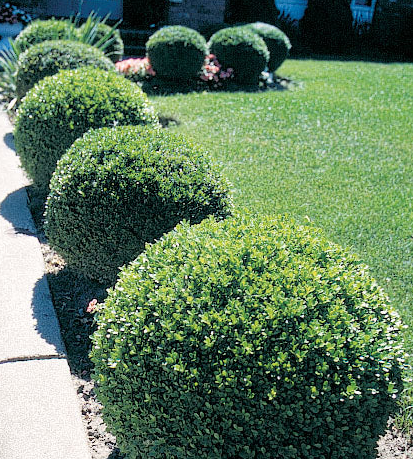
Renowned for its dense, upright habit, Buxus Green Mountain Bush forms a naturally pyramidal evergreen perfect for clipped hedges, foundation plantings, and topiary. Small, glossy leaves hold a rich green color through the seasons with minimal winter bronzing when properly sited. With a slow-to-moderate growth rate, it’s easy to maintain at formal heights, yet capable of maturing into a graceful 5–7 ft specimen. Tough, versatile, and deer resistant, Green Mountain offers year-round structure in both beds and large containers.
Suggested Uses
Low to medium formal hedges (2–5 ft)
Topiary: cones, pyramids, spirals
Containers at entries and patios
Foundation plantings
Parterres & knot gardens
Year-round structure in mixed borders
Plant Details
-
 Botanical NameBuxus Green Mountain Bush
-
 Common NameBuxus Green Mountain
-
 Size & Growth5–7 ft tall × 3–5 ft wide at maturity; naturally upright, pyramidal habit; easily maintained smaller with pruning.
-
 Hardiness ZonesUSDA 4–9; protect from harsh winter wind/sun in colder zones.
-
 Foliage TypeEvergreen broadleaf; small, glossy leaves; retains rich green with minimal bronzing when well-sited.
-
 Bloom TimeSpring (often March–April); tiny yellow‑green, inconspicuous but mildly fragrant blossoms.
-
 Growth RateSlow to moderate (approximately 4–8 inches per year, site dependent).
-
 Light RequirementsFull sun to partial shade; provide afternoon shade in hotter climates for best color and vigor.
-
 Attracts PollinatorsModestly; spring flowers offer nectar to bees and small pollinators.
-
 Indoor FriendlyNot recommended as a houseplant; best grown outdoors year‑round.
-
 Container FriendlyYes; thrives in large, well‑drained containers with consistent moisture.
-
 Deer ResistantYes; typically avoided by deer and rabbits.
-
 Pet WarningToxic if ingested (leaves/twigs); keep away from pets and livestock.
-
 FragrantFlowers are lightly fragrant; foliage has a resinous scent when brushed or pruned.
-
 Cut FlowerFoliage is excellent for wreaths and arrangements; blooms are not typically used.
-
 Grows Well WithGrows Well With Hydrangea, Hellebores, Hostas, Heuchera, Roses, Japanese Forest Grass, Lavender (neutral to alkaline soils), and perennial geraniums.
Care Tips
-
 Planting InstructionsPlant in spring or early fall. Dig a hole 2–3× the width of the root ball and the same depth, set straight, backfill with native soil, water to settle, and mulch 2–3 in (keep mulch off the stem).
-
 Soil MoistureKeep evenly moist, especially the first 1–2 seasons. Avoid soggy conditions; allow the top inch of soil to dry slightly between waterings.
-
 Soil TypeWell‑drained loam or sandy loam; prefers pH 6.5–7.5. Improve drainage in heavy clay with compost and raised beds if needed.
-
 HumidityAverage outdoor humidity is ideal. Reduce winter desiccation with mulch and wind protection in exposed sites.
-
 Pruning InstructionsLightly shear after spring flush (late spring) to shape. Do structural pruning in late winter. Avoid hard cuts in late summer; always sanitize tools.
-
 Winter CareWater deeply before the ground freezes, apply 2–3 in mulch, and consider burlap windbreaks on exposed sites. Protect from road salt spray.
-
 Planting DepthSet the root flare at or slightly above surrounding grade; do not bury the crown. Tease or score circling roots on container plants.
-
 FertilizationFeed lightly in early spring with a balanced, slow‑release fertilizer or compost. Avoid high‑nitrogen feeding after midsummer; soil test when possible.
-
 Special CareEnsure good air circulation and water at the base to limit disease. Monitor for boxwood leafminer, psyllids, and mites; treat early if detected. Rotate container plants periodically for even light exposure.
Note: Boxwoods prefer consistent moisture and excellent drainage. Proper siting and sanitation are key to minimizing boxwood blight and winter bronzing.