

RedCrocus Janed Gold Arborvitae Live Plant - Thuja occidentalis 'Janed Gold' (Golden Smaragd) - Golden Evergreen for Narrow Hedges, Privacy Screens & Containers, Cold Hardy Zones 4-8 1 Quart Pot
RedCrocus Janed Gold Arborvitae Live Plant - Thuja occidentalis 'Janed Gold' (Golden Smaragd) - Golden Evergreen for Narrow Hedges, Privacy Screens & Containers, Cold Hardy Zones 4-8 1 Quart Pot
SKU:ber1ae7-redcrocus
Couldn't load pickup availability
Thuja Occ. Janed Gold Gold Arborvitae
Description
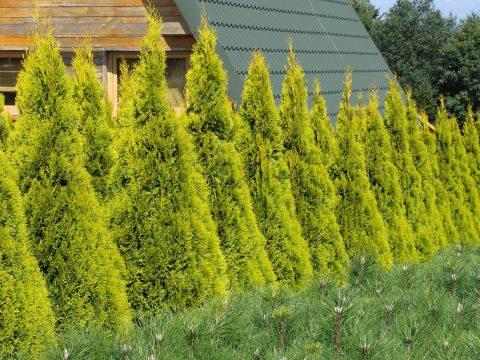
Thuja occidentalis ‘Janed Gold’ (often sold as Janed Gold or Golden Smaragd) is a narrow, naturally tidy selection of American arborvitae prized for its glowing, golden-yellow sprays that retain color through all seasons. The dense, upright habit delivers a strong vertical accent without overwhelming small spaces.
New growth emerges bright chartreuse to gold, maturing to rich golden tones with the best color in full sun. Cold-hardy and low-maintenance, it forms a living column that’s excellent for foundation planting, formal hedging, or containers. Like most T. occidentalis, it appreciates consistent moisture and protection from deer where browsing pressure is high.
Suggested Uses
- Formal or informal hedging and narrow privacy screens
- Vertical accent in mixed borders and foundation plantings
- Year-round color contrast with blue and silver conifers
- Entryway or patio containers (large, well-drained planters)
- Low-maintenance structure plant for modern landscapes
- Wind-filter and snow-screen in exposed sites (with winter wrap as needed)
Plant Details
-
 Botanical NameThuja Occ. Janed Gold Gold Arborvitae (Thuja occidentalis ‘Janed Gold’)
-
 Common NameThuja Occ. Janed Gold; Golden Smaragd Arborvitae
-
 Size & Growth8–10 ft tall × 2–3 ft wide in 10 years; ultimately 10–12 ft; naturally columnar, dense branching
-
 Hardiness ZonesUSDA Zones 4–8 (cold hardy; protect from desiccating winter winds)
-
 Foliage TypeEvergreen, scale-like sprays; bright golden-yellow, deepest in full sun
-
 Bloom TimeNot grown for flowers; produces small, inconspicuous cones in spring–summer
-
 Growth RateSlow to moderate (6–12 inches per year with good care)
-
 Light RequirementsFull sun to light shade; 6+ hours sun for best golden color
-
 Attracts PollinatorsLow—wind-pollinated conifer; not a primary pollinator plant
-
 Indoor FriendlyNo; best grown outdoors in-ground or in outdoor containers
-
 Container FriendlyYes—large planters (18–24"+) with regular watering; protect pot in winter in cold zones
-
 Deer ResistantNo; deer readily browse T. occidentalis—use fencing or repellents where deer are present
-
 Pet WarningGenerally considered non-toxic; ingestion may cause mild GI upset; sap can irritate sensitive skin
-
 FragrantYes—resinous, cedar-like aroma when foliage is rubbed or cut
-
 Cut FlowerUseful as long-lasting evergreen greenery in arrangements and wreaths
-
 Grows Well WithGrows Well With Dwarf conifers, boxwood, heathers, hydrangeas, ornamental grasses, salvia, nepeta (catmint)
Note: Sizes and hardiness can vary slightly by site and climate; provide consistent moisture and wind protection for best year-round color and form.
Care Tips
-
 Planting InstructionsPlant in spring or early fall. Dig a hole 2–3× wider than the root ball, same depth. Set the root flare level with or slightly above soil. Backfill with native soil, water thoroughly, and mulch 2–3 inches, keeping mulch off the trunk.
-
 Soil MoistureKeep evenly moist, especially the first 1–2 years. Deeply water weekly during dry spells (about 1 inch per week). Avoid waterlogging but do not allow the root ball to dry out.
-
 Soil TypeWell-drained loam or sandy loam; tolerates light clay if drainage is good. pH 6.0–7.5 preferred. Incorporate compost to improve structure.
-
 HumidityAverage outdoor humidity is fine. In exposed sites, provide wind protection to reduce winter desiccation.
-
 Pruning InstructionsMinimal pruning needed. Tip-prune lightly after spring flush to maintain shape. Avoid cutting back into old brown wood. Shear hedges in late spring or mid-summer. Sanitize tools between plants.
-
 Winter CareWater deeply before ground freezes, maintain 2–3 inches of mulch, and consider burlap wrapping in windy or sunny exposures to prevent burn. Tie loosely to prevent splaying from snow/ice. Keep away from road salt.
-
 Planting DepthSet with the top of the root ball level with surrounding soil; ensure the trunk flare is visible. Do not bury the stem or mound soil against the bark.
-
 FertilizationIn early spring, apply a slow‑release, balanced fertilizer at label rates if soil is poor; otherwise, annual compost top-dressing is sufficient. Avoid high nitrogen late in the season.
-
 Special CareProtect from deer with fencing/repellents. Space 24–36 inches on center for hedges. Monitor for bagworms and spider mites; treat promptly. In containers, use a large pot with drainage and shelter pots in an unheated garage in the coldest months.