

RedCrocus Weeping Blue Atlas Cedar (Serpentine) - Cedrus atlantica 'Glauca Pendula' Live Plant, Silver-Blue Evergreen Conifer, Deer Resistant, Full Sun, Outdoor Specimen Tree 10 Gallon Nursery Pot
RedCrocus Weeping Blue Atlas Cedar (Serpentine) - Cedrus atlantica 'Glauca Pendula' Live Plant, Silver-Blue Evergreen Conifer, Deer Resistant, Full Sun, Outdoor Specimen Tree 10 Gallon Nursery Pot
Regular price
$780.00 USD
Regular price
$1,014.00 USD
Sale price
$780.00 USD
Unit price
per
Shipping calculated at checkout.
SKU:ber12df-redcrocus
Couldn't load pickup availability
Cedrus Atlantica Glauca Pendula Serpintine
Description
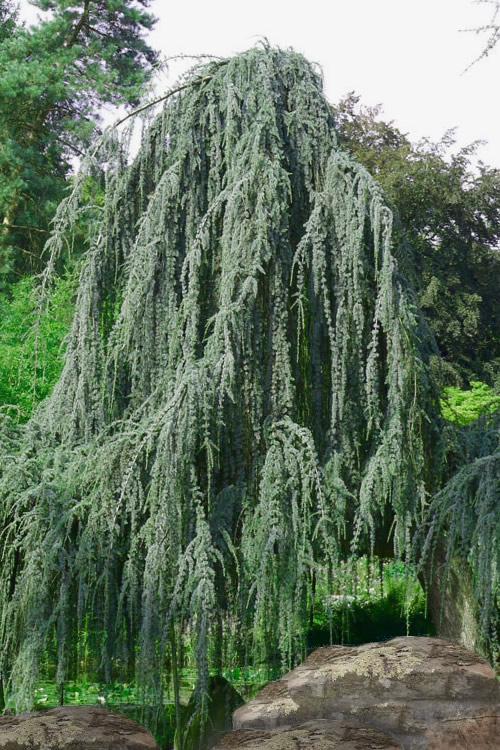
A sculptural, weeping form of Blue Atlas Cedar trained in a serpentine habit. Cascading branches carry dense, silver‑blue needles year-round, creating a dramatic, architectural evergreen specimen with a winding trunk when staked.
Suggested Uses
Striking focal point for entries, courtyards, and modern or Japanese-inspired gardens; draped over walls or boulders; along paths and water features; trained horizontally in narrow beds; specimen in rock and xeric landscapes.
Plant Details
-
 Botanical Name: Cedrus Atlantica Glauca Pendula Serpintine
 -
 Common Name: Weeping Blue Atlas Cedar (Serpentine form)
 -
 Size & Growth: 10–15 ft tall when staked; 8–20+ ft spread depending on training over 10–15 years; 6–12 in (15–30 cm) new growth per year
 -
 Hardiness Zones: USDA 6–9
 -
 Foliage Type: Evergreen conifer; short, stiff, silver‑blue needles in clusters
 -
 Bloom Time: Non-flowering; inconspicuous cones form with age
 -
 Growth Rate: Slow to moderate
 -
 Light Requirements: Full sun (6+ hours daily)
 -
 Attracts Pollinators: No – wind‑pollinated conifer
 -
 Indoor Friendly: No – outdoor landscape tree
 -
 Container Friendly: Yes, for several years in a large, well‑drained container; ultimately best in the ground
 -
 Deer Resistant: Yes – typically avoided by deer
 -
 Pet Warning: Non-toxic to cats and dogs; ingestion of needles may cause mild stomach upset
 -
 Fragrant: Subtly resinous, aromatic foliage and wood
 -
 Cut Flower: No – best appreciated as a living specimen
 -
 Grows Well With: Dwarf conifers (Juniperus, Pinus mugo), lavender, Russian sage (Salvia yangii), Festuca grasses, sedum, yucca
Care Tips
-
 Planting Instructions: Plant in full sun with excellent drainage. Dig a hole 2–3× wider than the root ball and the same depth. Set the root flare at or slightly above grade, backfill with native soil, and water deeply. Stake a leader to rebar or a sturdy post to create the serpentine, tying with soft, adjustable ties.
 -
 Soil Moisture: Keep evenly moist the first season; allow the top inch of soil to dry between waterings. Once established, water deeply but infrequently during prolonged dry spells.
 -
 Soil Type: Well‑drained sandy or loamy soils; pH 6.0–7.5. Avoid compacted or waterlogged clay.
 -
 Humidity: Average outdoor humidity; provide good air circulation and avoid cramped corners or reflected heat pockets in hot climates.
 -
 Pruning Instructions: Minimal pruning. In late winter/early spring remove dead or crossing wood and lightly tip‑prune to refine. Do not shear. Continue training by redirecting the leader along the support to extend the serpentine form.
 -
 Winter Care: Mulch 2–3 in over the root zone (keep off trunk). Water well before the ground freezes in colder areas. Protect young plants from harsh wind and brush off heavy snow to prevent limb breakage. Avoid road‑salt spray.
 -
 Planting Depth: Position with the top of the root ball 0.5–1 in above surrounding soil; keep the trunk flare visible and mulch pulled back from the stem.
 -
 Fertilization: Feed lightly in early spring with a balanced, slow‑release evergreen fertilizer or compost. Avoid high nitrogen. Container plants may be fed at half‑strength 2–3 times during the growing season.
 -
 Special Care: Training determines final size/shape—maintain staking and soft ties until wood hardens. Do not overwater; ensure sharp drainage to prevent root rot. Generally pest‑free; monitor for scale or aphids and treat early if observed.