

Sold Out
A durable, graceful evergreen with arching, sea‑green sprays and year‑round structure.
Description
Evergreen elegance with effortless performance
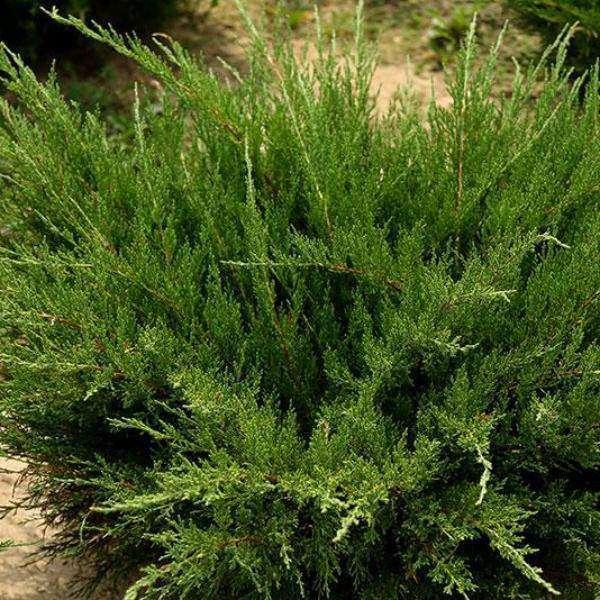
Juniperus × media ‘Sea Green’ is a reliable, low‑maintenance evergreen shrub prized for its rich sea‑green foliage and naturally arching, vase‑shaped habit. Dense, scale‑like sprays hold their color through winter, lending structure to foundations, borders, and slopes. Heat and drought tolerant once established, this selection thrives in full sun and well‑drained soils, offering year‑round texture with minimal care.
Tip: While the product is currently unavailable, these details help you plan future plantings or care for existing specimens.
Suggested Uses
Where this plant excels
Foundation plantings
Low hedge or massing
Erosion control on slopes
Coastal and urban landscapes
Wildlife cover (berries on female plants)
Winter containers (outdoor)
Xeriscape / low‑water gardens
Evergreen backdrop
Plant Details
Key characteristics
-
 Botanical NameJuniperus Sea Green Sold Out
-
 Common NameSea Green Juniper
-
 Size & GrowthMature size about 4–6 ft tall × 6–8 ft wide; naturally arching, mounded form
-
 Hardiness ZonesUSDA 4–9
-
 Foliage TypeEvergreen, scale‑like sprays; rich sea‑green year‑round
-
 Bloom TimeInconspicuous; pollen cones in spring; berry‑like cones on female plants ripen late summer to winter
-
 Growth RateModerate (typically 6–12 in per year under good conditions)
-
 Light RequirementsFull sun (6+ hours); tolerates light afternoon shade in hot climates
-
 Attracts PollinatorsLow; flowers are not showy—primarily provides shelter; birds may feed on berries
-
 Indoor FriendlyNot suitable for indoor growing; requires full sun and outdoor airflow
-
 Container FriendlyYes, in large outdoor containers with excellent drainage; best when young
-
 Deer ResistantGenerally resistant; deer typically avoid the aromatic foliage
-
 Pet WarningNot for consumption; berries and resinous foliage may cause mild GI upset if ingested; foliage can be prickly
-
 FragrantFoliage has a pleasant, resinous scent when brushed or pruned
-
 Cut FlowerNot a flowering cut; sprigs are excellent in winter and holiday arrangements
-
 Grows Well WithGrows Well With Lavender, Salvia, Sedum, Yarrow, Spirea, Barberry, Potentilla, Russian sage, Ornamental grasses (Festuca, Pennisetum), Dwarf pines
Care Tips
Planting and maintenance
-
 Planting InstructionsPlant in spring or early fall. Dig a hole 2–3× wider than the root ball and no deeper; set the top of the root ball level with surrounding soil. Tease or slice circling roots, backfill with native soil, water to settle, and mulch 2–3 in (keep mulch off the trunk).
-
 Soil MoistureKeep evenly moist the first growing season; then water deeply but infrequently. Allow the top 1–2 in of soil to dry between waterings. Drought tolerant when established.
-
 Soil TypeWell‑drained sandy or loamy soils are ideal; tolerates poor or slightly alkaline soils. Avoid sites with standing water.
-
 HumidityAdaptable to a wide humidity range; ensure good air circulation to reduce tip blight in humid climates. Avoid frequent overhead irrigation.
-
 Pruning InstructionsMinimal pruning needed. Shape lightly in late winter to early spring. Do not cut back into leafless, old wood. Remove dead or diseased tips as needed.
-
 Winter CareHardy through Zone 4. Mulch root zone for insulation. Water deeply before ground freeze. In exposed, windy sites, consider a burlap windbreak the first winter.
-
 Planting DepthSet the crown at grade; do not bury the trunk flare. Keep mulch 2–3 in away from stems.
-
 FertilizationLight feeder. In early spring, apply a slow‑release balanced fertilizer (e.g., 10‑10‑10) or compost if growth is weak. Avoid late‑season feeding.
-
 Special CareProvide full sun and spacing for airflow to reduce Phomopsis tip blight. Monitor for spider mites and bagworms; treat promptly. Tolerates salt and urban conditions; avoid soggy soils.