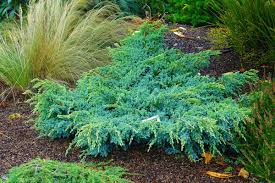


RedCrocus Juniperus 'Dream Joy' Live Plant - Compact Evergreen Juniper Shrub with Golden New Growth, Easy-Care Outdoor Landscape Accent 1 Quart Pot
RedCrocus Juniperus 'Dream Joy' Live Plant - Compact Evergreen Juniper Shrub with Golden New Growth, Easy-Care Outdoor Landscape Accent 1 Quart Pot
SKU:ber0785-redcrocus
Couldn't load pickup availability
Juniperus Dream Joy
Compact, evergreen juniper with luminous golden new growth that matures to rich green—durable color and texture all year.
Description
Juniperus Dream Joy is a tidy, mounded juniper prized for its bright golden flush of new growth that softens to a deep green through the season. The contrast adds dimension in borders and foundations, while the naturally compact habit stays neat with little to no shearing.
Tough, drought-tolerant once established, and reliably evergreen, Dream Joy excels in full sun, poor or rocky soils, and high-heat exposures. In winter, its dense branching provides structure and bird shelter, offering four-season interest with minimal maintenance.
Suggested Uses
- Foundation and front-of-border accent
- Mixed conifer beds
- Rock gardens and slopes
- Mass planting / low hedge
- Containers (large, well-drained)
- Xeriscape and coastal sites
- Erosion control on banks
- Year-round structure and color
Plant Details
-
 Botanical NameJuniperus Dream Joy
-
 Common NameJuniperus Dream Joy
-
 Size & GrowthCompact, rounded-spreading shrub; typically 2–3 ft tall and 3–5 ft wide; dense branching holds form without frequent pruning.
-
 Hardiness ZonesUSDA Zones 4–9; heat and cold tolerant once established.
-
 Foliage TypeEvergreen conifer; fine, awl/scale-like texture. New growth emerges golden-yellow, maturing to rich green for year-round color.
-
 Bloom TimeInconspicuous; wind-pollinated cones rather than showy flowers (ornamental value is in foliage and form).
-
 Growth RateModerate; commonly 4–8 inches of extension growth per year under good conditions.
-
 Light RequirementsFull sun (6+ hours). Tolerates light afternoon shade, but brightest color in full sun.
-
 Attracts PollinatorsLow; junipers are wind-pollinated. Provides shelter and seasonal cones for birds and beneficial wildlife.
-
 Indoor FriendlyNot recommended for long-term indoor growing; requires abundant sun and winter chill outdoors.
-
 Container FriendlyYes—thrives in large, well-drained containers; choose a pot with ample drainage and a gritty mix.
-
 Deer ResistantYes; aromatic foliage is typically avoided by deer and rabbits.
-
 Pet WarningGenerally considered non-toxic; ingestion of foliage/berries may cause mild digestive upset. Spiny foliage can irritate. Supervise pets.
-
 FragrantSubtly resinous fragrance when foliage is brushed or crushed.
-
 Cut FlowerExcellent as long-lasting evergreen filler for winter arrangements and wreaths.
-
 Grows Well WithGrows Well With Lavender, Salvia, Nepeta, Sedum, Santolina, ornamental grasses (Festuca, Pennisetum), Spiraea, Barberry, dwarf spruces, and other sun-loving, dry-tolerant plants.
Care Tips
-
 Planting InstructionsPlant in spring or early fall. Dig a hole 2–3× the width of the root ball, same depth. Loosen/tease circling roots, set crown level with or slightly above soil line, backfill with native soil, water to settle, and mulch 2–3 in (keep mulch off stems). Space 3–5 ft apart based on mature width.
-
 Soil MoistureKeep evenly moist the first growing season; then water deeply but infrequently. Allow the top 1–2 in of soil to dry between waterings. Avoid standing water or chronically wet sites.
-
 Soil TypeWell-drained sandy or loamy soils are ideal. Tolerates poor or rocky soils. For heavy clay, amend to improve drainage or plant on a berm. pH slightly acidic to neutral (tolerates mildly alkaline).
-
 HumidityPrefers low to average humidity with good air circulation. Avoid frequent overhead watering late in the day.
-
 Pruning InstructionsMinimal pruning needed. Lightly shear or tip-prune after the spring flush to refine shape. Do not cut into old, leafless wood. Remove dead or crossing branches at their origin.
-
 Winter CareHardy in Zones 4–9. Mulch the root zone before hard freezes. Water deeply in late fall if dry. In exposed, windy sites, consider a burlap windbreak the first winter. Avoid de-icing salt splash when possible.
-
 Planting DepthSet the top of the root ball level with or 0.5–1 in above the surrounding soil to encourage drainage; ensure the root flare is visible and not buried.
-
 FertilizationLight feeder. In early spring, apply a slow-release, balanced conifer fertilizer at label rates if growth/color is weak. Do not fertilize after midsummer in cold climates.
-
 Special CareEnsure excellent drainage to prevent root rot. Monitor for spider mites in hot, dry spells; rinse foliage or treat if needed. Heat-, drought-, and urban-tolerant once established; suitable for coastal exposure with some salt tolerance.