

RedCrocus Pinus Tanyosho Standard Topiary, Japanese Red Pine – Grafted Live Evergreen for Full Sun, Cold Hardy Zones 4–7, Landscape Specimen Tree 10 Gallon Nursery Pot
RedCrocus Pinus Tanyosho Standard Topiary, Japanese Red Pine – Grafted Live Evergreen for Full Sun, Cold Hardy Zones 4–7, Landscape Specimen Tree 10 Gallon Nursery Pot
SKU:ber054c-redcrocus
Couldn't load pickup availability
Pinus Tanyosho Standard Topiary
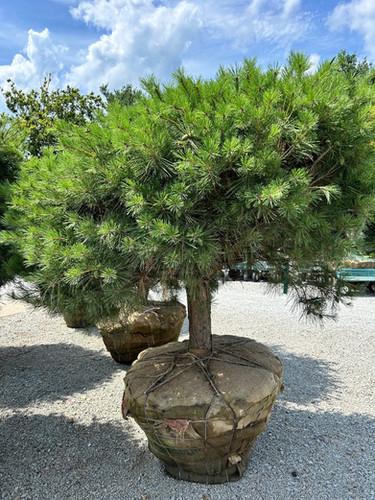
A sculptural, top‑grafted form of Japanese Red Pine prized for its umbrella-like canopy, glowing red-orange bark, and year‑round structure. This living centerpiece blends modern elegance with traditional Japanese garden character.
Description
The Pinus Tanyosho Standard Topiary is a carefully trained, grafted form of Japanese Red Pine that carries a rounded, cloud‑like head atop a clean, straight trunk. Evergreen needles form dense, textural tufts that hold rich green color through the seasons, while the distinctive reddish bark adds warm contrast in winter. Slow to moderate growth and naturally tidy branching make it an excellent choice for statement plantings, refined courtyards, and container displays. Unlike flowering ornamentals, this conifer offers quiet, architectural beauty 365 days a year with very modest maintenance needs.
Plant Details
-
 Botanical NamePinus Tanyosho Standard Topiary
-
 Common NamePinus Tanyosho (Japanese Red Pine, top‑grafted form)
-
 Size & GrowthHead typically 3–5 ft wide in 8–10 yrs; ultimate head 6–8+ ft. Overall height = graft height + head (often 6–12+ ft over time). Slow–moderate growth.
-
 Hardiness ZonesUSDA Zones 4–7 (cold hardy; heat tolerant in cooler summer climates)
-
 Foliage TypeEvergreen conifer; two‑needled bundles, 3–5 in long, rich green; may bronze slightly in cold/wind
-
 Bloom TimeInconspicuous pollen and seed cones in late spring; not grown for flowers
-
 Growth RateSlow to moderate (typically 4–10 in per year with good conditions)
-
 Light RequirementsFull sun for best density and color (6+ hrs/day); tolerates very light afternoon shade
-
 Attracts PollinatorsLow; wind‑pollinated conifer (occasional wildlife value for shelter/seed)
-
 Indoor FriendlyNot suitable; requires full sun and outdoor winter dormancy
-
 Container FriendlyExcellent in large, well‑drained containers; protect roots from extreme freeze/thaw
-
 Deer ResistantGenerally deer resistant; light browsing possible on tender candles
-
 Pet WarningNon‑toxic to cats/dogs; ingestion of needles/cones may cause mild GI upset—discourage chewing
-
 FragrantLight, resinous pine scent—most noticeable in warm weather or when brushed
-
 Cut FlowerNot a cut flower; boughs can be clipped for winter arrangements
-
 Grows Well WithGrows Well With Japanese maples, azaleas/rhododendrons, dwarf conifers (Juniperus, Picea), heaths/heathers, sedums, ornamental grasses, Heuchera
Typical characteristics for this top‑grafted Tanyosho form; ultimate size varies by graft height, site, and training.
Care Tips
-
 Planting InstructionsSite in full sun with excellent drainage. Plant at the same depth as in the pot; keep the graft union and trunk flare above soil. Stake in windy sites for the first season.
-
 Soil MoistureKeep evenly moist but never soggy the first year; water deeply, then allow the top 1–2 in of soil to dry. Becomes moderately drought tolerant once established.
-
 Soil TypePrefers well‑drained sandy or loamy soils; slightly acidic to neutral (pH 5.5–7.0). In heavy clay, raise the planting area and amend with grit and composted bark.
-
 HumidityTolerates average outdoor humidity; provide good air flow. Handles light coastal exposure and some salt spray.
-
 Pruning Instructions
 Minimal pruning. In late spring, pinch back new “candles” by 1/3–1/2 to maintain shape and density. Remove dead/diseased wood anytime; avoid cutting into old wood without buds. Keep trunk clear.
-
 Winter CareMulch 2–3 in to buffer roots (keep off trunk). Container plants: insulate pots or move to a sheltered spot to reduce freeze/thaw. Water during winter thaws if very dry.
-
 Planting DepthSet the root flare at or just above grade (0.5 in high in heavy soils). Do not bury the graft union. Backfill firmly and water to settle soil.
-
 FertilizationLight feeder. Apply a slow‑release, balanced, acid‑forming conifer fertilizer in early spring. Avoid high‑nitrogen feeds after midsummer.
-
 Special CareRotate containers a few times each season for even sun. Check and loosen ties around the graft/trunk annually. Monitor for pine sawfly, scale, or needle cast; ensure excellent drainage.
Care guidance reflects best practices for top‑grafted Japanese Red Pine forms; adjust watering and pruning to your local climate and growth response.