

RedCrocus Picea abies 'Gold Drift' Live Plant – Golden Weeping Norway Spruce, Ornamental Evergreen Conifer for Landscapes 7 Gallon Nursery Pot
RedCrocus Picea abies 'Gold Drift' Live Plant – Golden Weeping Norway Spruce, Ornamental Evergreen Conifer for Landscapes 7 Gallon Nursery Pot
Regular price
$900.00 USD
Regular price
$1,170.00 USD
Sale price
$900.00 USD
Unit price
per
Shipping calculated at checkout.
SKU:ber048d-redcrocus
Couldn't load pickup availability
Picea Abies 'gold Drift'
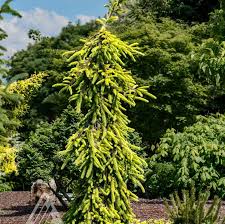
Golden, cascading Norway spruce with luminous new growth and elegant, weeping architecture.
 Full Sun
 USDA 3–7
 Moderate growth
 Container friendly (young)
Description
Picea abies ‘Gold Drift’ is a golden, weeping selection of Norway spruce prized for brilliant sunny-yellow spring flushes that mellow to chartreuse and green as the season progresses. Its branches naturally cascade and trail, creating a waterfall silhouette that can be trained by staking the leader to a desired height and then allowing side branches to drape. Color is most intense in full sun with good air movement; in hotter regions, light afternoon shade helps prevent needle scorch. Tough, cold-hardy, and low-maintenance once established, ‘Gold Drift’ makes a striking focal point in rock gardens, conifer collections, and modern landscapes alike.Suggested Uses
- Focal specimen in rock or gravel gardens where cascading form is highlighted- Accent near entries, patios, or water features for year-round structure and color
- Elevated on berms or retaining walls to showcase the drape
- Mixed conifer borders with contrasting blue, silver, or dark foliage
- Large containers (while young) for terraces and contemporary designs
- Four-season interest with golden spring flush and elegant evergreen texture
Plant Details

Botanical NamePicea Abies 'gold Drift

Common NamePicea Abies 'gold Drift

Size & GrowthTypically 6–10 ft tall and 3–5 ft wide in 10 years when staked; ultimate size varies with training. Naturally weeping, cascading habit.
Hardiness ZonesUSDA 3–7 (very cold hardy; heat tolerant to warm-summer climates with adequate moisture).

Foliage TypeEvergreen needles; brilliant golden-yellow new growth, aging to chartreuse/green by late season.

Bloom TimeNot applicable (conifer). Pollen shed in spring; produces cones rather than showy flowers.
Growth RateModerate, about 6–12 in (15–30 cm) per year with good conditions and training.
Light RequirementsFull sun for best gold color; provide light afternoon shade in hot-summer regions to reduce scorch.

Attracts PollinatorsLow; wind-pollinated conifer and not a significant nectar/pollen resource for insects.

Indoor FriendlyNo; intended for outdoor landscapes. Not suitable as a long-term houseplant.
Container FriendlyYes when young in a large, well-drained container; best long-term performance in the ground.

Deer ResistantGenerally deer resistant; occasional browsing of tender tips may occur in scarce forage periods.

Pet WarningNon-toxic to cats and dogs; sharp needles may cause mild GI upset if ingested. Sticky sap can irritate sensitive skin.

FragrantLight, resinous scent when needles are crushed; not notably fragrant in the landscape.

Cut FlowerNot used as a cut flower; cut boughs and cones are suitable for winter arrangements and decor.

Grows Well WithBlue fescue (Festuca), dark-leaved Heuchera, dwarf conifers (Pinus mugo, Thuja), Japanese forest grass (Hakonechloa), creeping thyme, and purple-leaved shrubs (Berberis).
Care Tips

Planting InstructionsPlant at the same depth as in its container with the root flare level to slightly above grade. Backfill with native soil amended only as needed for drainage. Water thoroughly to settle. Stake a central leader to the desired height, then allow branches to cascade naturally.

Soil MoistureKeep evenly moist for the first 1–2 growing seasons. Once established, tolerates short dry spells but performs best with consistent moisture; avoid waterlogging.

Soil TypeWell-drained loam or sandy loam; slightly acidic to neutral (pH 5.5–7.0). Improve drainage on heavy clay or plant on a berm.

HumidityAdapts to average humidity. Ensure good air movement in hot, humid summers to reduce stress and mite pressure.

Pruning InstructionsMinimal pruning. In late winter to early spring, remove dead or crossing twigs and lightly shorten wayward shoots to refine the silhouette. Maintain or adjust the stake/ties as the leader elongates.

Winter CareVery cold hardy. Mulch 2–3 in (5–7.5 cm) over the root zone (keep off trunk). In exposed sites, shield young plants from desiccating wind/sun the first winter; water during midwinter thaws if soil is dry and unfrozen.

Planting DepthSet the top of the root ball level with surrounding soil; do not bury the trunk flare. Avoid piling soil or mulch against the stem.

FertilizationIn early spring, apply a light dose of slow-release, balanced fertilizer formulated for evergreens if growth or color is weak. Do not overfertilize; good drainage and sunlight drive color best.

Special CareTraining defines form: stake to height early, then allow natural drape. Monitor for spruce spider mites and aphids; rinse foliage periodically and treat promptly if detected. Avoid reflective heat and ensure excellent drainage to prevent root stress.