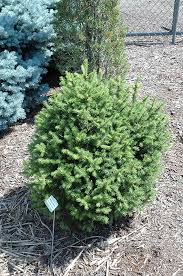


RedCrocus Sherwood Compact Norway Spruce Live Plant - Picea abies 'Sherwood Compact' Dwarf Evergreen Conifer, Cold Hardy, Low Maintenance, Full Sun, Zones 3-7 6 Gallon Nursery Pot
RedCrocus Sherwood Compact Norway Spruce Live Plant - Picea abies 'Sherwood Compact' Dwarf Evergreen Conifer, Cold Hardy, Low Maintenance, Full Sun, Zones 3-7 6 Gallon Nursery Pot
Regular price
$900.00 USD
Regular price
$1,170.00 USD
Sale price
$900.00 USD
Unit price
per
Shipping calculated at checkout.
SKU:ber01f1-redcrocus
Couldn't load pickup availability
Picea abies ‘Sherwood Compact’
Sherwood Compact Norway Spruce — dense, dwarf evergreen conifer for year‑round structure
Evergreen Conifer
Dwarf/Compact Habit
Zones 3–7
Full Sun to Light Shade
Description
Picea abies ‘Sherwood Compact’ is a refined dwarf selection of Norway spruce prized for its naturally tight, rounded to broadly conical habit and rich, deep‑green needles. New growth emerges soft and fresh in late spring, then matures to a dense, textural canopy that holds color beautifully through winter. With its slow, predictable growth, this cultivar is ideal where year‑round structure, low maintenance, and dependable hardiness are required. It’s equally at home as a specimen in small gardens, in foundation plantings, or as a long‑lived container accent on patios in cooler climates.
Suggested Uses
 Containers & patios (cool climates)
 Rock & alpine gardens
 Deer‑resistant evergreen structure
 With dwarf conifers, heaths & heathers
 Foundation plantings; year‑round interest
Plant Details
-
 Botanical NamePicea abies ‘Sherwood Compact’
-
 Common NameSherwood Compact Norway Spruce (Picea abies ‘Sherwood Compact’)
-
Size & GrowthDwarf, slow growing: about 2–4 in (5–10 cm) per year. Typically 3–5 ft tall and wide in 10 years; may mature to 6–8 ft tall and 4–6 ft wide over many decades.
-
 Hardiness ZonesUSDA Zones 3–7 (very cold hardy; protect from extreme winter wind when newly planted).
-
 Foliage TypeEvergreen conifer; short, stiff, deep‑green needles create a dense, finely textured canopy year‑round.
-
 Bloom TimeNot a flowering plant; produces inconspicuous pollen cones in spring (wind‑pollinated), occasional small seed cones with age.
-
 Growth RateSlow and compact; maintains a naturally tidy form with minimal or no pruning.
-
Light RequirementsFull sun for best density and symmetry; tolerates light afternoon shade in hot summers.
-
 Attracts PollinatorsNo—wind‑pollinated; provides shelter and nesting sites for birds and beneficial wildlife rather than nectar/pollen resources.
-
 Indoor FriendlyNot suitable as a houseplant; keep outdoors. Can be displayed briefly indoors in a cool, bright spot, then returned outside.
-
Container FriendlyYes—excellent dwarf for containers in cool/temperate climates; ensure sharp drainage and winter root protection in cold zones.
-
Deer ResistantGenerally deer resistant; occasional exploratory browsing may occur but seldom severe.
-
 Pet WarningNon‑toxic; sharp needles can irritate mouths and may cause mild GI upset if chewed. Keep fallen needles away from curious pets.
-
 FragrantNot notably fragrant; foliage/resin give a pleasant evergreen aroma when warmed or crushed.
-
 Cut FlowerNo—grown for foliage and form. Small sprigs can be used as greenery in winter arrangements if desired.
-
Grows Well WithGrows Well With Dwarf conifers (Pinus mugo ‘Mops’, Juniperus), heaths & heathers (Erica, Calluna), Helleborus, Heuchera, sedums, ornamental grasses, and spring bulbs in well‑drained, slightly acidic soils.
Care Tips
-
 Planting InstructionsPlant in spring or early fall. Dig a hole 2–3× wider than the root ball and no deeper. Set with the root flare at or slightly above grade, backfill with native soil, water deeply, and mulch 2–3 in, keeping mulch off the trunk.
-
 Soil MoistureKeep evenly moist the first 1–2 growing seasons while establishing. Thereafter, water deeply but infrequently; avoid waterlogged conditions and prolonged drought.
-
 Soil TypeWell‑drained loam or sandy loam; slightly acidic to neutral (pH ~5.5–7.0). Amend heavy clay to improve drainage; avoid sites with standing water.
-
 HumidityAverage outdoor humidity is ideal. Ensure good air circulation; protect young plants from harsh, drying winter winds in exposed sites.
-
 Pruning InstructionsMinimal pruning needed. For extra tidiness, lightly pinch or shorten new “candles” by up to 1/2 in late spring. Remove dead or crossing wood in late winter; avoid cutting into old, bare wood.
-
 Winter CareHardy in Zones 3–7. Water deeply before the ground freezes, maintain 2–3 in of mulch, and consider a windbreak (burlap) for first winters on exposed sites. Container plants need root insulation or an unheated, sheltered location.
-
 Planting DepthSet so the top of the root ball is level with or 0.5–1 in above surrounding soil; never bury the trunk flare. Keep mulch a few inches away from the stem.
-
 FertilizationIn early spring, apply a slow‑release, balanced or conifer‑specific fertilizer at label rates if soil is lean, or top‑dress with compost. Avoid excessive nitrogen which can loosen the compact habit.
-
 Special CareMonitor for spruce spider mites (look for stippled needles); manage with strong water sprays or horticultural oil during cool seasons. Ensure sharp drainage in containers; repot every 2–3 years. Avoid heat‑reflective walls and road salt exposure.
Tip: For the densest form, provide full sun and consistent moisture during establishment. Mulch helps moderate soil temperature and conserve moisture.