

RedCrocus Golden Pothos Live Plant (Epipremnum aureum) – Variegated Devil’s Ivy, Easy Care Trailing Houseplant for Low to Bright Indirect Light, Ideal for Hanging Baskets or Shelves 8" Hanging Basket
RedCrocus Golden Pothos Live Plant (Epipremnum aureum) – Variegated Devil’s Ivy, Easy Care Trailing Houseplant for Low to Bright Indirect Light, Ideal for Hanging Baskets or Shelves 8" Hanging Basket
Regular price
$60.00 USD
Regular price
$78.00 USD
Sale price
$60.00 USD
Unit price
per
Shipping calculated at checkout.
SKU:ber0020-redcrocus
Couldn't load pickup availability
Pothos Golden
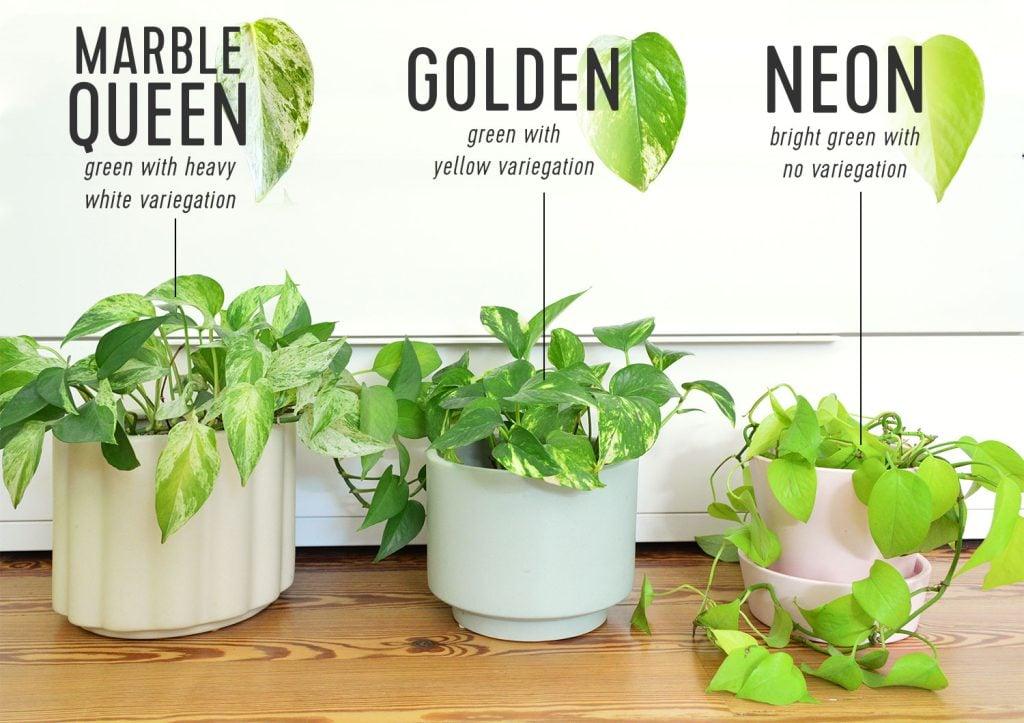
A resilient, trailing aroid known for its heart-shaped leaves splashed with golden-yellow variegation. Loved for its adaptability to a wide range of indoor conditions and its forgiving nature—perfect for beginners and pros alike.
Description
Golden Pothos is a classic indoor vine with glossy, evergreen foliage marbled in gold. It trails elegantly from shelves and hanging baskets or climbs when given a pole or trellis, producing larger, more fenestrated leaves over time. In homes and offices it tolerates lower light than many tropicals, though brighter, indirect light keeps the variegation vivid. It’s not grown for flowers—blooming is extremely rare in cultivation—but for easy, attractive foliage and reliable growth.
Suggested Uses
- Hanging baskets & macramé planters
- Bookshelf or mantle trailing accent
- Climbing on a moss pole or trellis
- Low-maintenance office plant
- Living walls and mixed tropical containers
- Airy foyer or bathroom (moderate humidity)
Plant Details
-
 Botanical NamePothos Golden (Epipremnum aureum ‘Golden’)
-
 Common NamePothos, Golden Pothos, Devil’s Ivy
-
 Size & GrowthTrails 6–10+ ft (1.8–3+ m) indoors; leaves typically 4–8 in (10–20 cm). Larger leaves when staked and allowed to climb.
-
 Hardiness ZonesUSDA 10–12 outdoors (frost-free). Commonly grown indoors in cooler regions.
-
 Foliage TypeEvergreen, variegated heart-shaped leaves with golden-yellow marbling.
-
 Bloom TimeRare in cultivation; not typically grown for flowers.
-
 Growth RateFast in bright, indirect light; moderate in lower light.
-
 Light RequirementsLow to bright indirect light; avoid harsh direct sun. Best variegation in medium–bright indirect light.
-
 Attracts PollinatorsNo—primarily a foliage plant; indoor plants do not attract pollinators.
-
 Indoor FriendlyYes—excellent houseplant tolerant of varied indoor conditions.
-
 Container FriendlyYes—thrives in pots, planters, and hanging baskets; easy to repot.
-
 Deer ResistantGenerally deer resistant (toxic and unpalatable if grown outdoors in warm zones).
-
 Pet WarningToxic to cats and dogs (calcium oxalate). May cause mouth irritation, drooling, vomiting—keep out of reach.
-
 FragrantNo—grown for foliage rather than fragrance.
-
 Cut FlowerNot a cut flower; vines can be used as long-lasting foliage in arrangements.
-
 Grows Well WithGrows Well With Heartleaf Philodendron, Monstera, Aglaonema, Peace Lily, ZZ Plant—other tropicals preferring similar light and humidity.
Care Tips
-
 Planting InstructionsUse a pot with drainage. Plant at the same depth as in the nursery pot; gently tease roots if circling. Provide a moss pole for climbing or allow to trail from a basket.
-
 Soil MoistureWater when the top 1–2 in (2.5–5 cm) of mix is dry. Soak thoroughly, then drain; avoid letting the plant sit in water. Reduce frequency in winter.
-
 Soil TypeWell-draining aroid mix: 2 parts peat/coco, 1 part perlite/pumice, 1 part orchid bark. pH slightly acidic to neutral (≈6.1–6.8).
-
 HumidityAverage home humidity is fine; prefers 40–60%+. Boost near heat seasons or in very dry rooms for larger, lusher leaves.
-
 Pruning InstructionsPinch tips to encourage branching and fullness. Trim leggy vines above a node; use cuttings to propagate in water or soil.
-
 Winter CareKeep above 60°F (16°C); protect from drafts and cold windows. Water less and avoid heavy fertilizing during low light months.
-
 Planting DepthSet crown at the soil surface—do not bury stems; keep leaf nodes you want to root just at or slightly above the mix.
-
 FertilizationFeed every 4–6 weeks in spring–summer with a balanced liquid fertilizer at 1/4–1/2 strength, or use a gentle slow-release. Pause in winter.
-
 Special CareRotate for even growth; wipe leaves to remove dust; provide a pole for larger leaves; watch for mealybugs/scale; repot every 1–2 yrs when rootbound.