

RedCrocus Speckled Alder Alnus rugosa- Deciduous Wetland Shrub, Wildlife & Erosion Control, Naturalized Landscape Plant 3 Gallon
RedCrocus Speckled Alder Alnus rugosa- Deciduous Wetland Shrub, Wildlife & Erosion Control, Naturalized Landscape Plant 3 Gallon
Regular price
$140.00 USD
Regular price
$182.00 USD
Sale price
$140.00 USD
Unit price
per
Shipping calculated at checkout.
SKU:nto9898-redcrocus
Couldn't load pickup availability
Speckled Alder, Hazel Alder Alnus rugosa
Description
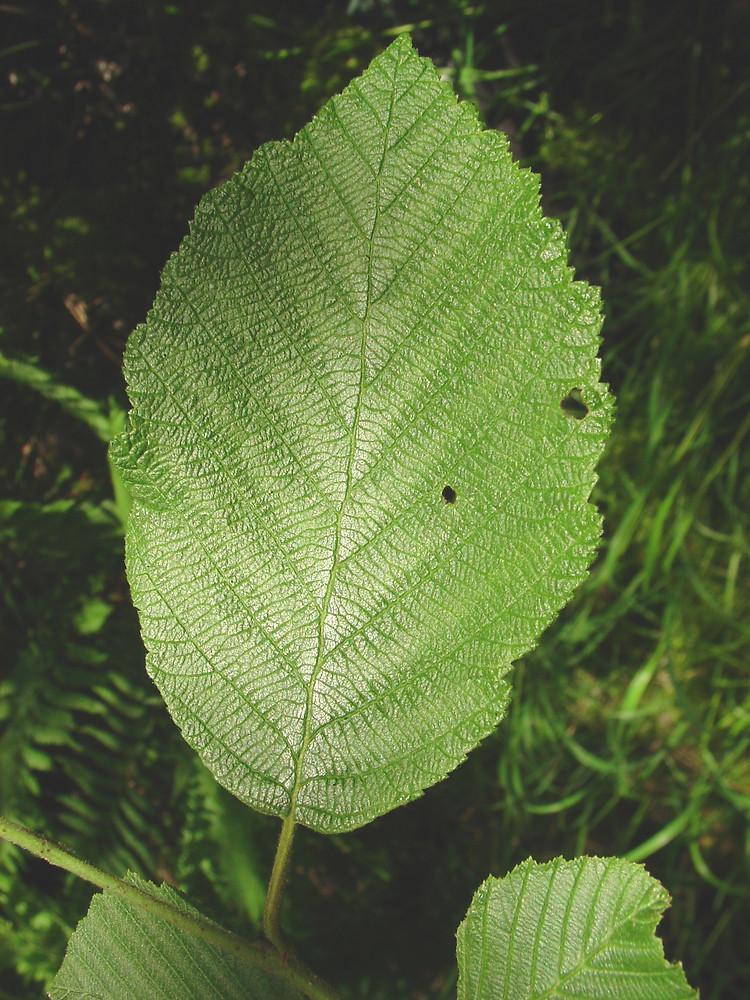
The Speckled Alder (Alnus rugosa) is a deciduous shrub or small tree characterized by its attractive speckled bark and serrated green foliage. It thrives in wetland areas and often grows along stream banks, providing both aesthetic appeal and ecological benefits.
Suggested Uses
Ideal for naturalized landscape gardens, pond edges, rain gardens, and erosion control projects. Its attractive foliage and adaptable nature make it suitable for wildlife gardens and scenic shoreline planting.
Plant Details
-
 Botanical Name: Speckled Alder, Hazel Alder Alnus rugosa
 -
 Common Name: Speckled Alder, Hazel Alder
 -
 Size & Growth: Typically reaches 6-10 ft (1.8-3 m) in height with a spreading habit, moderate to fast growth rate
 -
 Hardiness Zones: 3-7
 -
 Foliage Type: Deciduous, serrated green leaves with speckled bark
 -
 Bloom Time: Early spring (March-April)
 -
 Growth Rate: Moderate to fast
 -
 Light Requirements: Full sun to part shade
 -
 Attracts Pollinators: Yes
 -
 Indoor Friendly: No
 -
 Container Friendly: Yes, in large pots
 -
 Deer Resistant: Moderately
 -
 Pet Warning: Consult veterinarian before planting around pets
 -
 Fragrant: No
 -
 Cut Flower: Not typically used as cut flower
 -
 Grows Well With: Other wetland plants such as cattails and willows
Care Tips
-
 Planting Instructions: Prefers moist, water-saturated soils; plant in spring or fall
 -
 Soil Moisture: Constantly moist or wet
 -
 Soil Type: Loamy, sandy, or silty soils with high moisture
 -
 Humidity: Tolerant of high humidity environments
 -
 Pruning Instructions: Remove dead or damaged branches in late winter
 -
 Winter Care: Mulch roots in colder zones to prevent freeze damage
 -
 Planting Depth: Plant so the top of the root ball is level with soil surface
 -
 Fertilization: Apply balanced fertilizer in early spring
 -
 Special Care: Ensure consistent moisture; avoid drought stress