

RedCrocus Forest Pansy Eastern Redbud Cercis canadensis 'Forest Pansy'- Deciduous Small Tree for Gardens and Landscapes, Early Spring Blooms, Pollinator Attractant 3.5-4" cal B&B
RedCrocus Forest Pansy Eastern Redbud Cercis canadensis 'Forest Pansy'- Deciduous Small Tree for Gardens and Landscapes, Early Spring Blooms, Pollinator Attractant 3.5-4" cal B&B
Regular price
$3,264.00 USD
Regular price
$4,243.20 USD
Sale price
$3,264.00 USD
Unit price
per
Shipping calculated at checkout.
SKU:ntf6006-redcrocus
Couldn't load pickup availability
Forest Pansy' Eastern Redbud Cercis canadensis 'Forest Pansy' - Single Stem
Description
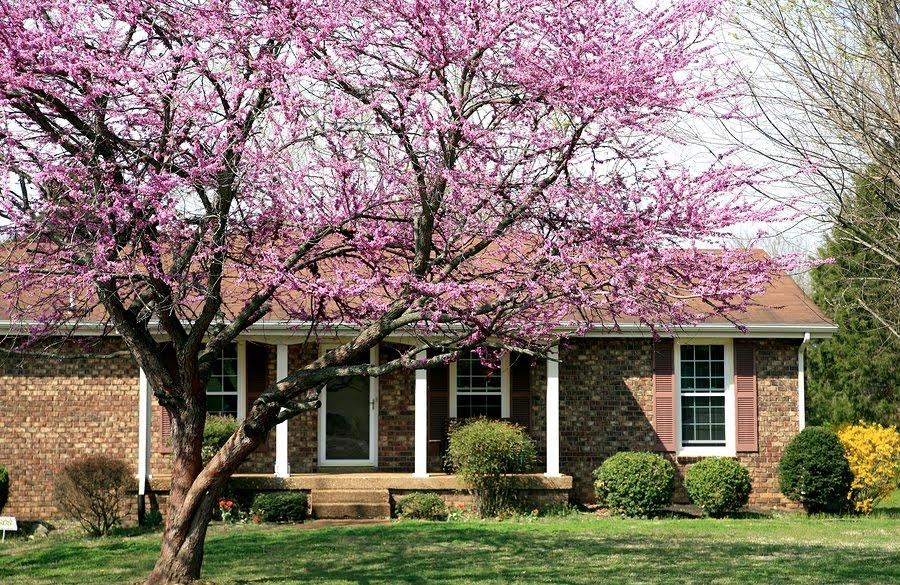
A deciduous small tree characterized by heart-shaped, deep purple foliage that turns vibrant shades of red and yellow in the fall. Produces clusters of pink-purple flowers in early spring before the leaves emerge, adding striking color to any landscape.
Suggested Uses
Ideal for residential gardens, urban landscapes, and as a focal point in small to medium-sized yards. Suitable for planting along pathways, in parks, or as part of a decorative border.
Plant Details
-
 Botanical Name: Cercis canadensis 'Forest Pansy'
 -
 Common Name: Forest Pansy Eastern Redbud
 -
 Size & Growth: Typically 20-30 ft tall and wide at maturity, with a rounded habit.
 -
 Hardiness Zones: 4-9
 -
 Foliage Type: Deciduous
 -
 Bloom Time: Early Spring
 -
 Growth Rate: Moderate
 -
 Light Requirements: Full Sun to Partial Shade
 -
 Attracts Pollinators: Yes
 -
 Indoor Friendly: No
 -
 Container Friendly: Yes with proper care
 -
 Deer Resistant: Moderate
 -
 Pet Warning: Toxic if ingested
 -
 Fragrant: No
 -
 Cut Flower: Yes, for early spring bouquets
 -
 Grows Well With: Japanese Maples, Forsythia, and other spring-blooming shrubs
Care Tips
-
 Planting Instructions: Plant in well-drained soil in a location with full sun to partial shade. Ensure ample space for growth.
 -
 Soil Moisture: Keep soil evenly moist; avoid waterlogging.
 -
 Soil Type: Adaptable to various soil types but prefers slightly acidic to neutral pH.
 -
 Humidity: Tolerant of average humidity levels.
 -
 Pruning Instructions: Remove dead or crossing branches in late winter or early spring to maintain shape.
 -
 Winter Care: Apply mulch to protect roots in colder zones; minimal winter protection necessary elsewhere.
 -
 Planting Depth: Plant at the same depth as in the nursery container.
 -
 Fertilization: Apply a balanced fertilizer in early spring and mid-summer for optimal growth.
 -
 Special Care: Avoid overwatering during dormancy and provide adequate airflow to prevent fungal issues.