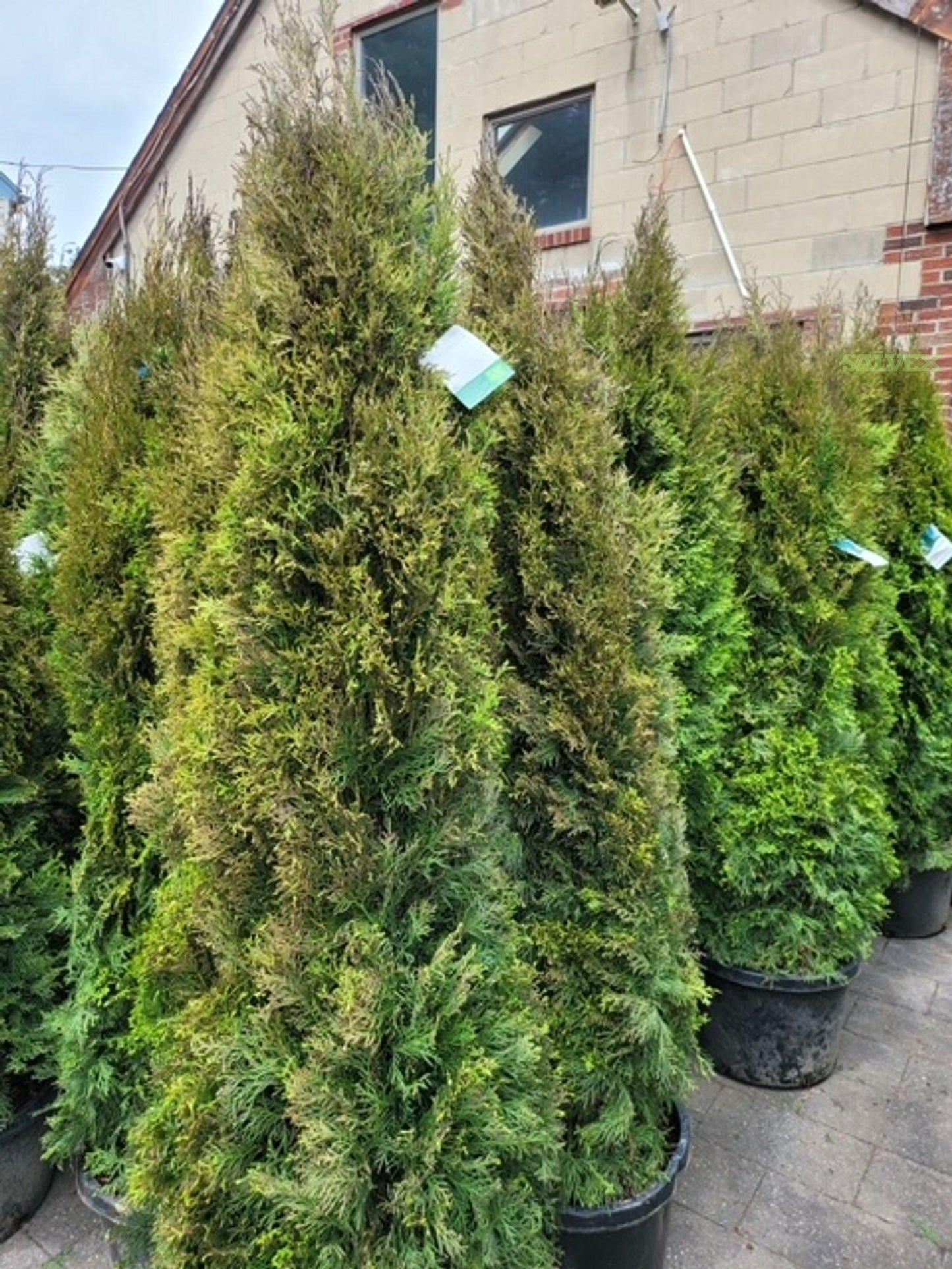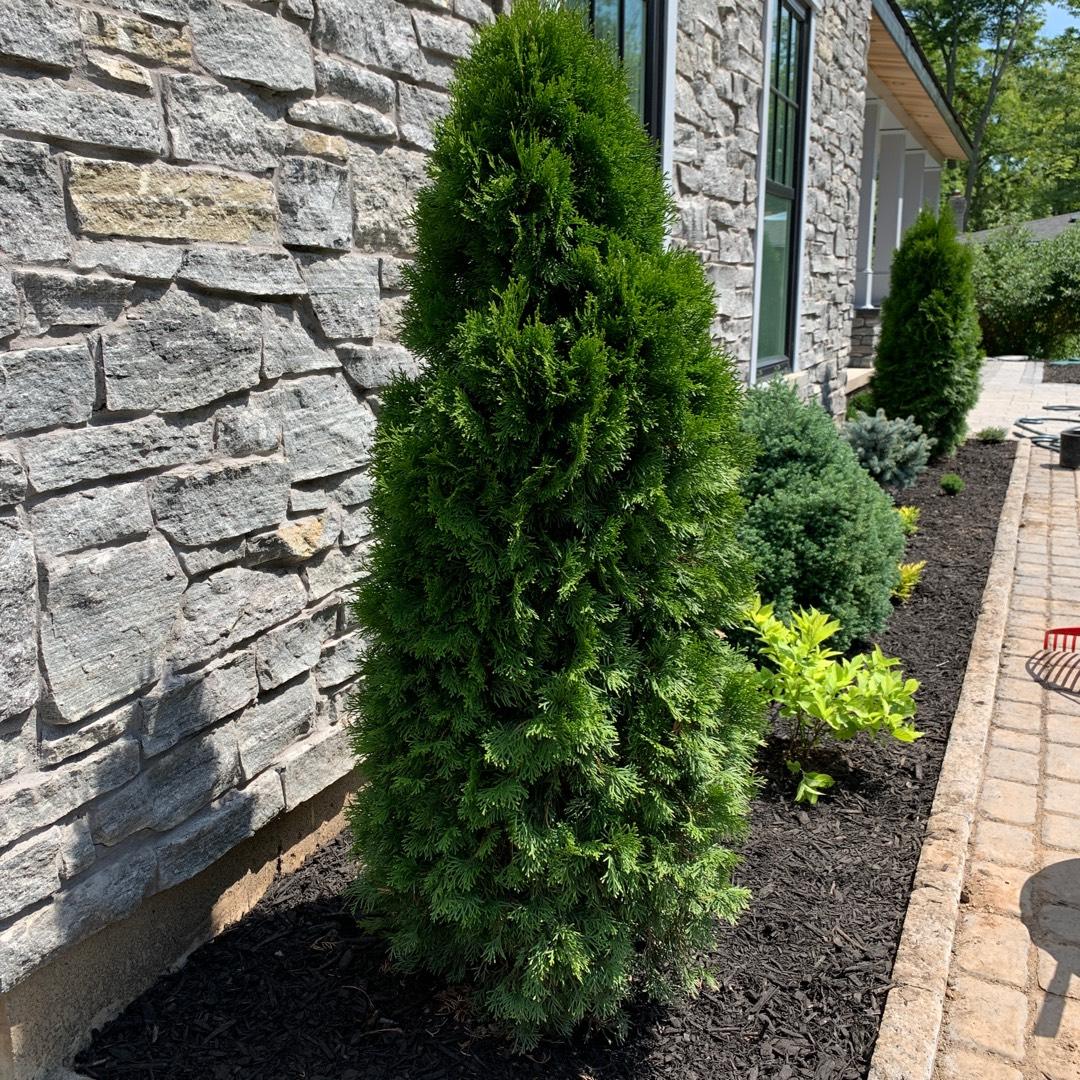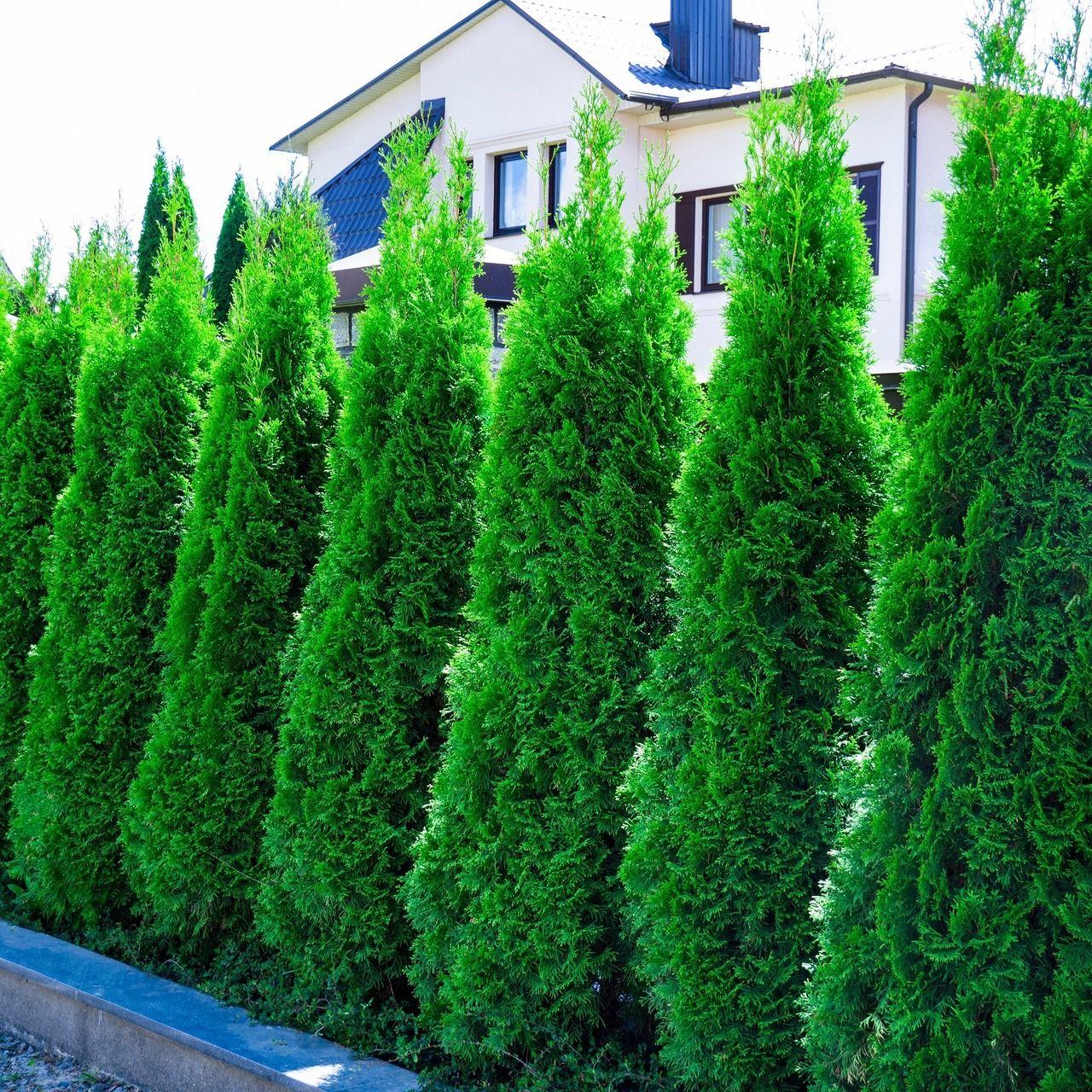


Emerald Green American Arborvitae Thuja occidentalis for Privacy Hedges, Landscaping, & Decor - Non-Toxic, Evergreen Foliage 6/7' h B&B
Emerald Green American Arborvitae Thuja occidentalis for Privacy Hedges, Landscaping, & Decor - Non-Toxic, Evergreen Foliage 6/7' h B&B
Regular price
$1,000.00 USD
Regular price
$1,300.00 USD
Sale price
$1,000.00 USD
Unit price
per
Shipping calculated at checkout.
SKU:nte0001-redcrocus
Couldn't load pickup availability
Emerald Green' American Arborvitae Thuja occidentalis 'Emerald Green'
Description
This compact evergreen features vibrant, emerald-green foliage, providing an excellent addition to hedges or foundation plantings. Its dense growth habit offers privacy screening and year-round color.
Suggested Uses
Ideal for privacy screens, hedges, foundation plantings, and decorative landscape features in both residential and commercial settings.
Plant Details
-
 Botanical Name: Emerald Green' American Arborvitae Thuja occidentalis 'Emerald Green'
 -
 Common Name: Emerald Green' American Arborvitae
 -
 Size & Growth: Typically reaches 6-10 ft in height with a width of 3-4 ft, with a slow to moderate growth rate.
 -
 Hardiness Zones: 3-7
 -
 Foliage Type: Evergreen, Dense foliage
 -
 Bloom Time: Typically does not produce showy flowers, but minor cone production may occur in spring
 -
 Growth Rate: Slow to moderate
 -
 Light Requirements: Full sun to partial shade
 -
 Attracts Pollinators: Yes
 -
 Indoor Friendly: No
 -
 Container Friendly: Yes, with adequate space and drainage
 -
 Deer Resistant: Yes
 -
 Pet Warning: Non-toxic but ingestion may cause discomfort
 -
 Fragrant: No
 -
 Cut Flower: No
 -
 Grows Well With: Other evergreen shrubs and perennials
Care Tips
-
 Planting Instructions: Plant in well-drained soil in full sun to partial shade. Space plants approximately 3-4 ft apart for hedges.
 -
 Soil Moisture: Keep evenly moist; avoid standing water
 -
 Soil Type: Adaptable but prefers slightly acidic, well-drained soil
 -
 Humidity: Tolerant of average humidity levels
 -
 Pruning Instructions: Prune during late winter or early spring to maintain shape
 -
 Winter Care: Protect young plants from harsh winds and extreme cold; mulch base for insulation
 -
 Planting Depth: Plant so the root ball is level with soil surface
 -
 Fertilization: Feed with a balanced fertilizer in early spring and mid-summer
 -
 Special Care: Minimal; monitor for pests such as bagworms or spider mites